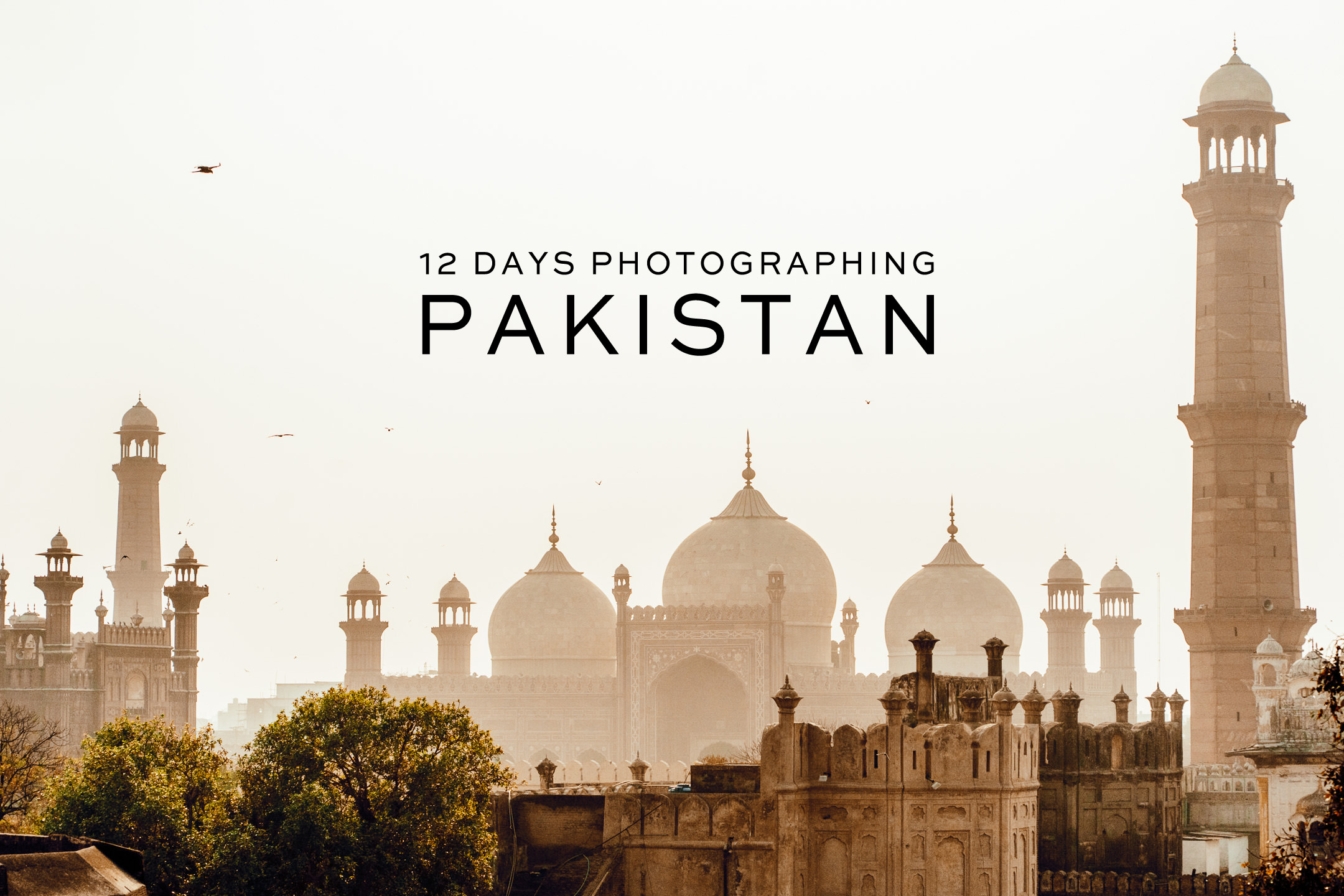
“Why the f*** would you go to Pakistan?” a family friend asked me in disbelief a week before we left. Earlier that same day, a bomb had killed 31 people in Islamabad – the first of the three cities we would visit during our 12-day trip.
I look back on this conversation and think how glad I am that we didn’t let fear stop us. I wanted to find my own story of a country and culture so often misunderstood. Undeniably too was the pull of adventure, the chance to trace our own footsteps along a truly unbeaten path.
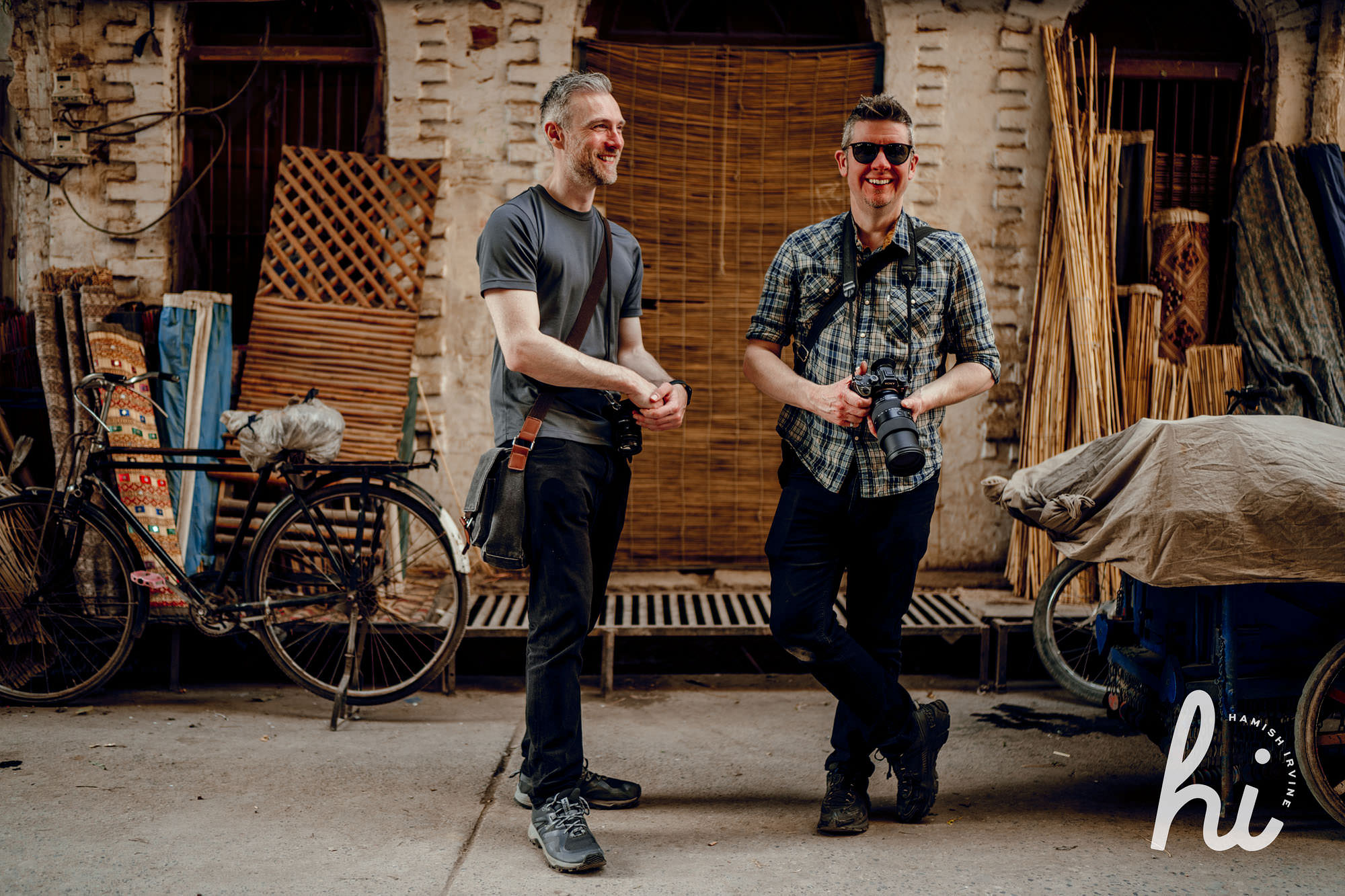
Weighing up the decision and staying positive, myself and my two fellow wedding photographers and exceptionally talented friends, Kristian Leven and Barnaby Aldrick, put headlines to the side and travelled to understand Pakistan for ourselves.
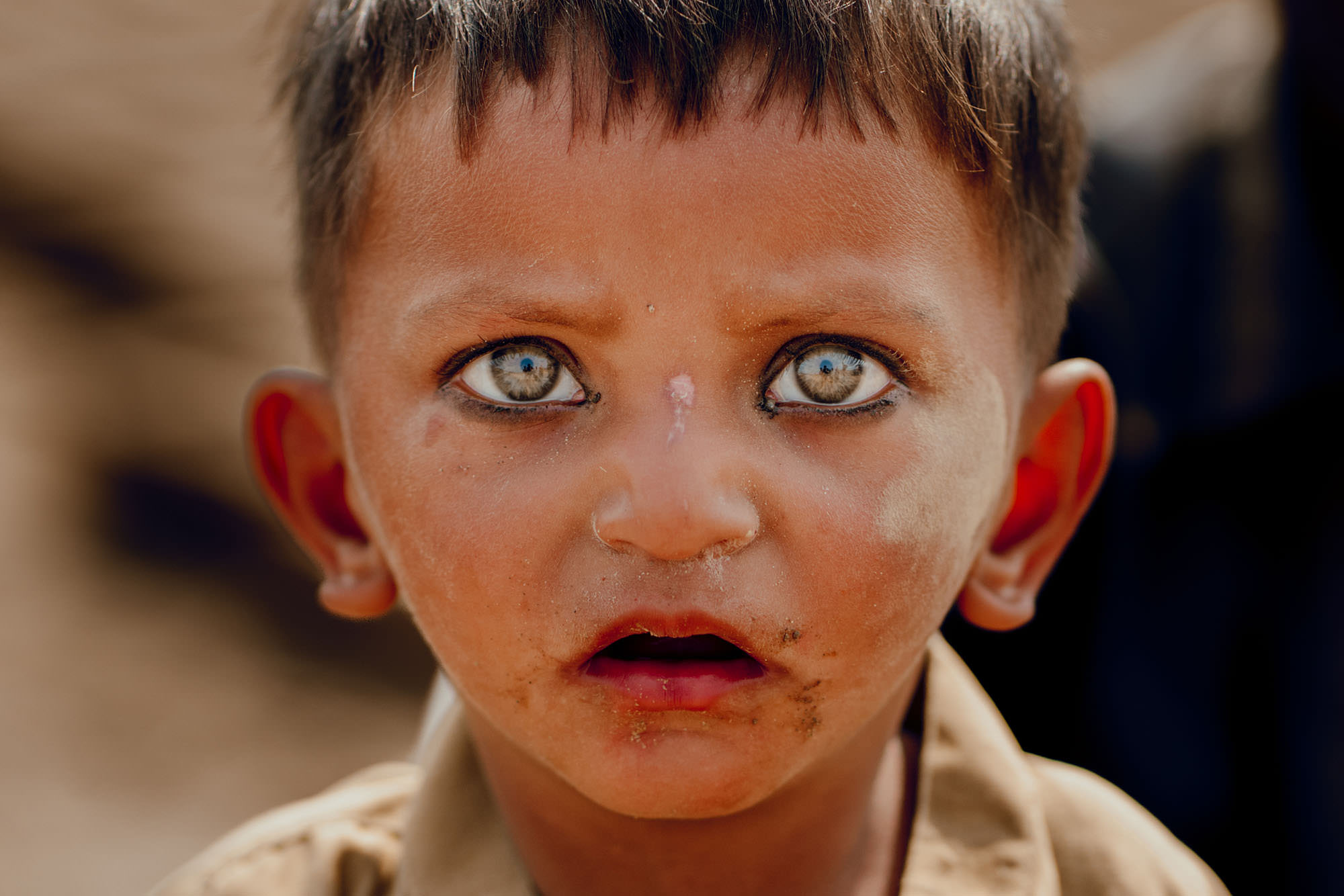
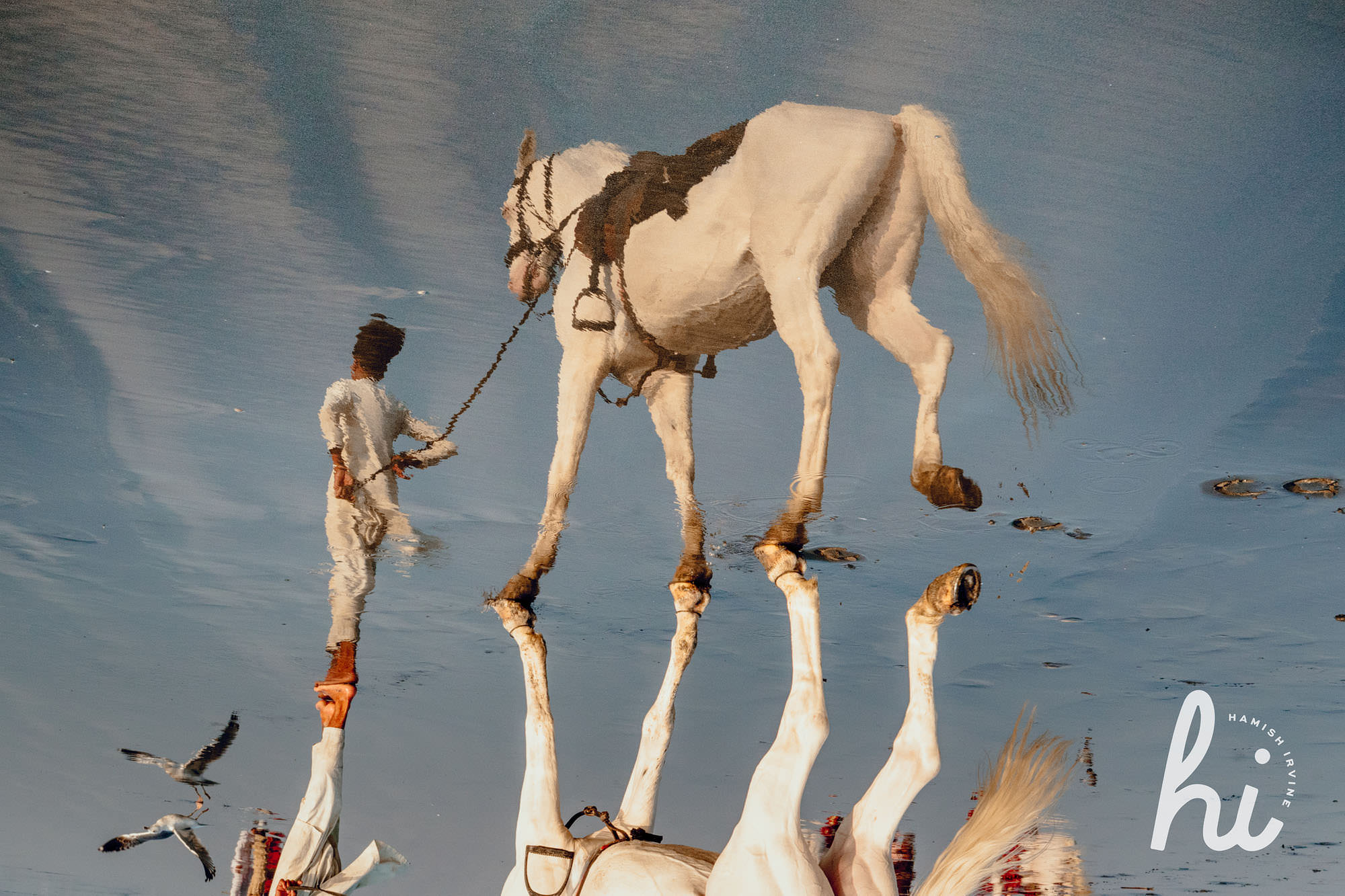
Why do street photography in Pakistan?
The camera can open the door to conversations with strangers that lead to unforgettable experiences, or it can be something to hide behind and observe the world unfolding in front of you. Photographing in Pakistan was a beautiful example of how this art can bring you closer to people you’d never have met otherwise.
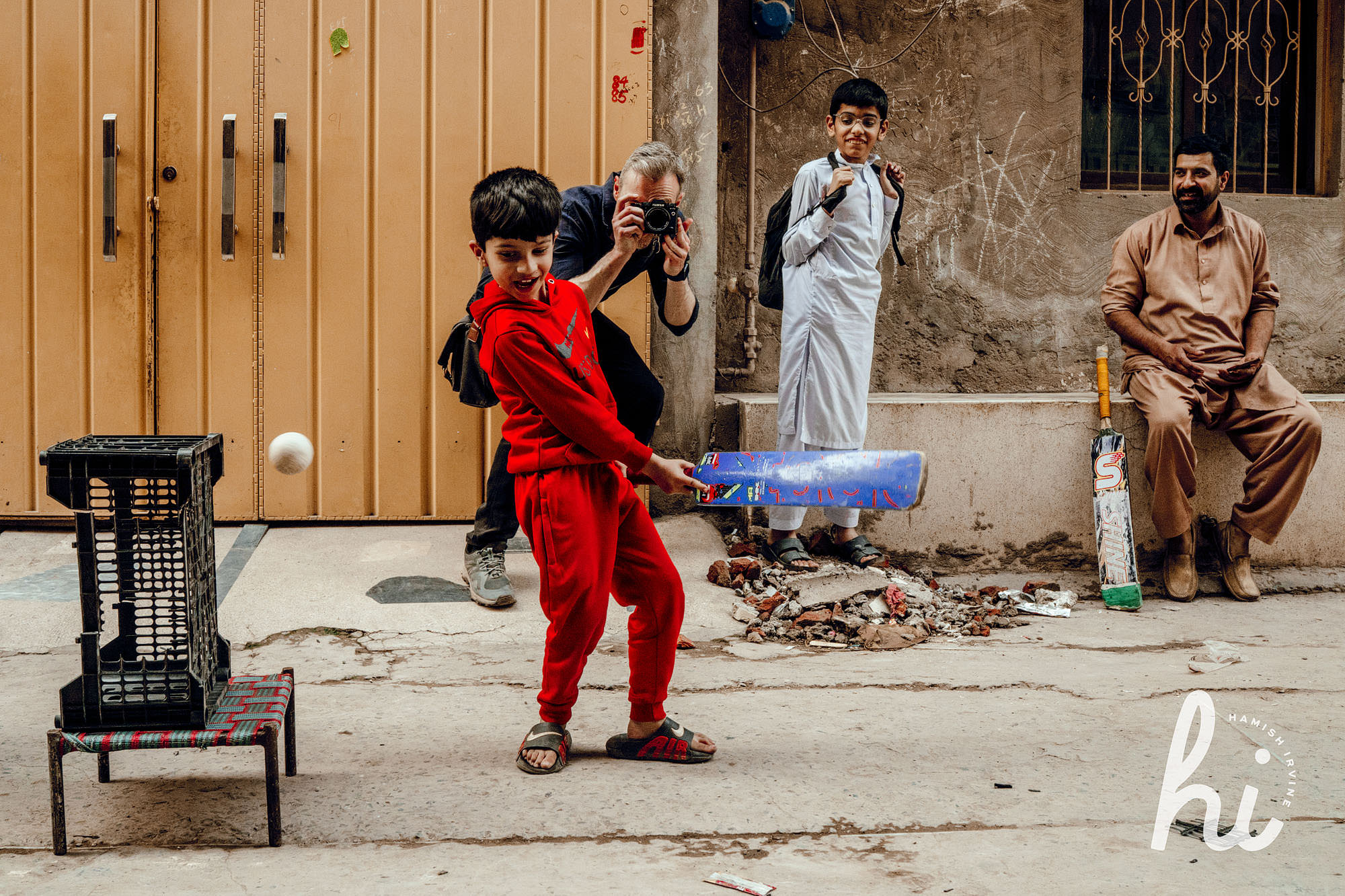
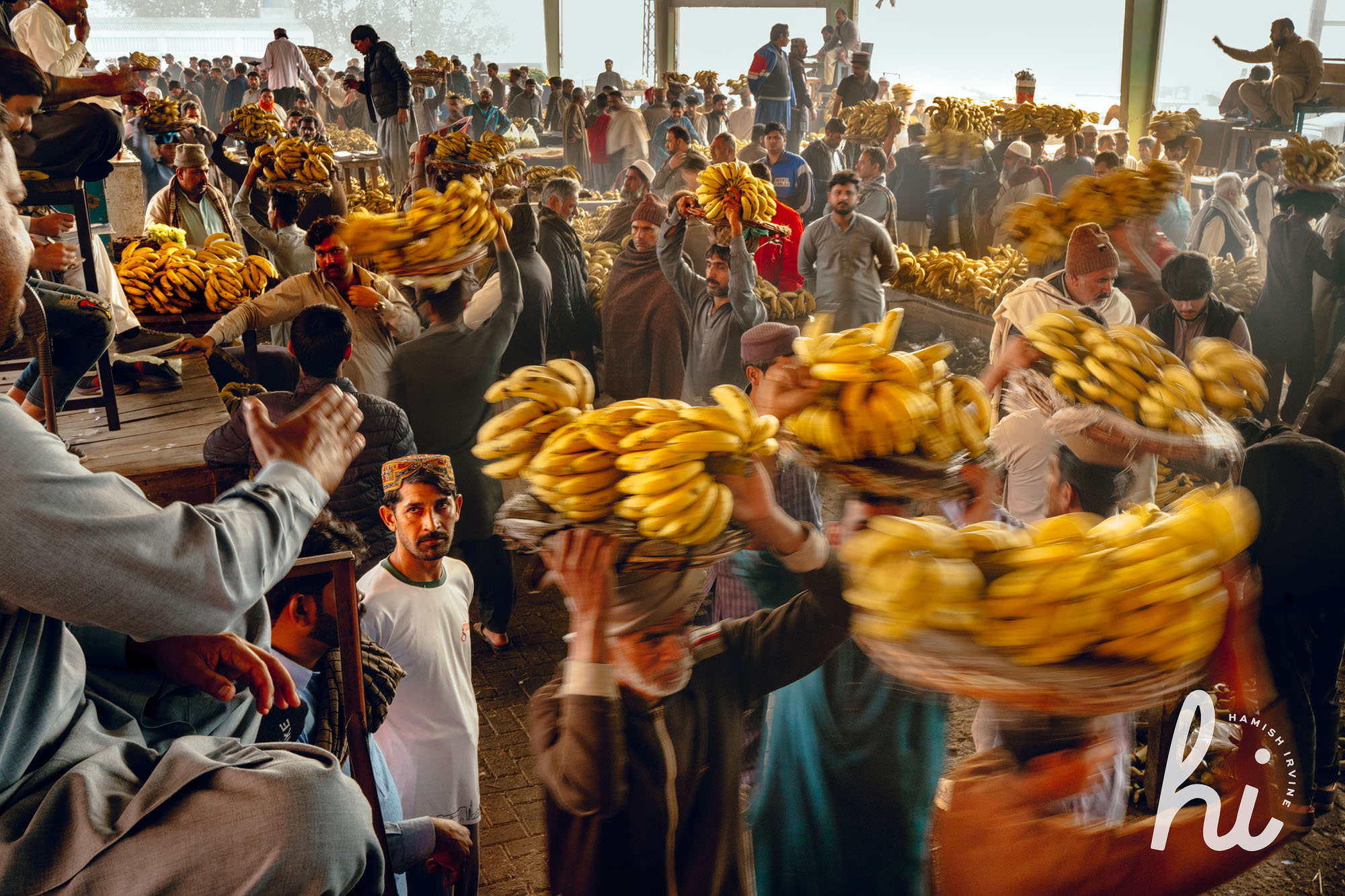
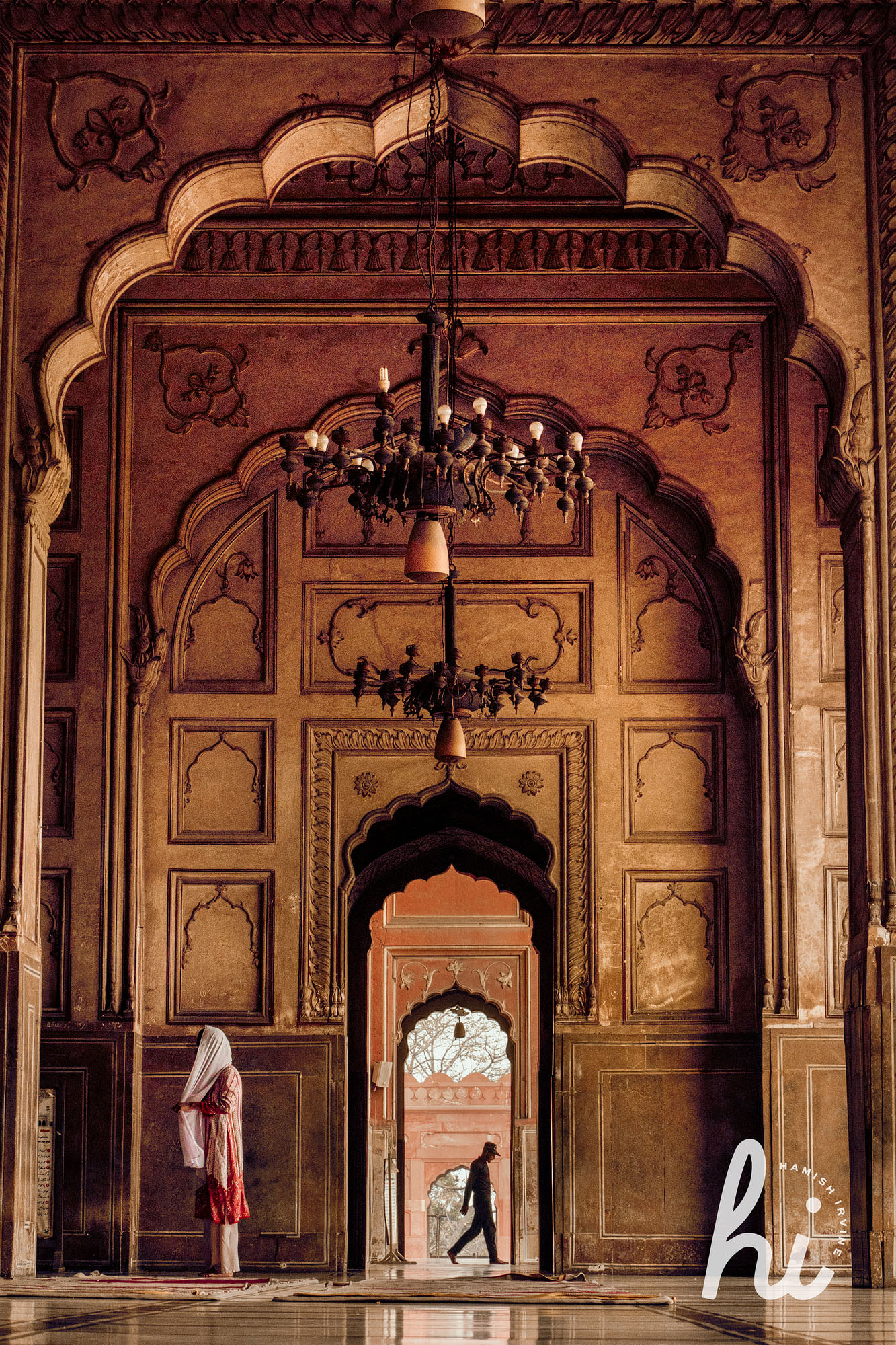
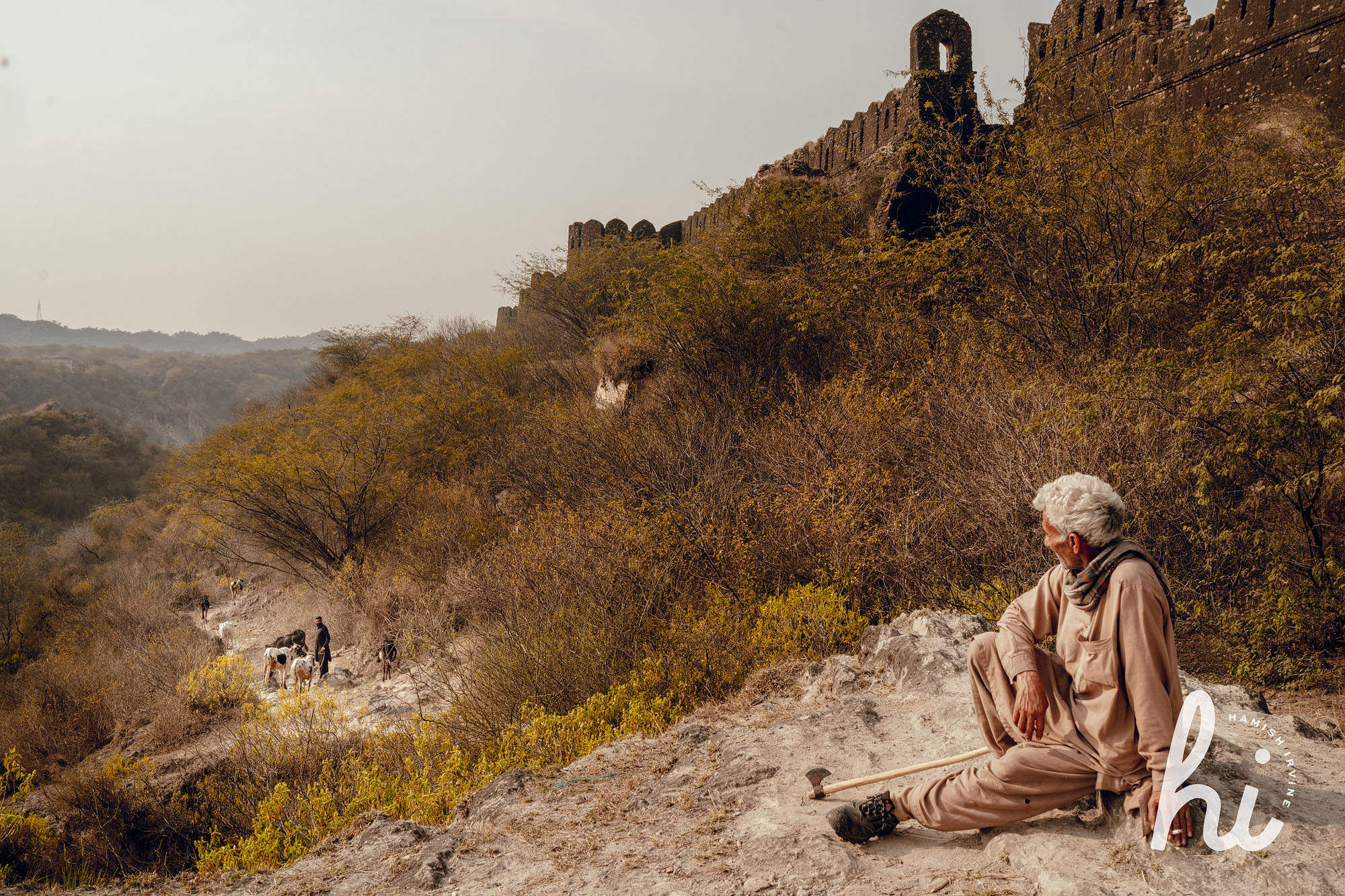
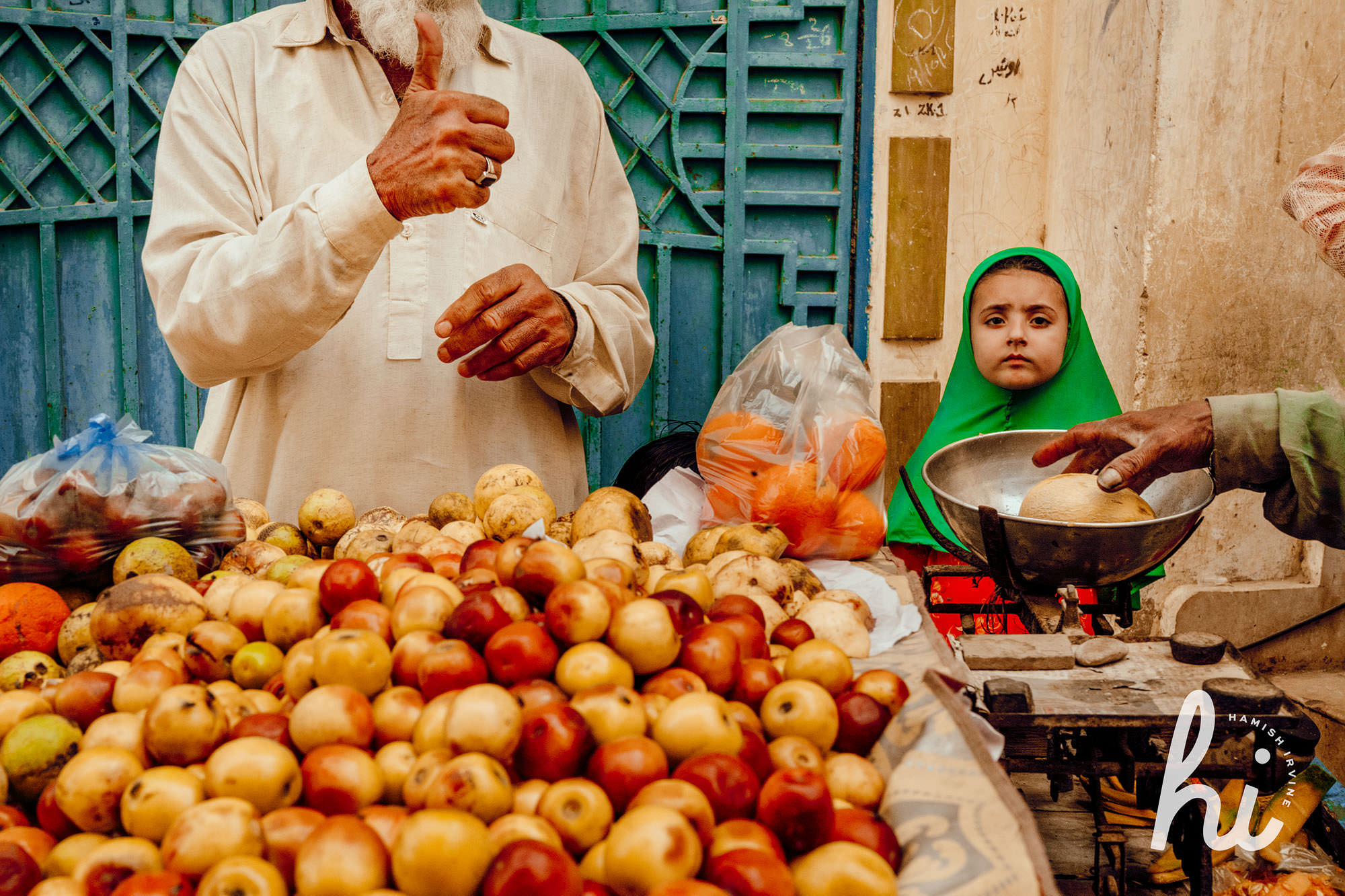
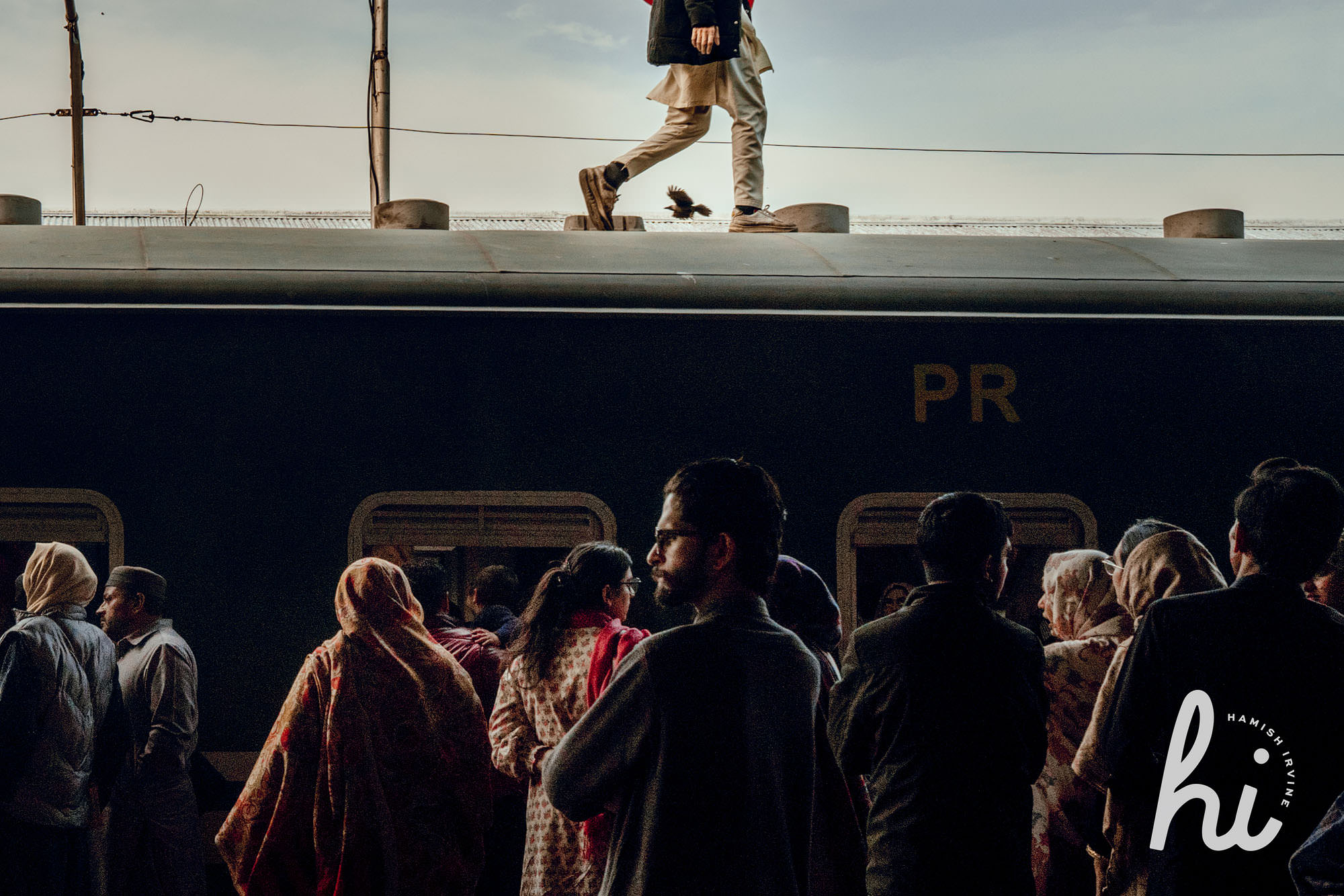
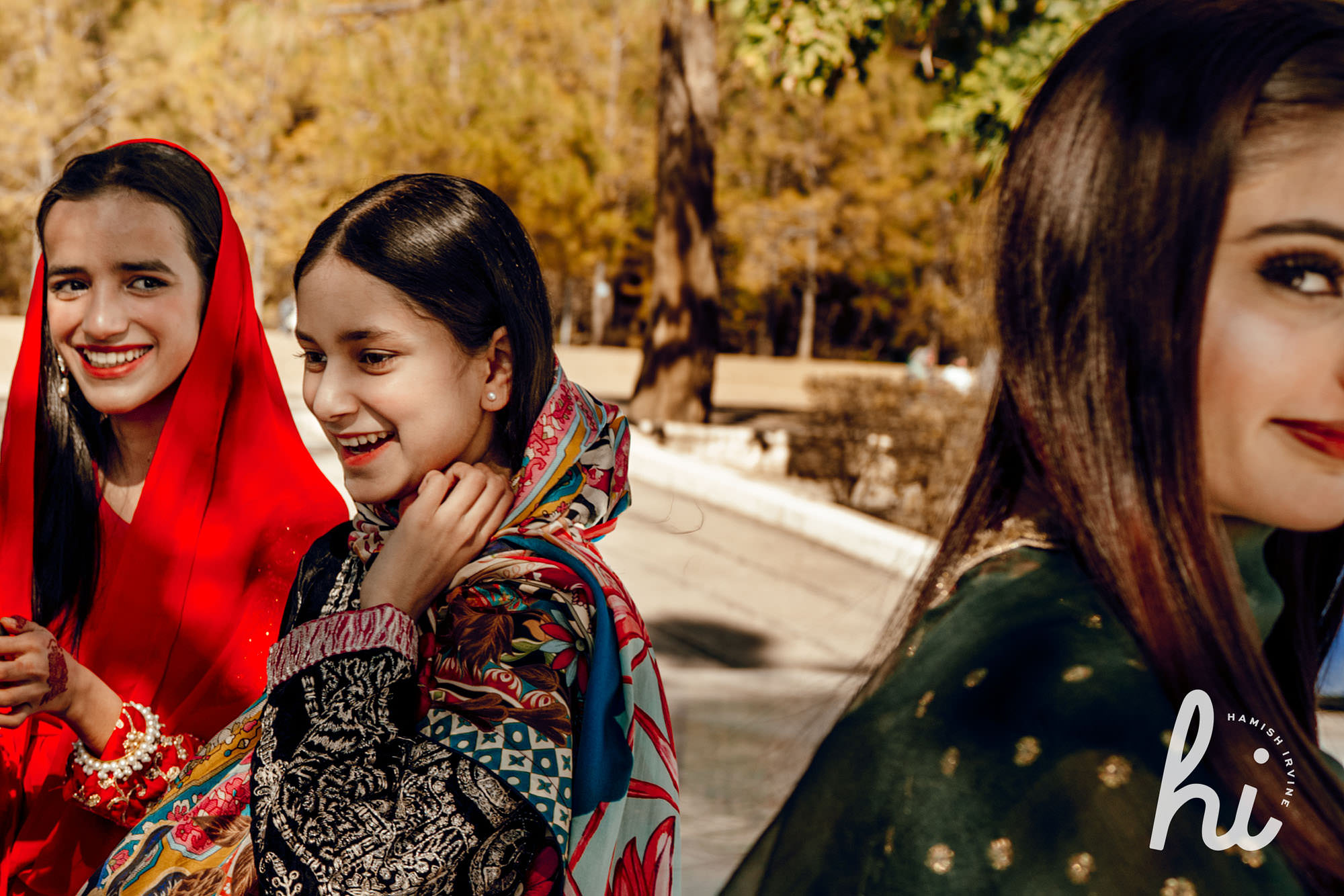
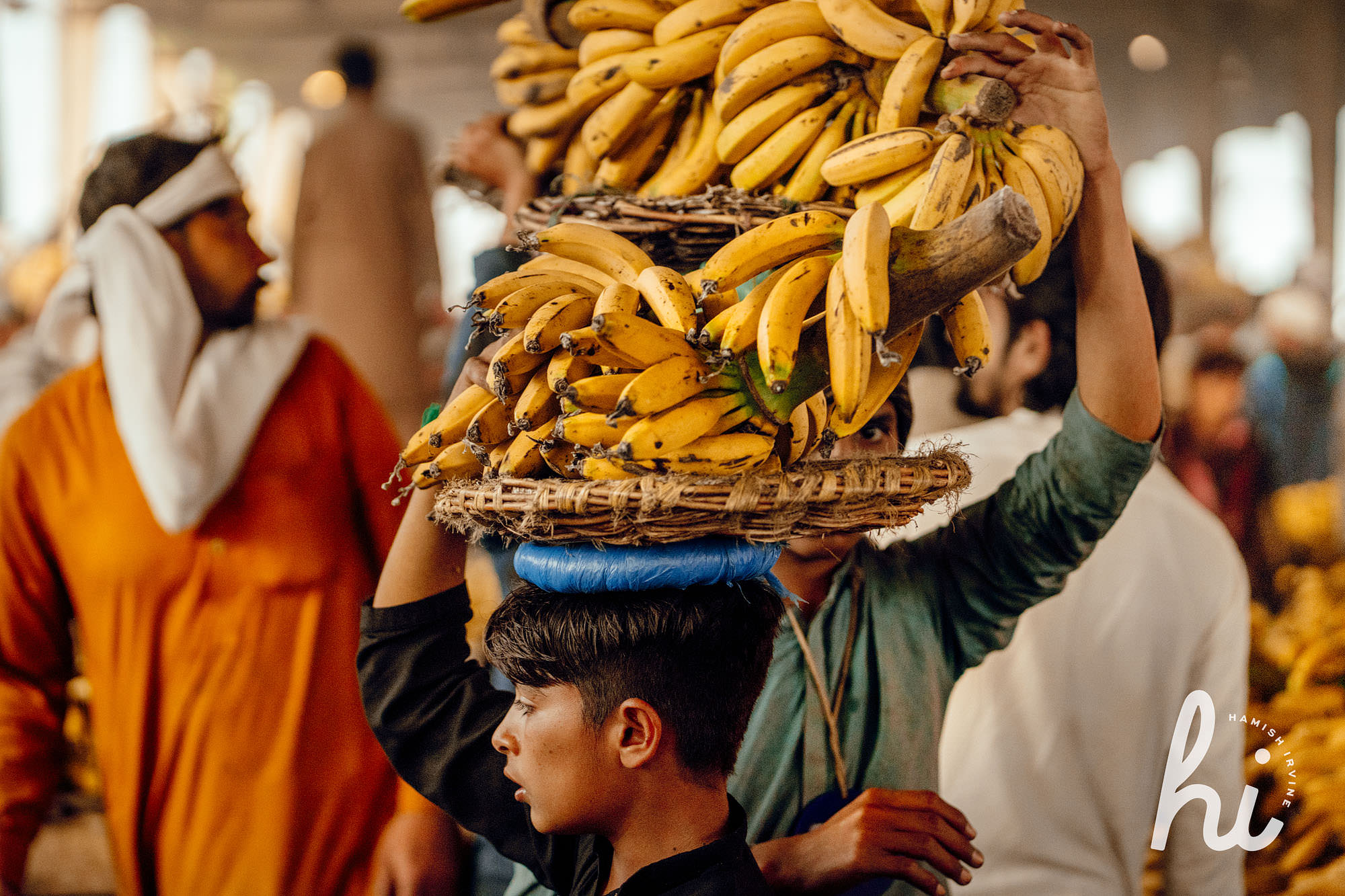
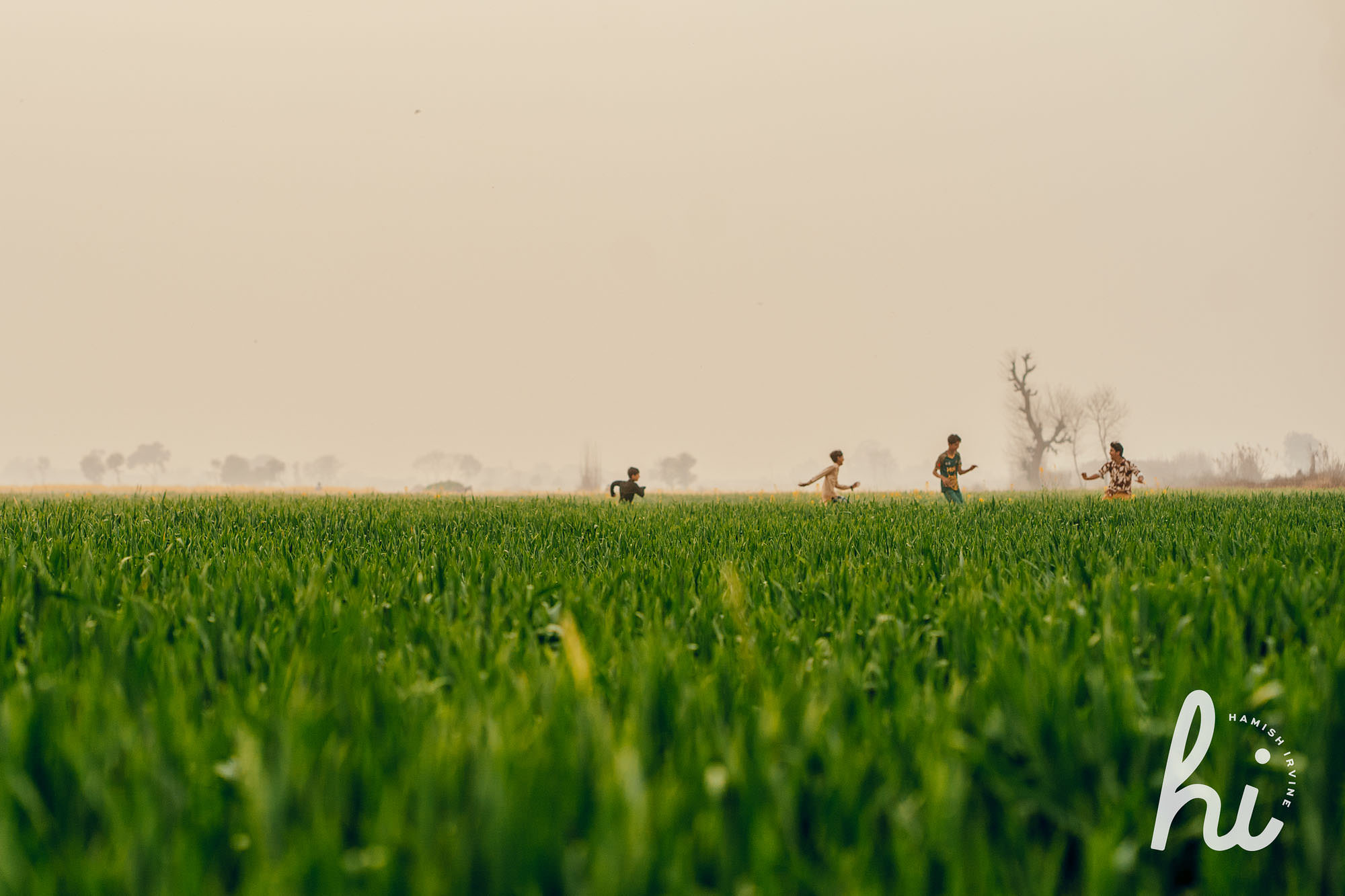
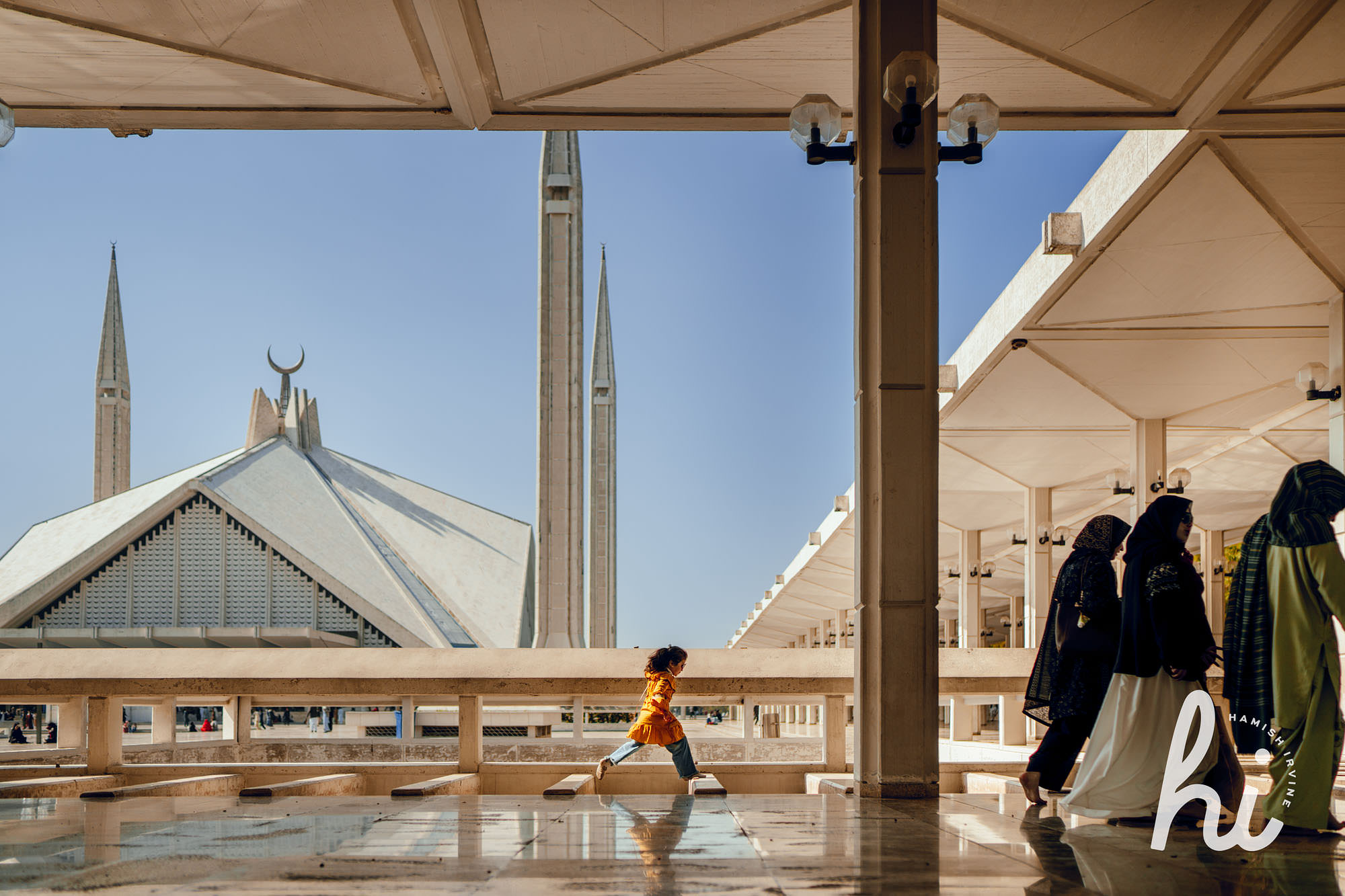
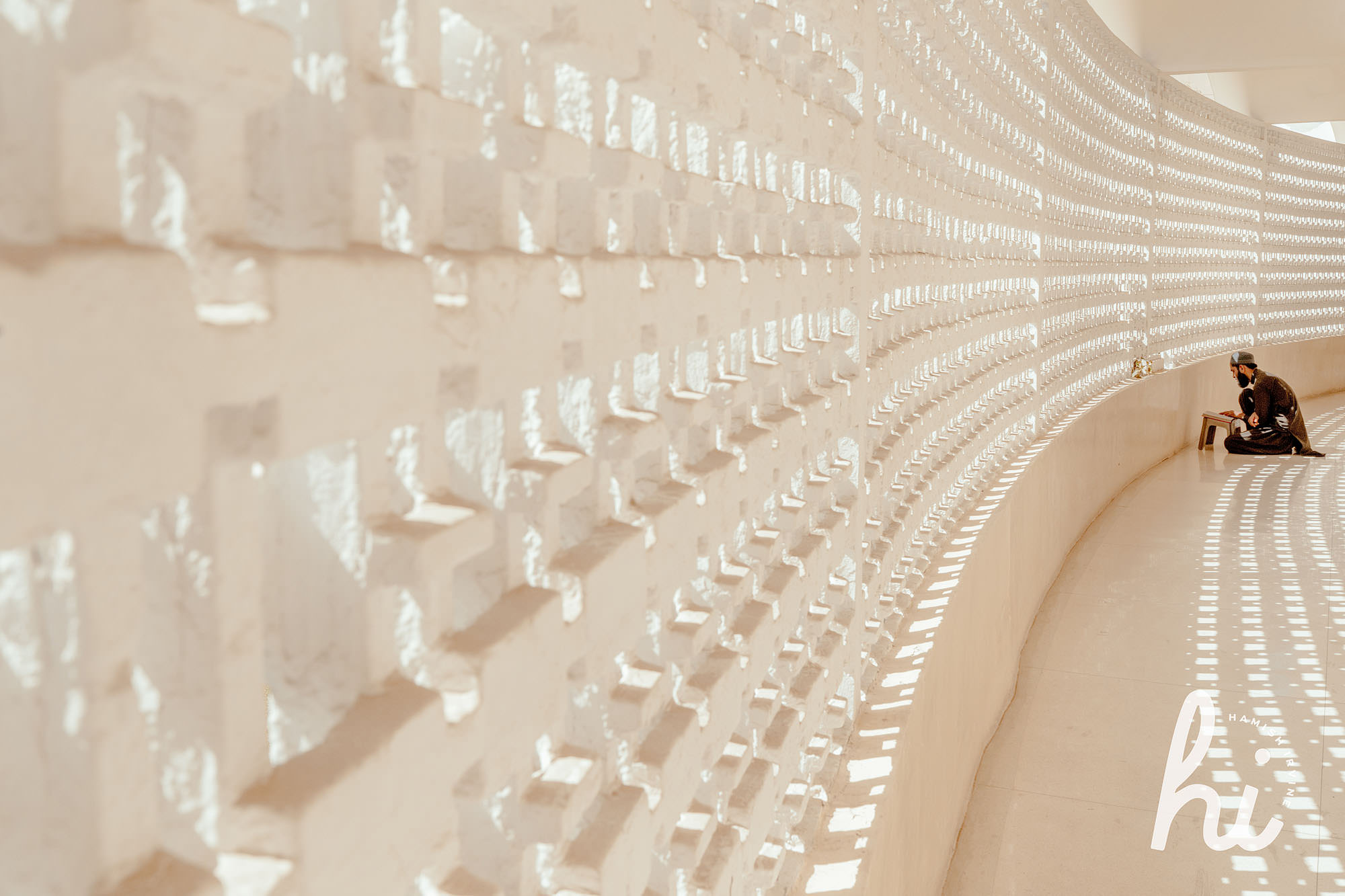
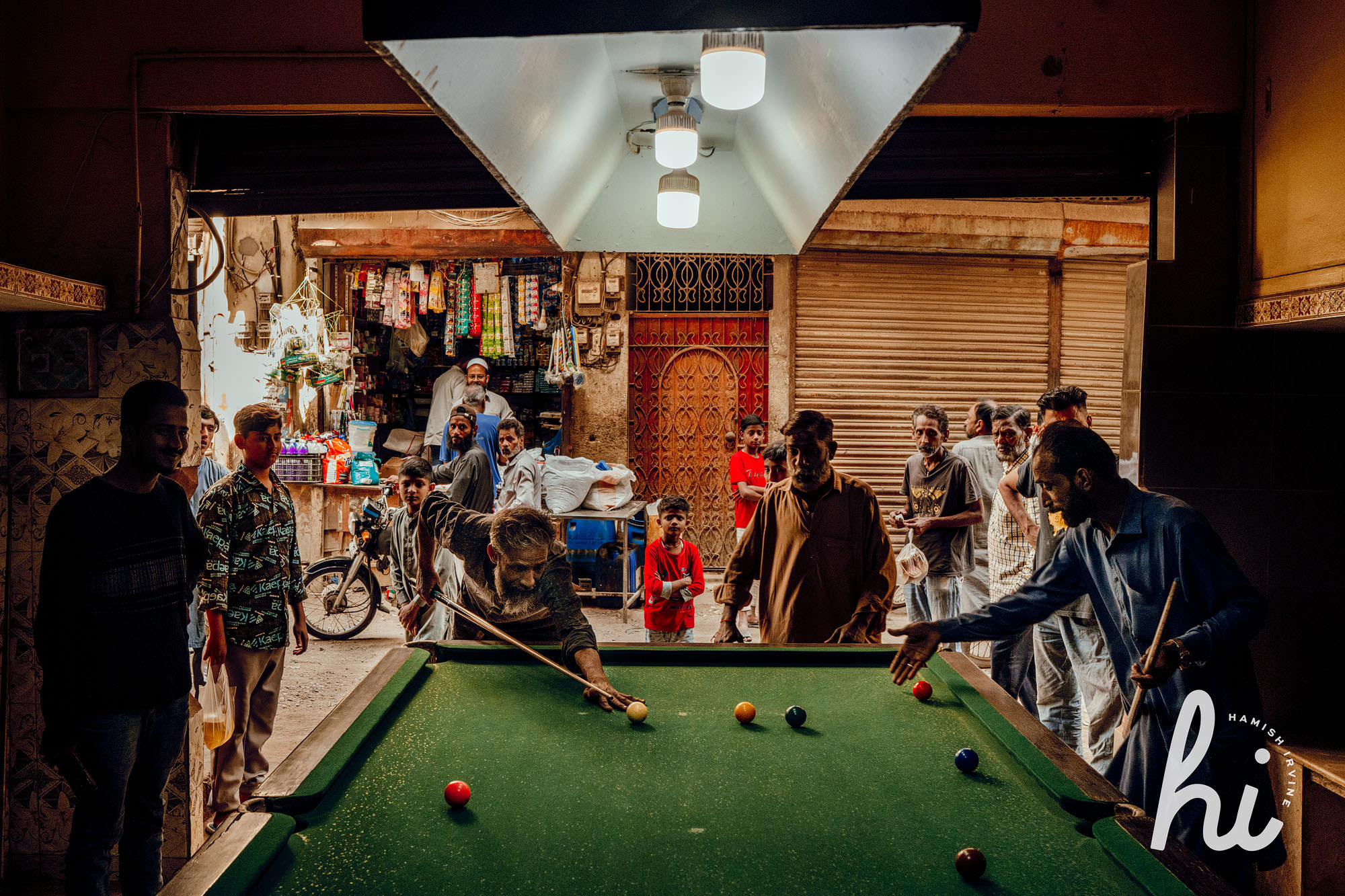
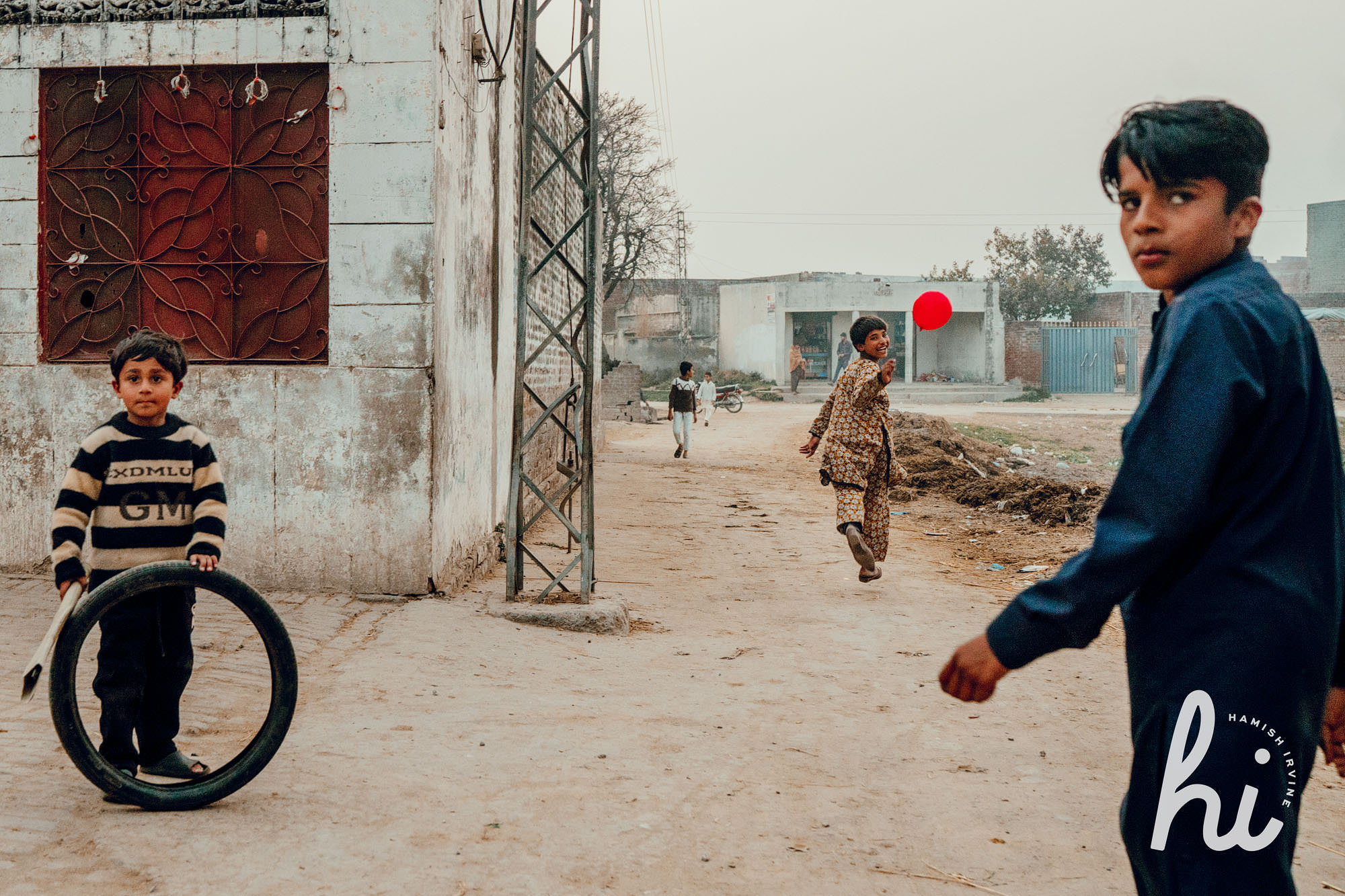
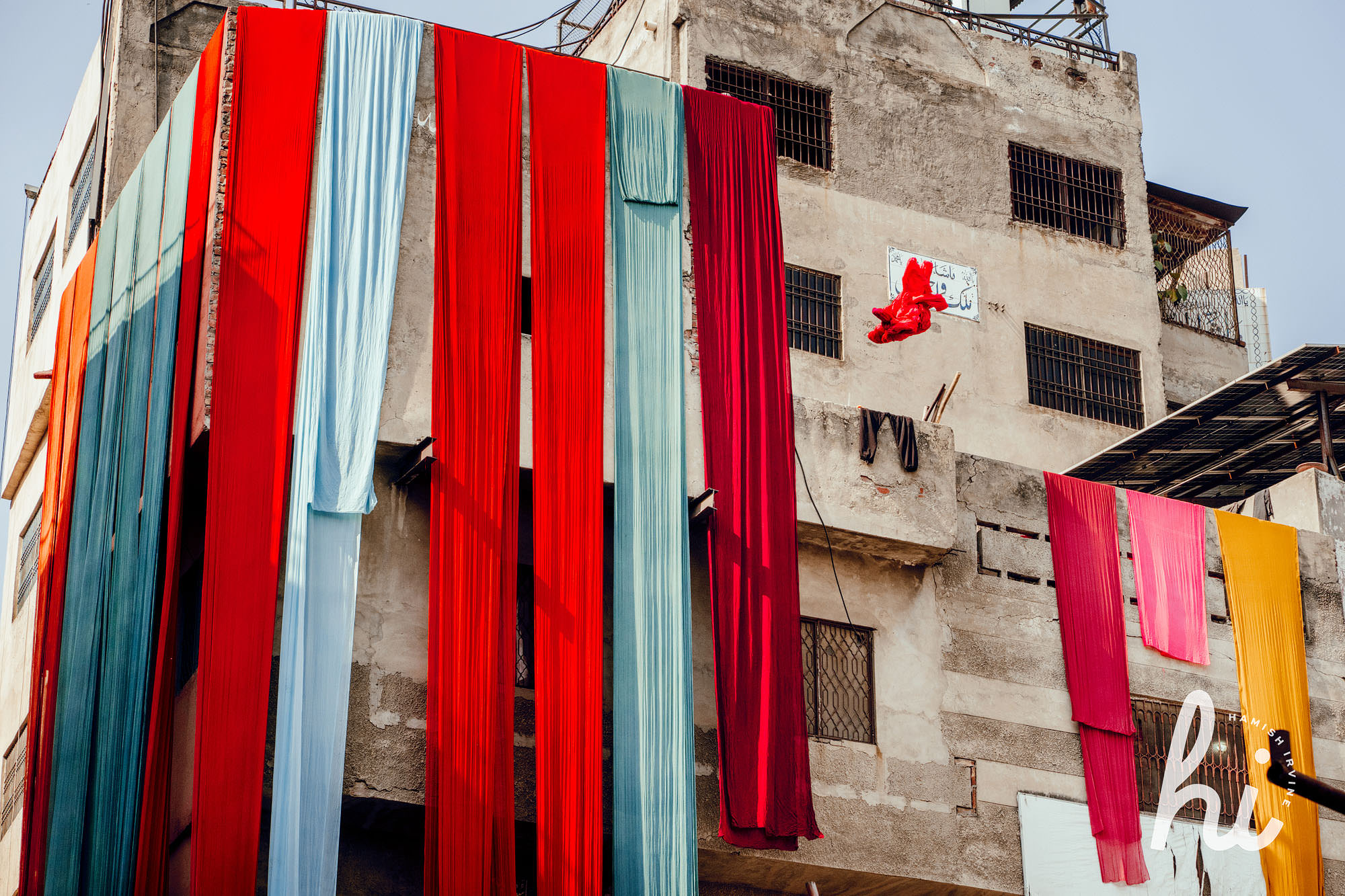
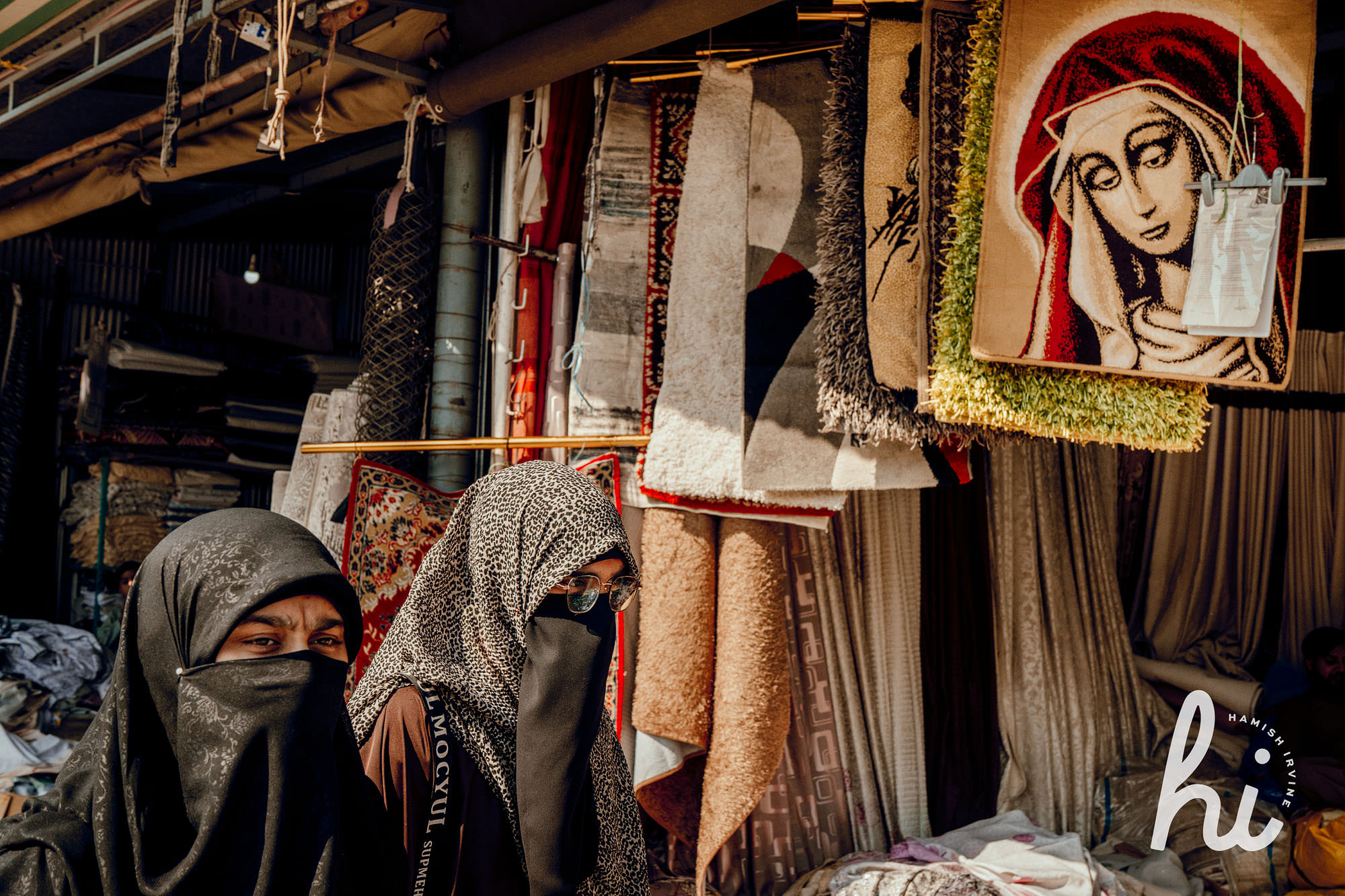
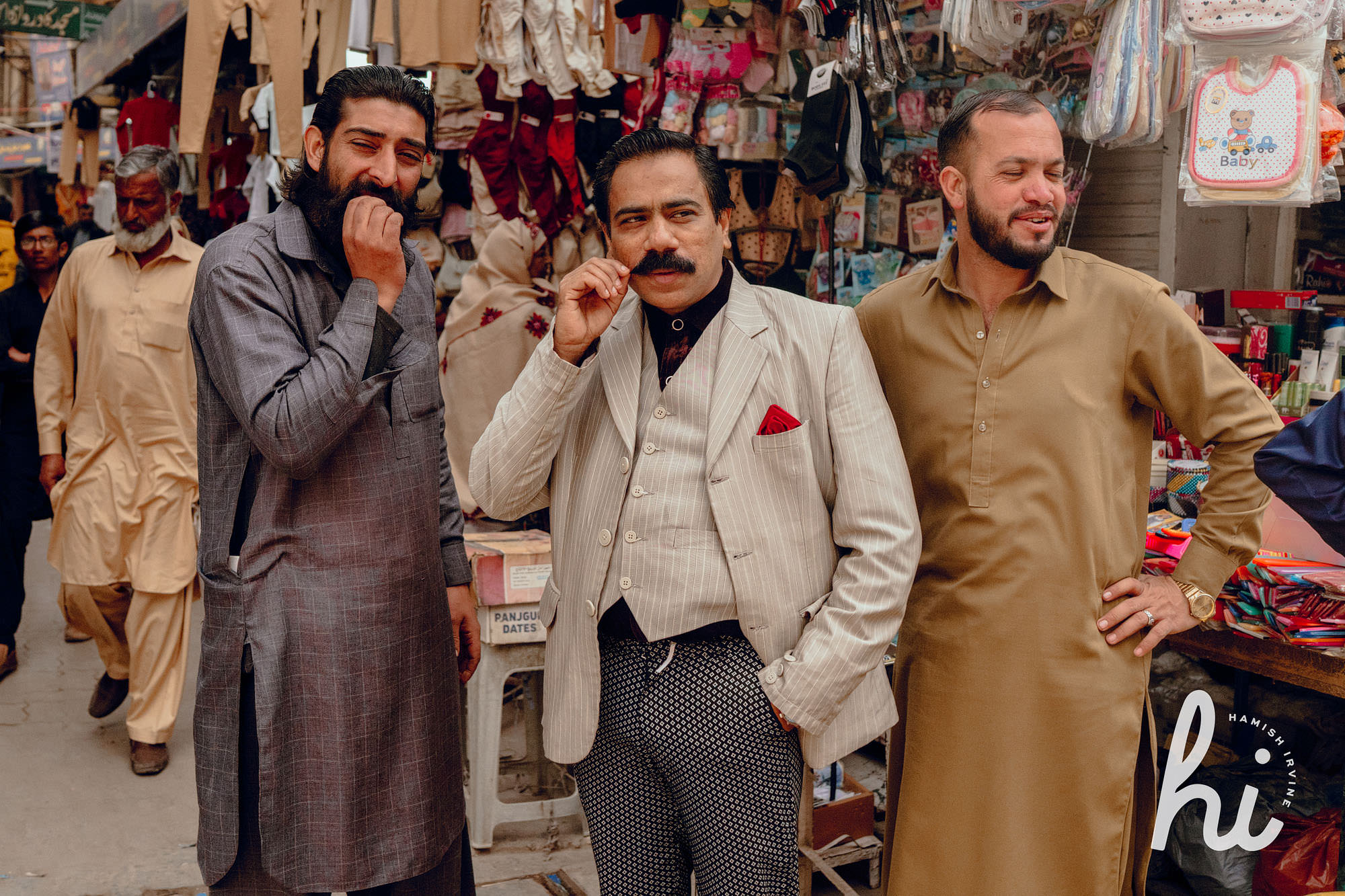
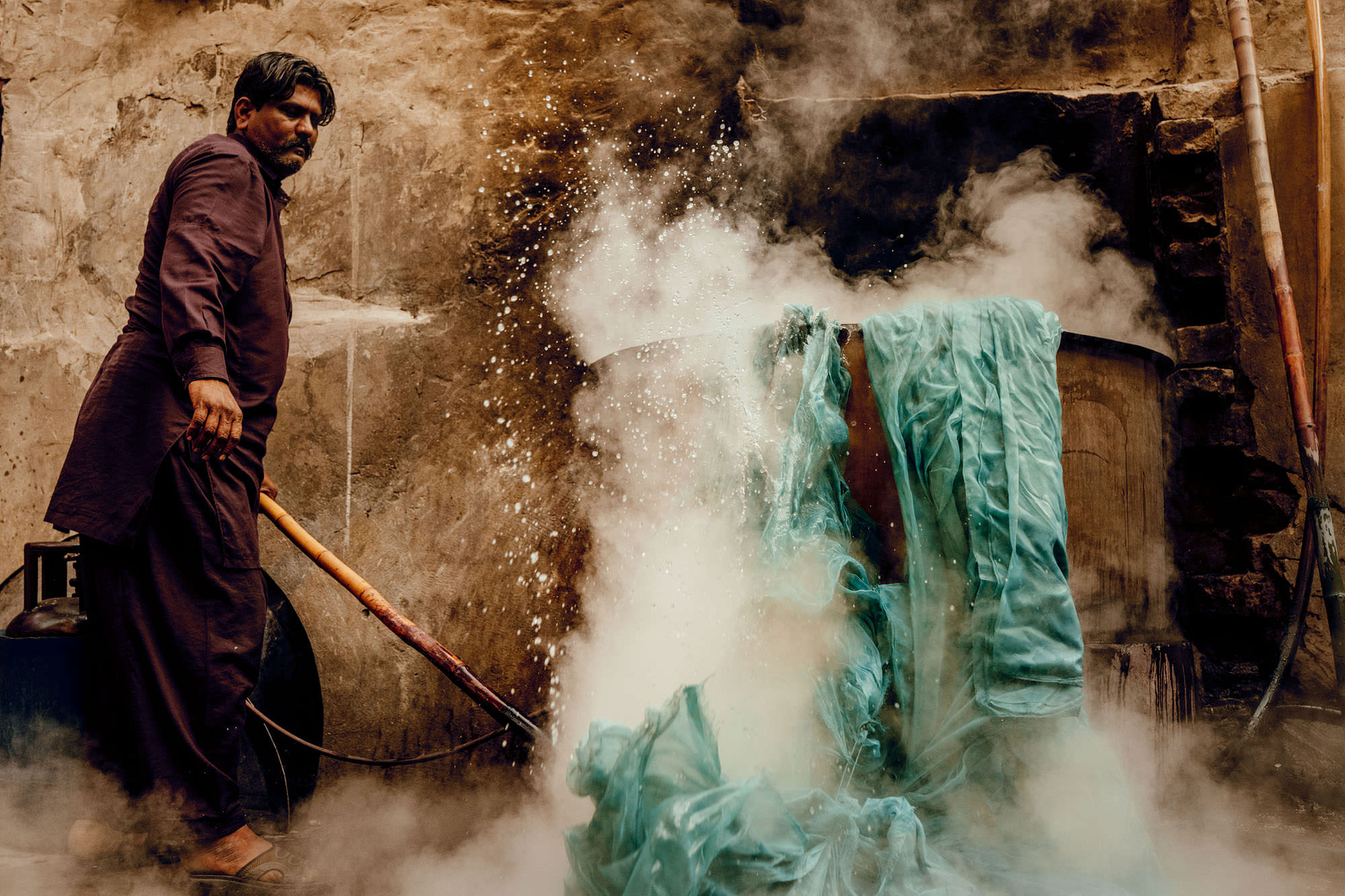
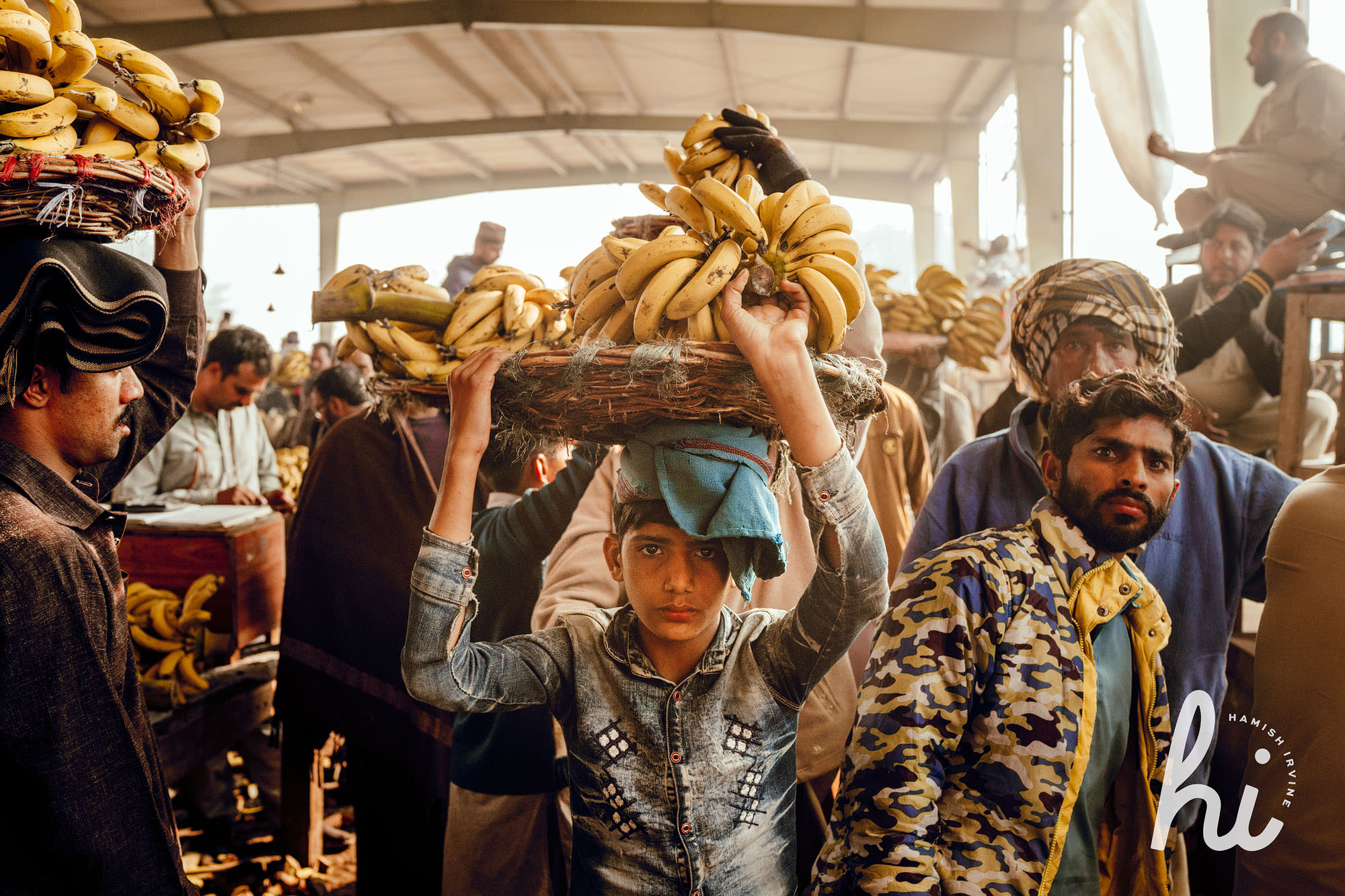
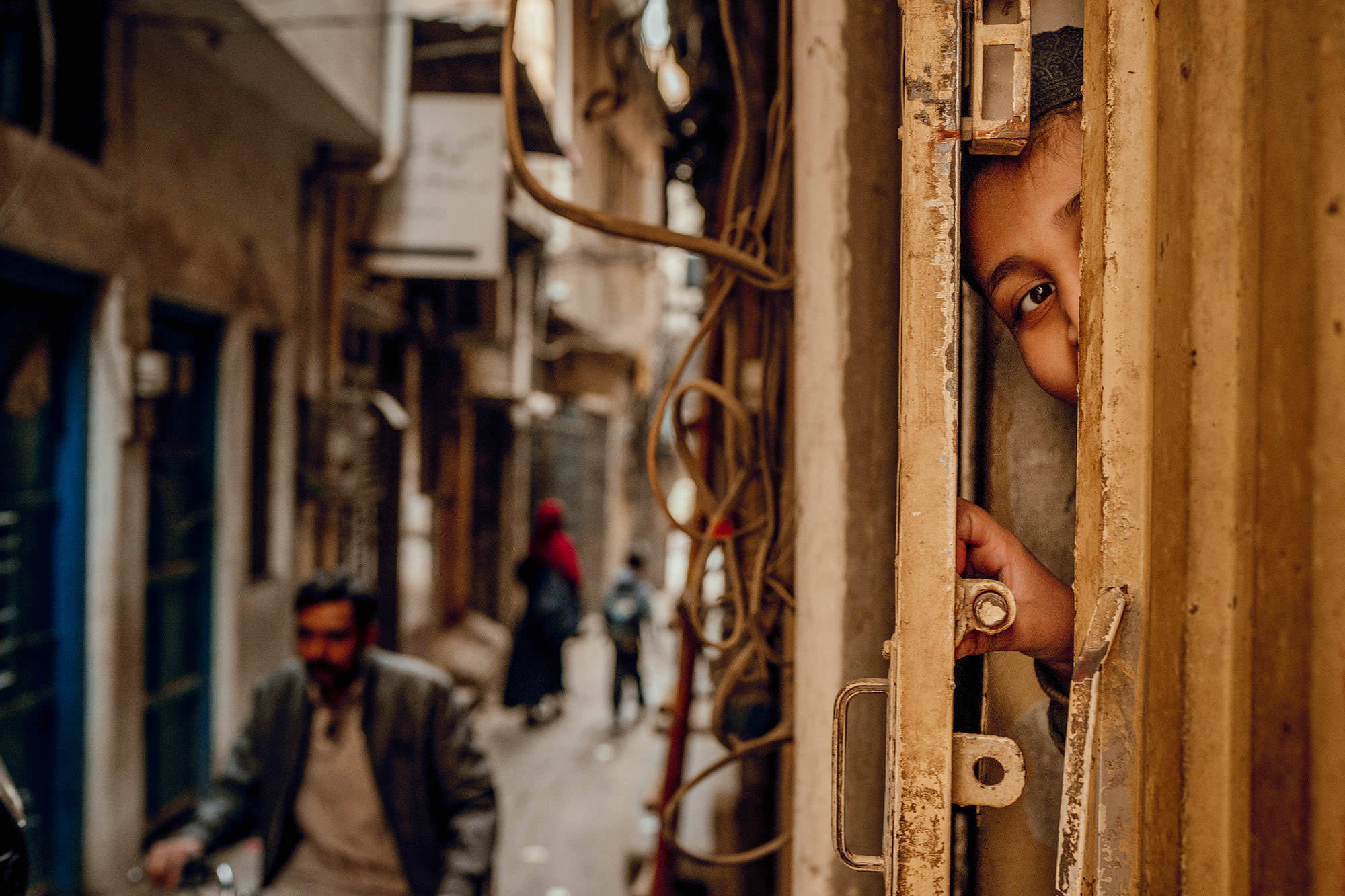
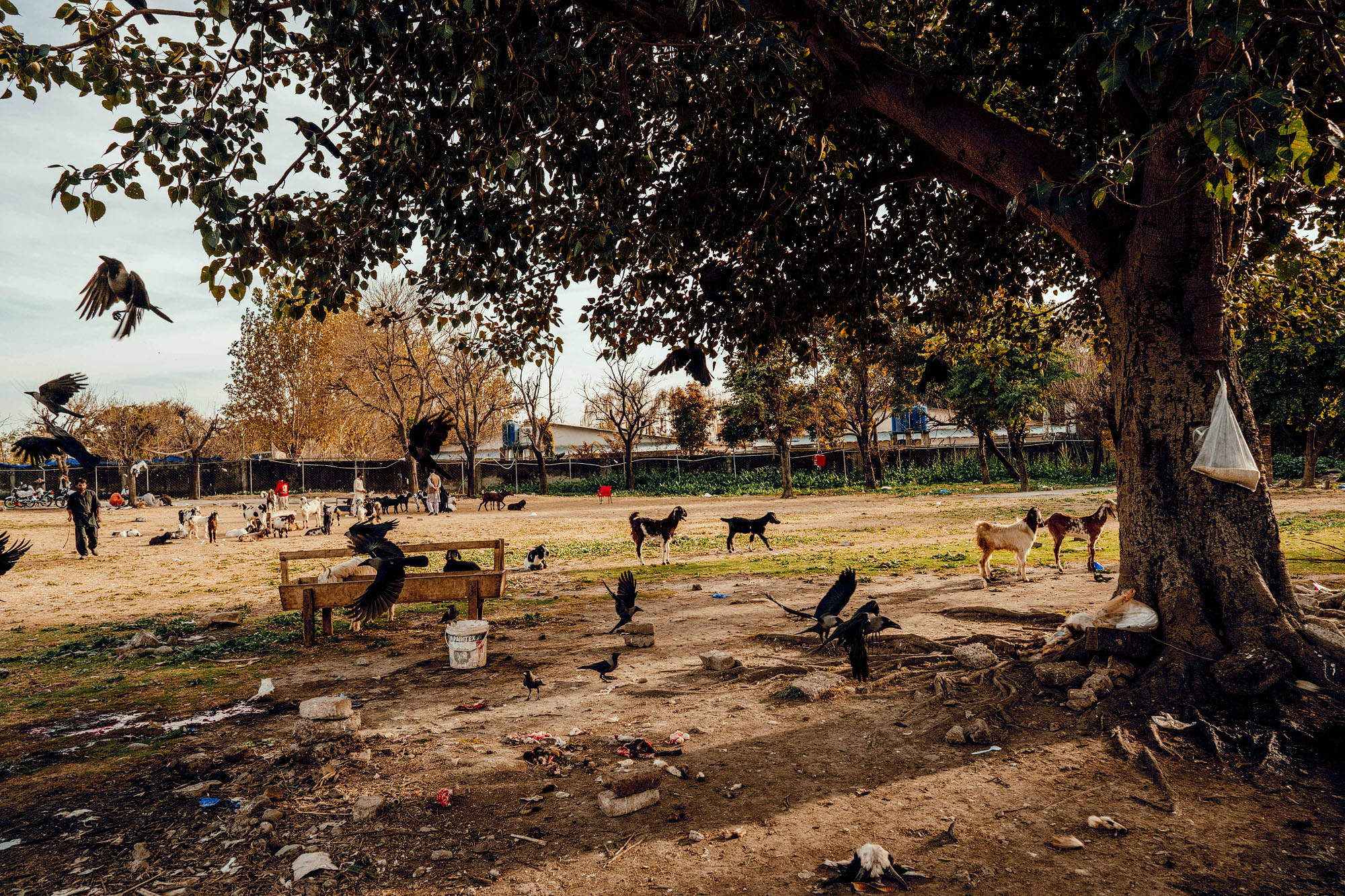
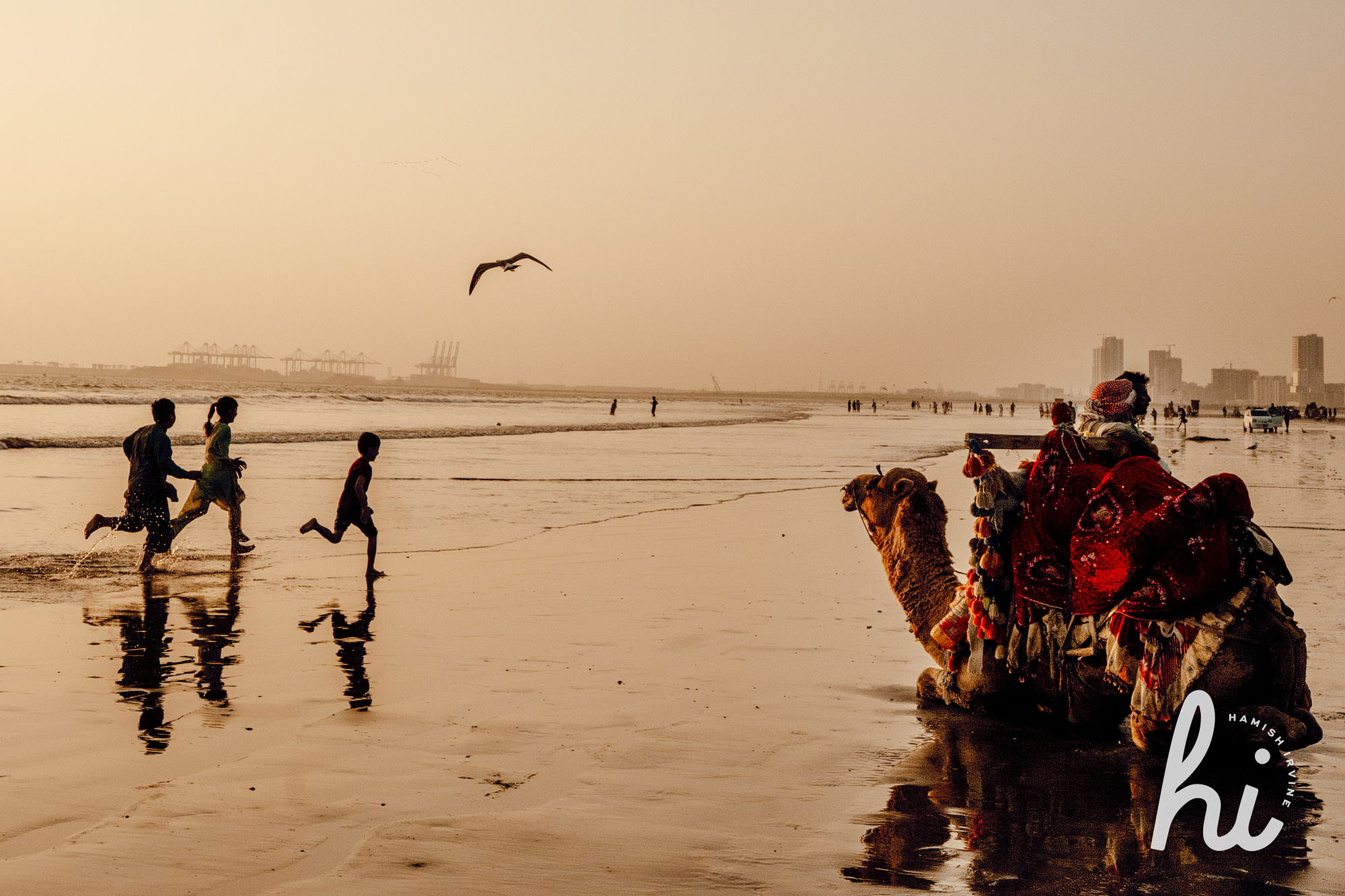
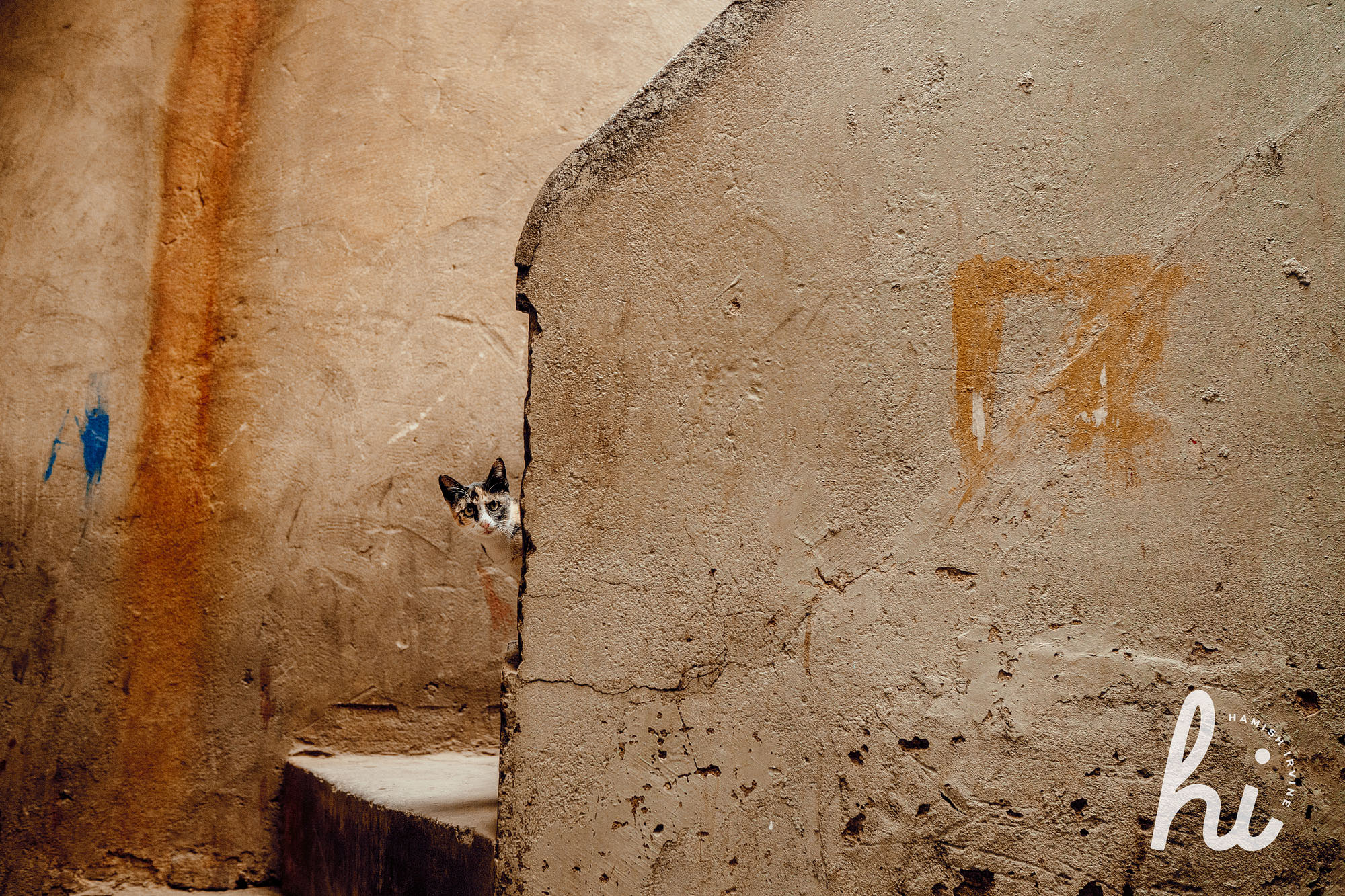
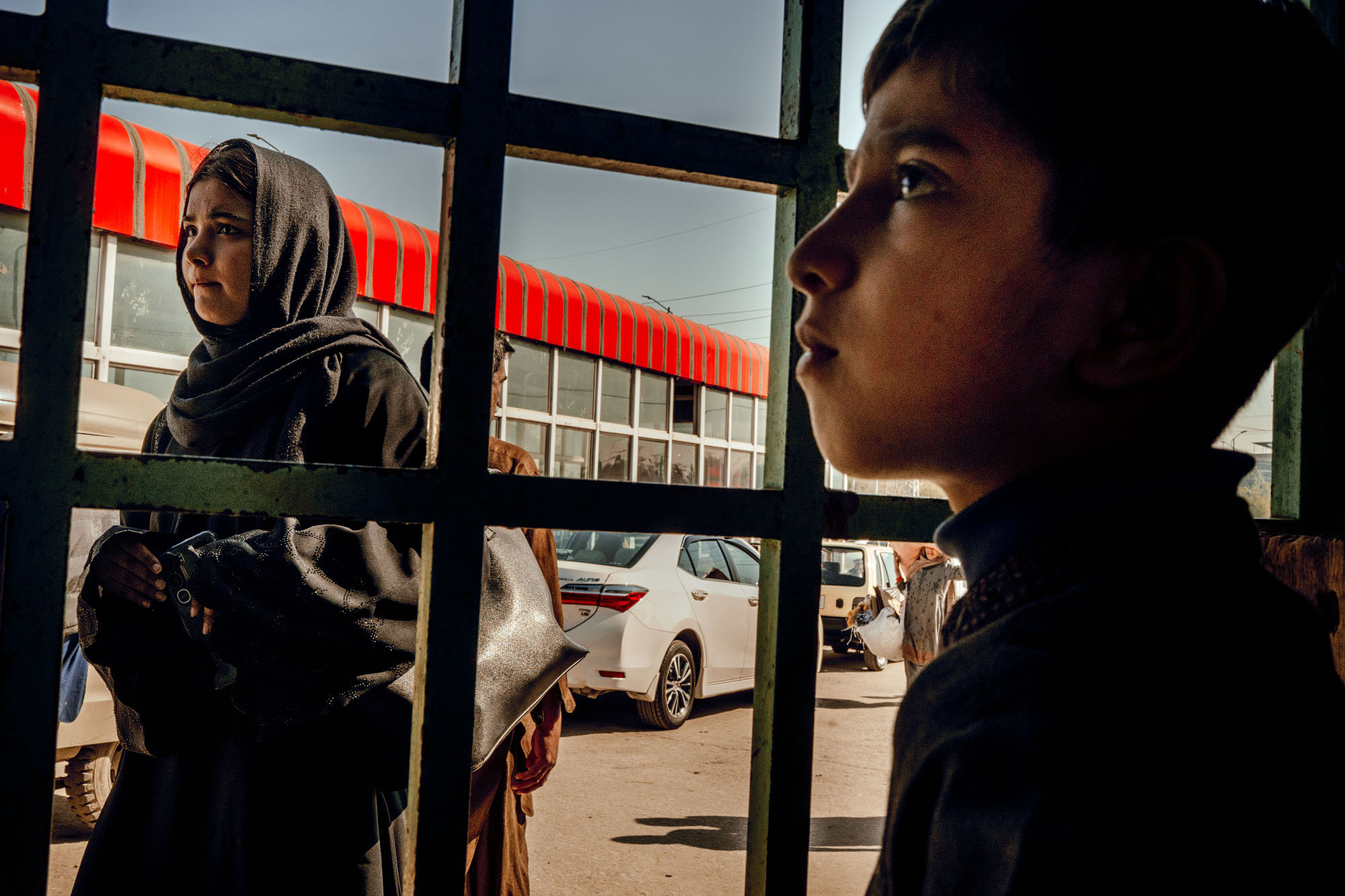
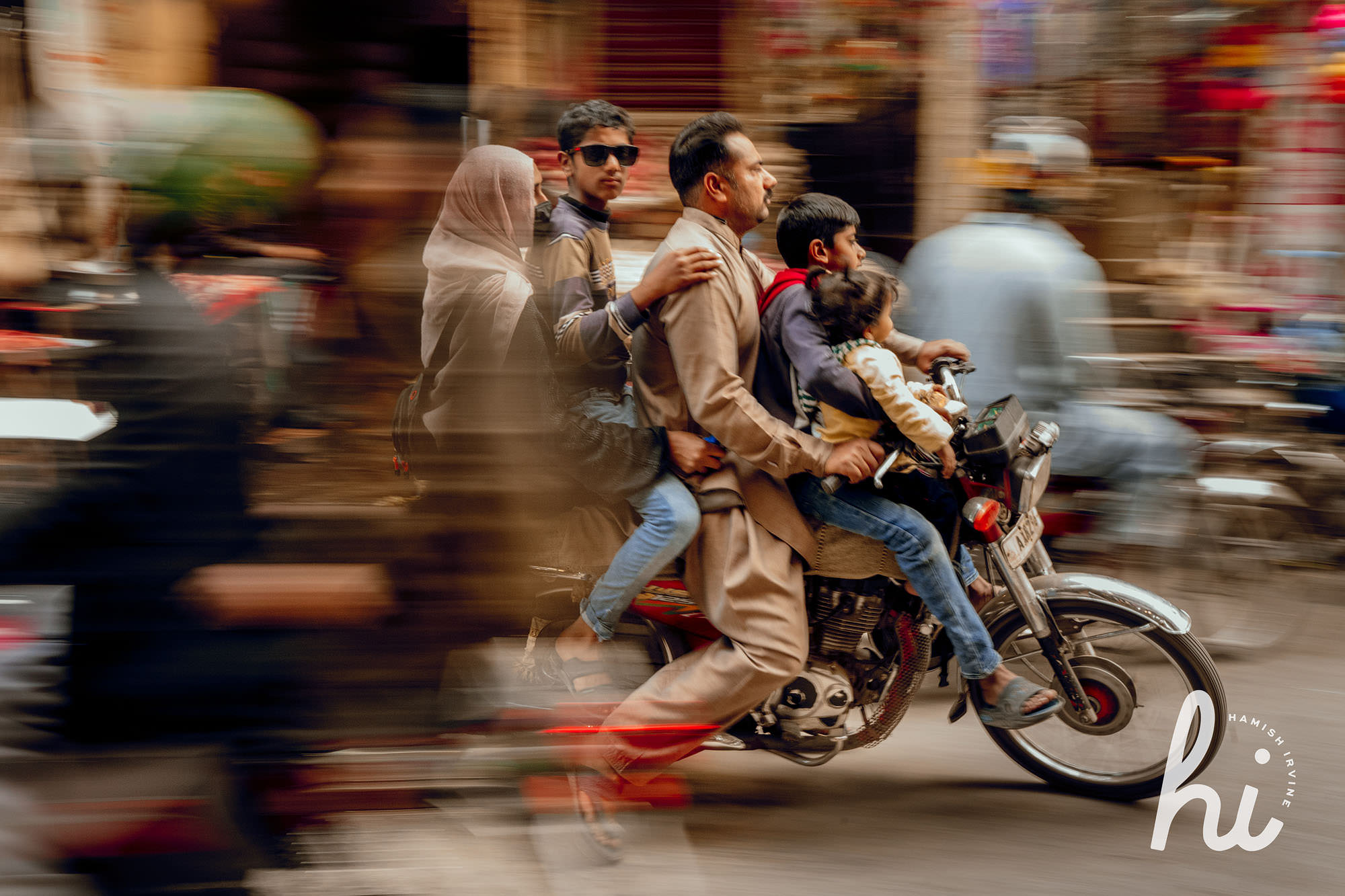
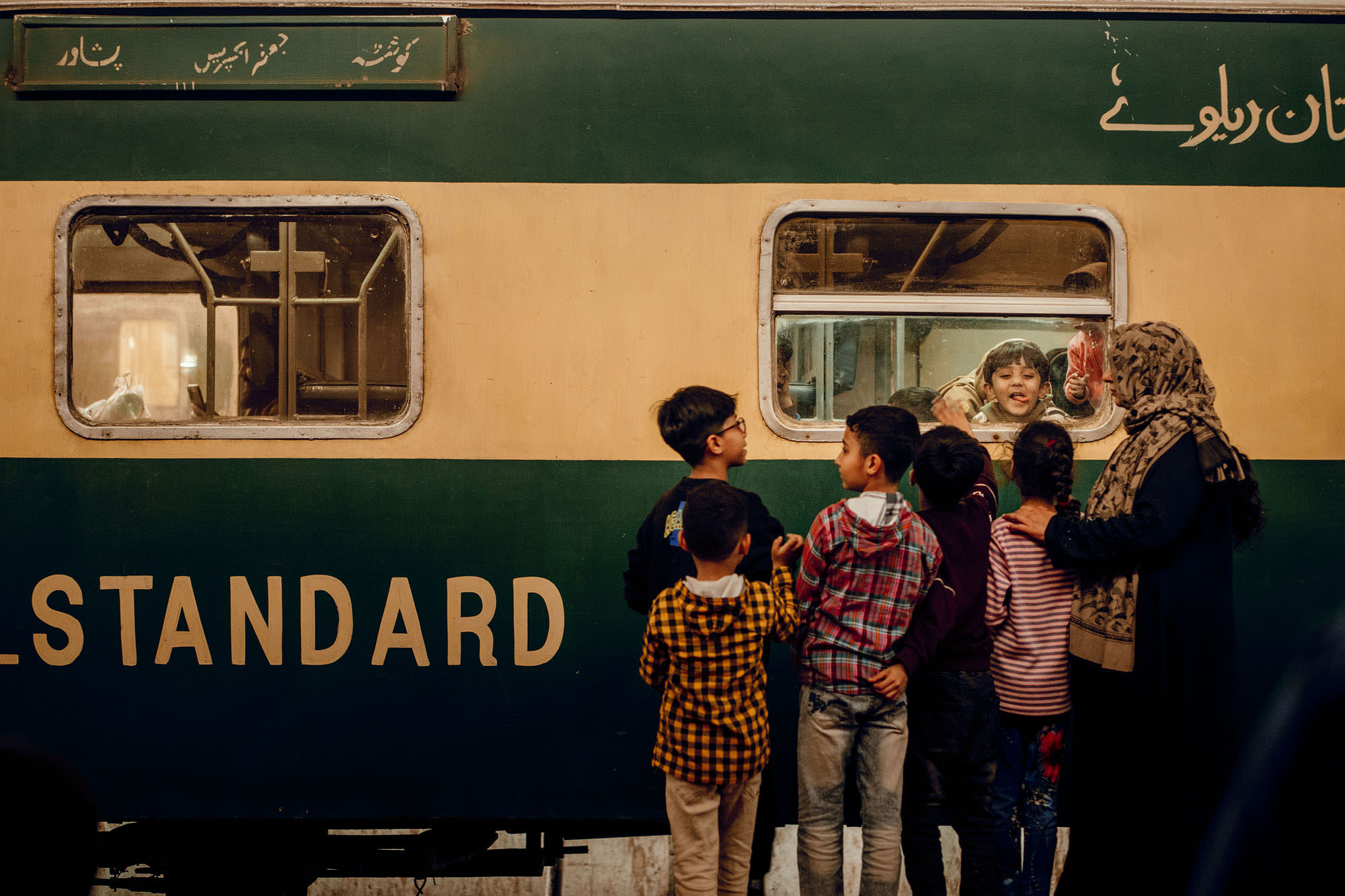
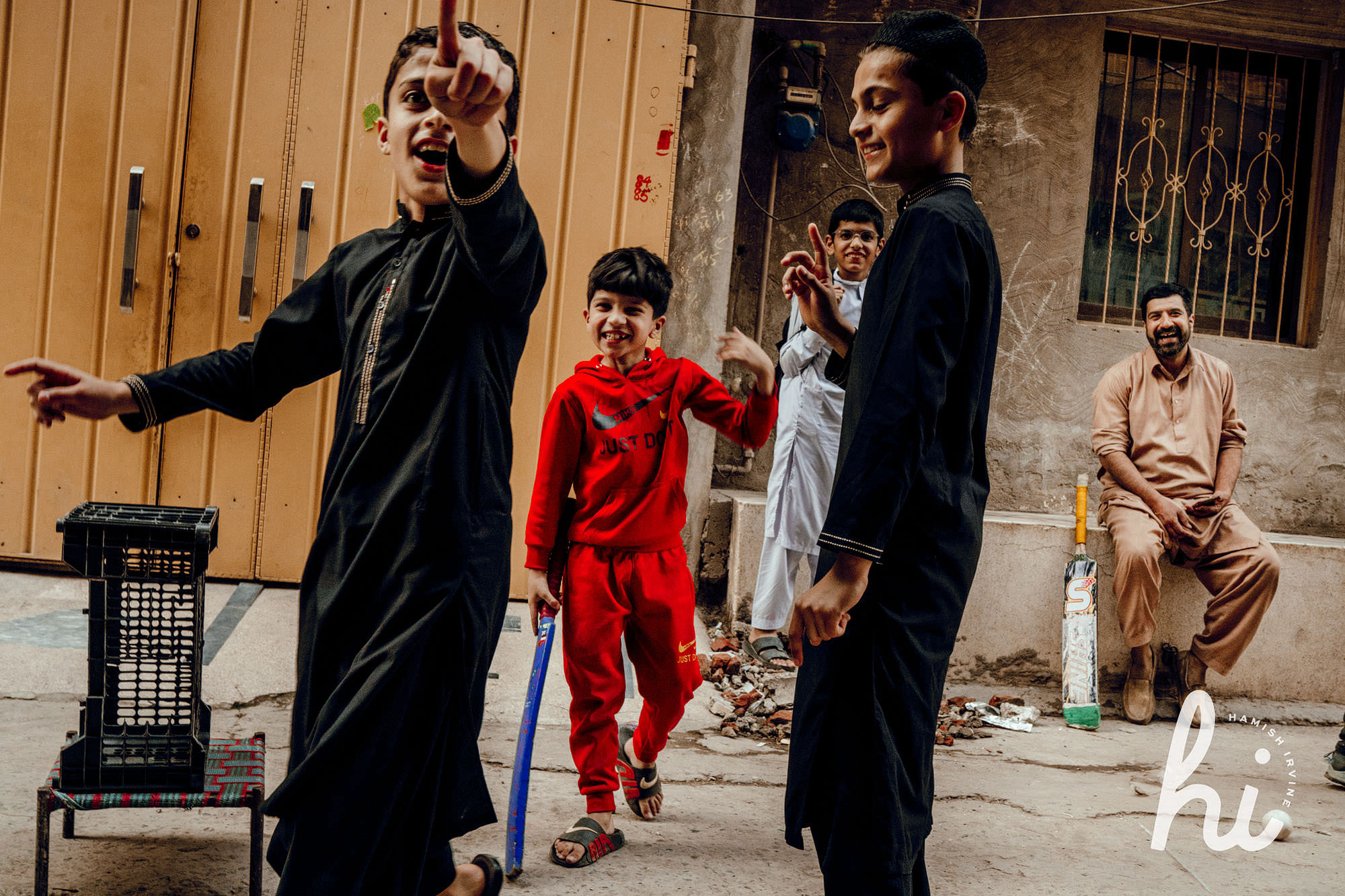
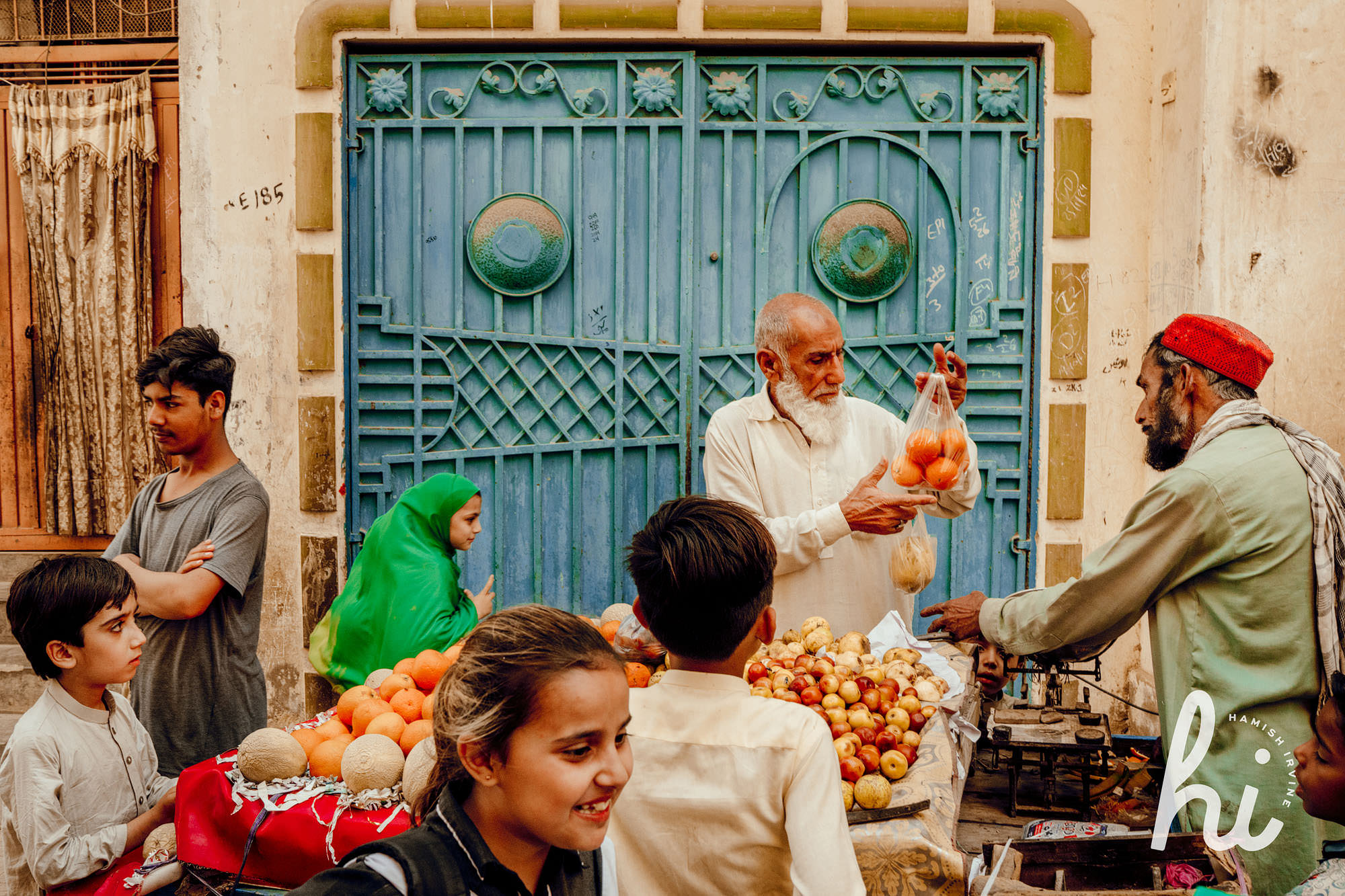
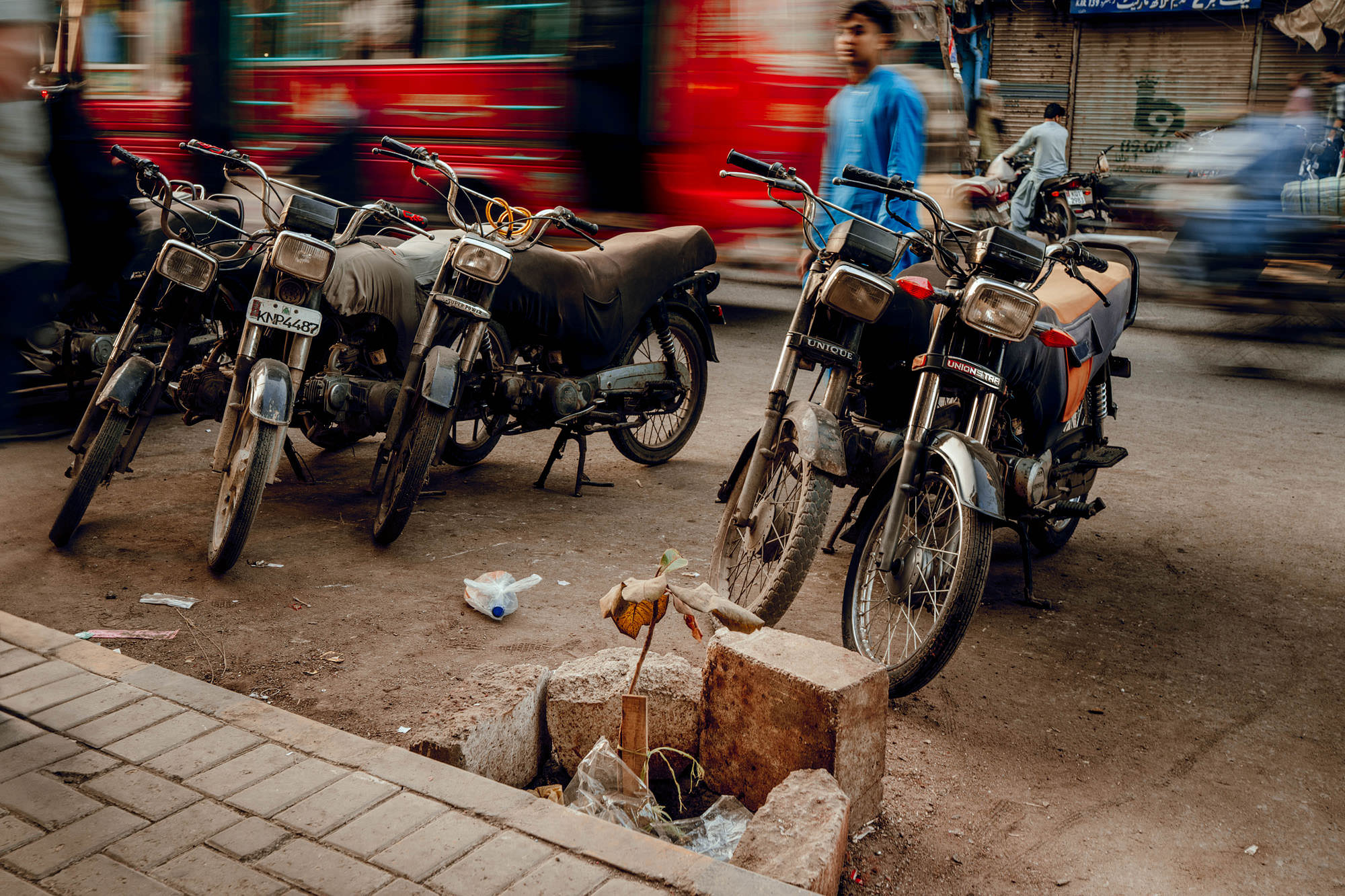
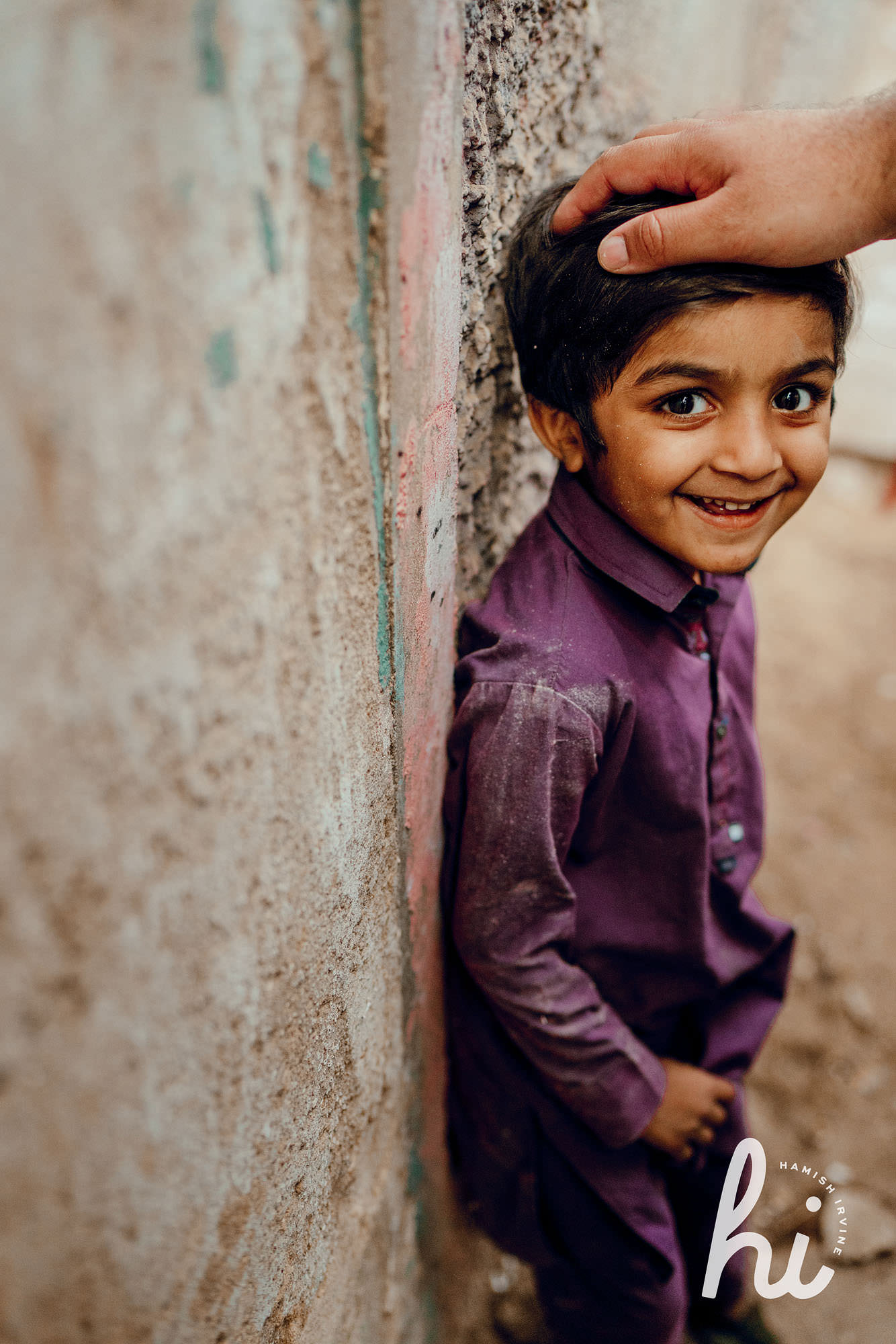
I chose to point my camera in the direction of daily life, focussing on the cheeky moments in between the ordinary ones, capturing the peace of Islam, the feeling of community across Pakistan, the effervescent children always out playing and the humbling everyday kindness granted to us and everyone else living there.
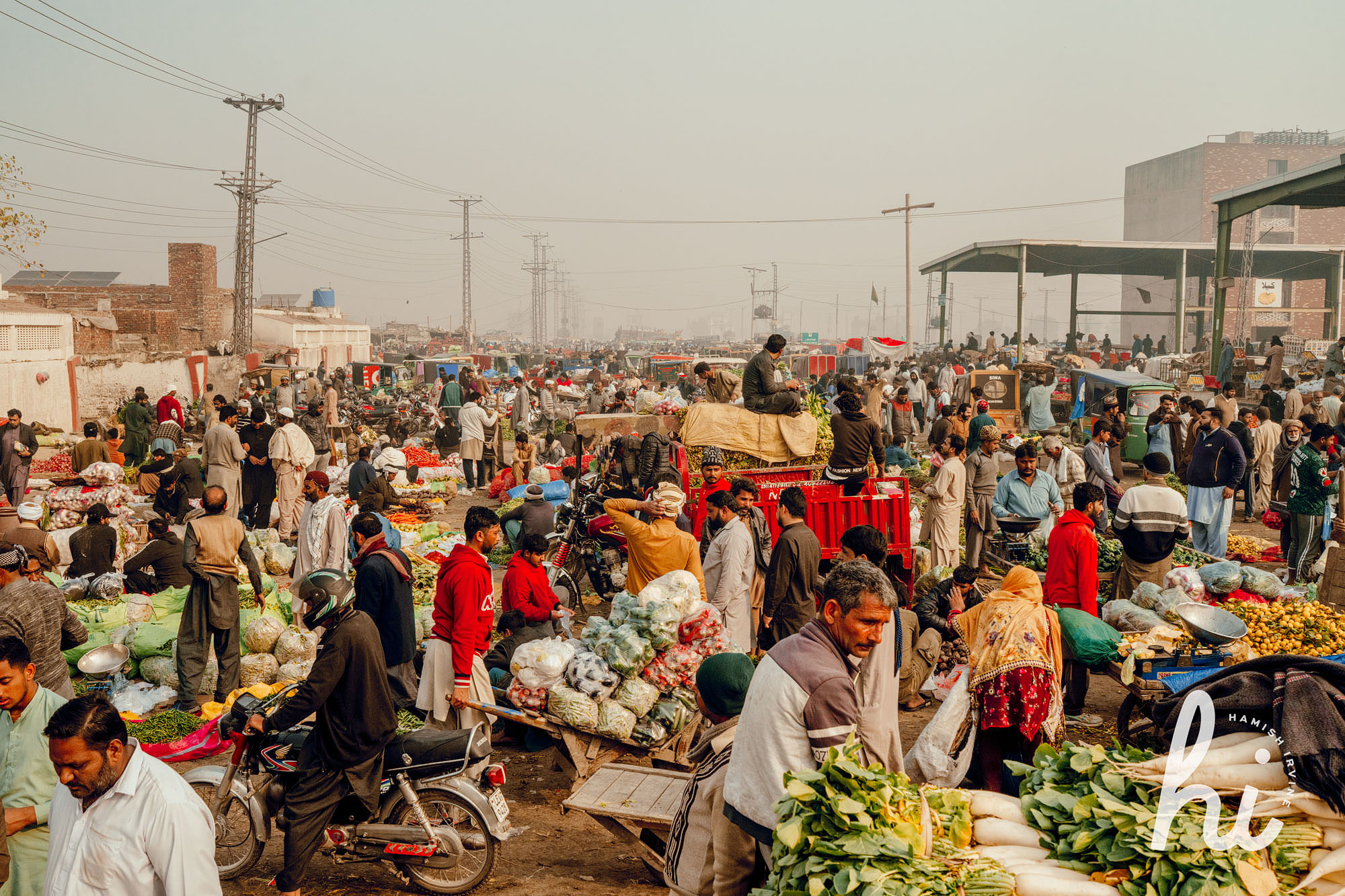
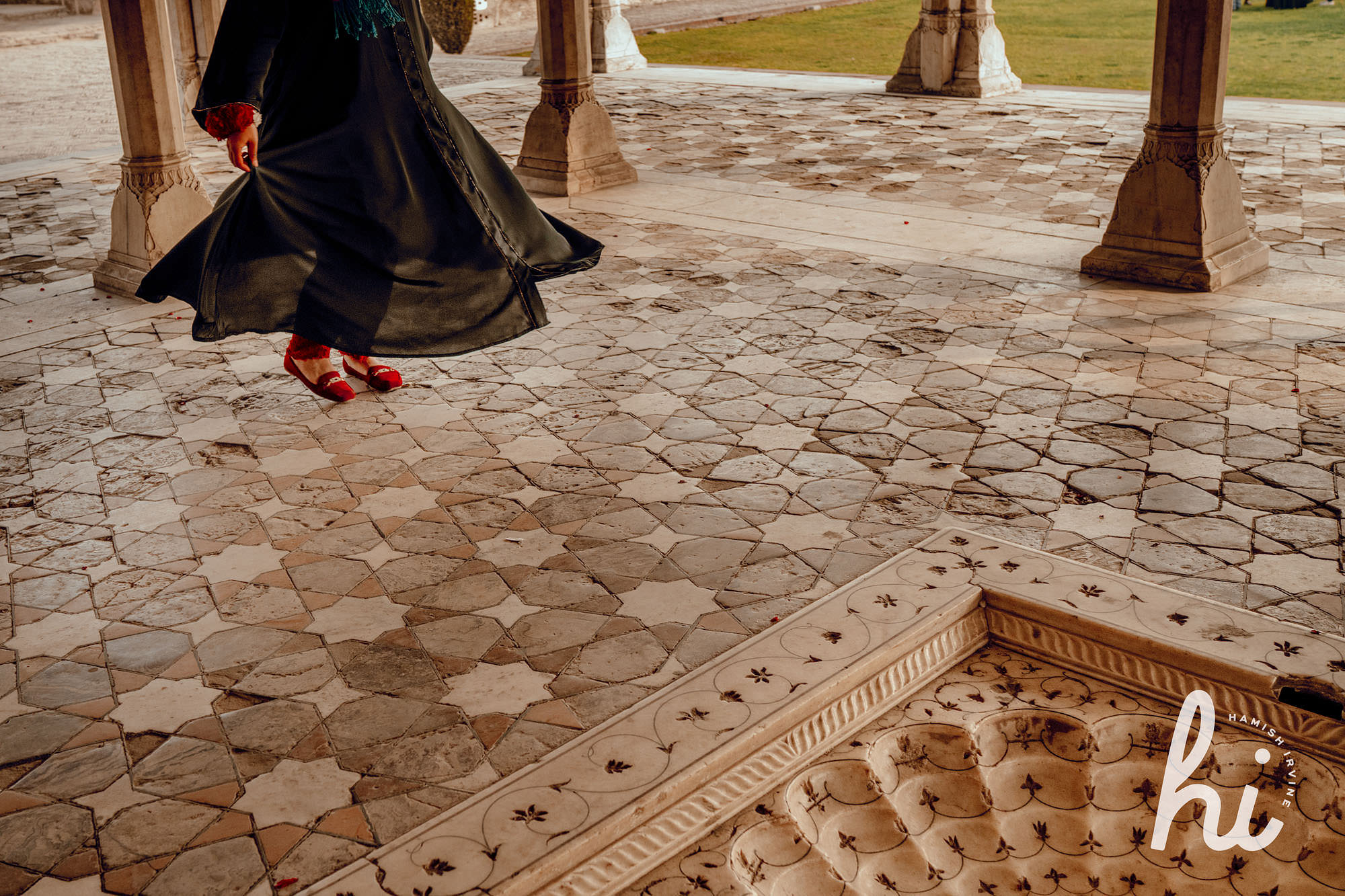
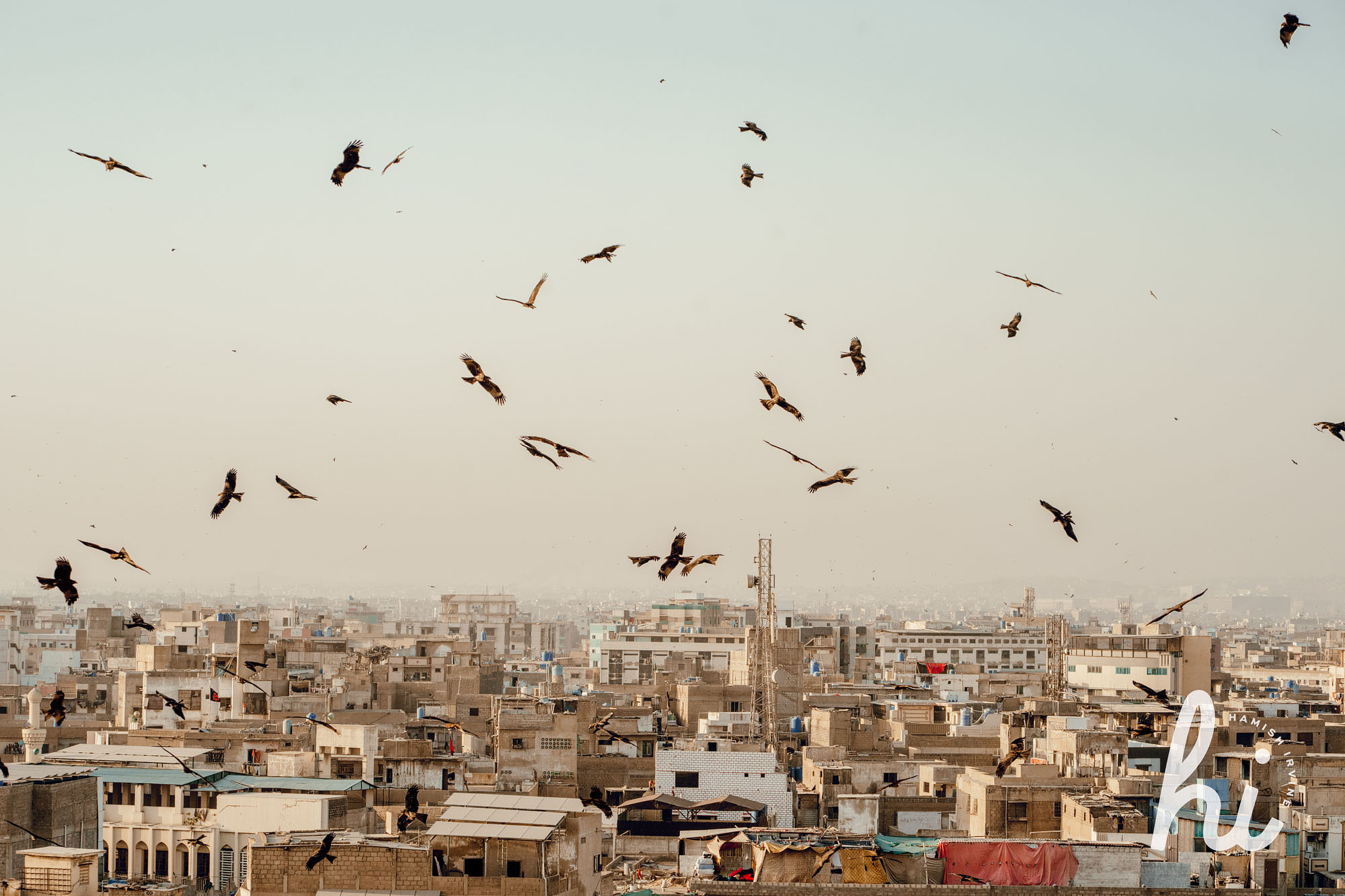
Our route through Rawalpindi, Islamabad, Mirpur, Lahore and Karachi, was one questioned by so many Pakistanis. They’d repeatedly ask, ‘why are you here and not in the north, taking beautiful pictures around the Himalaya?’… Maybe they’d never realised the beauty that was around their own neighbourhood streets.
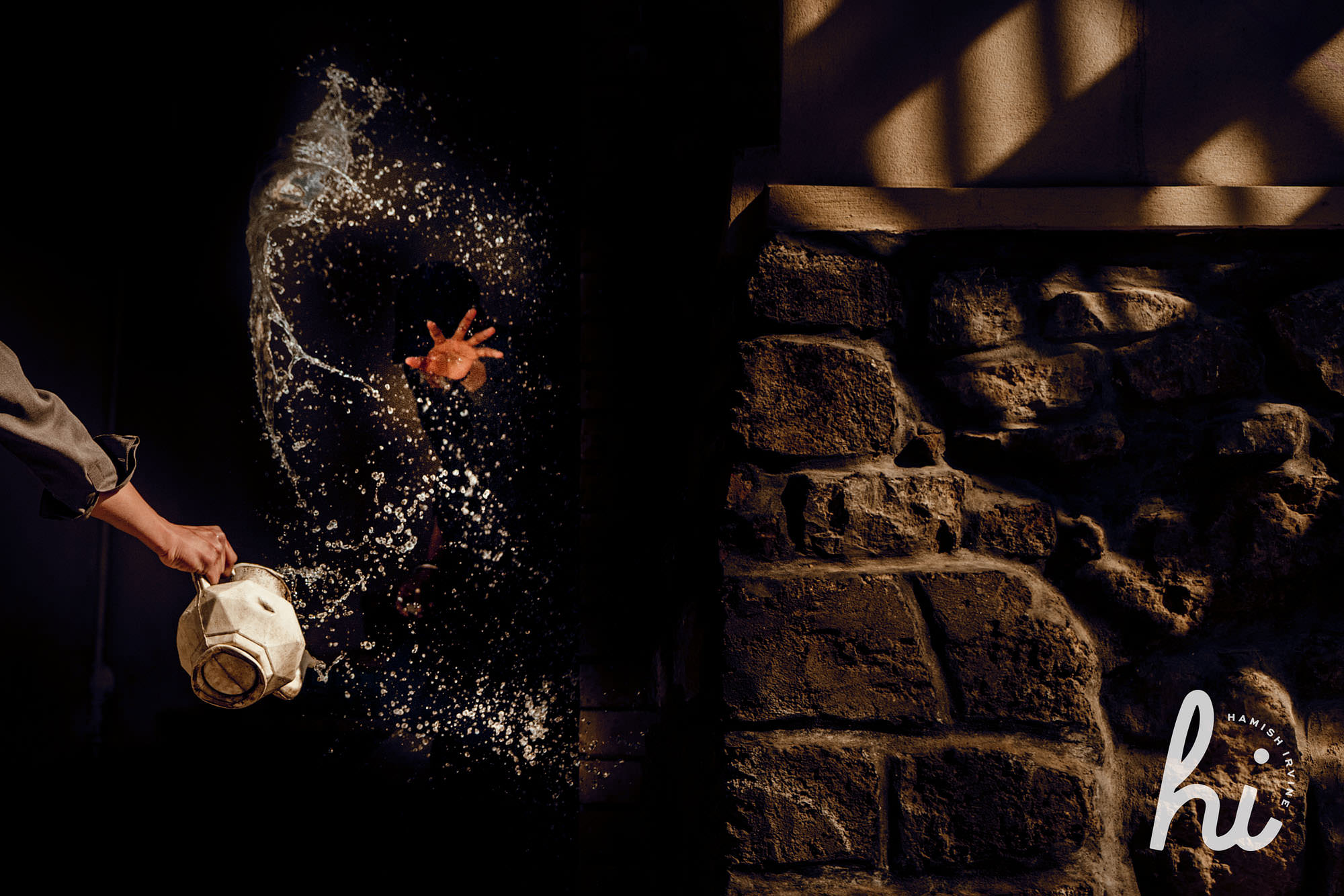
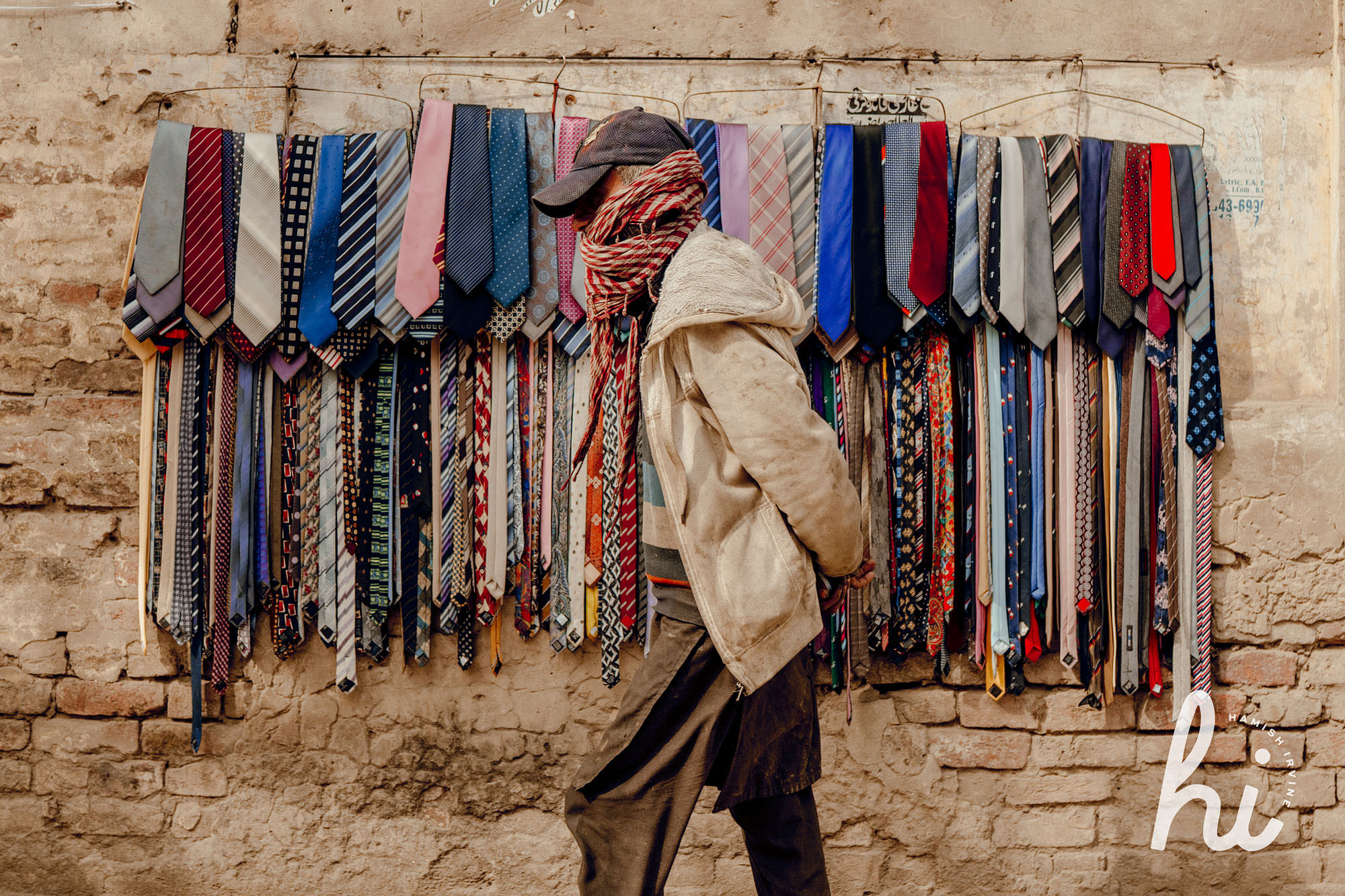
Pakistan – the most welcoming country in the world
We experienced profound kindness, a level of which I’ve never experienced in any country before.
Each day, I don’t think we we could go at least an hour without someone trying to pay for us, whether it was meals, drinks and even taxi journeys, despite us trying to pay our own way, they wouldn’t let us – we were guests in there country.
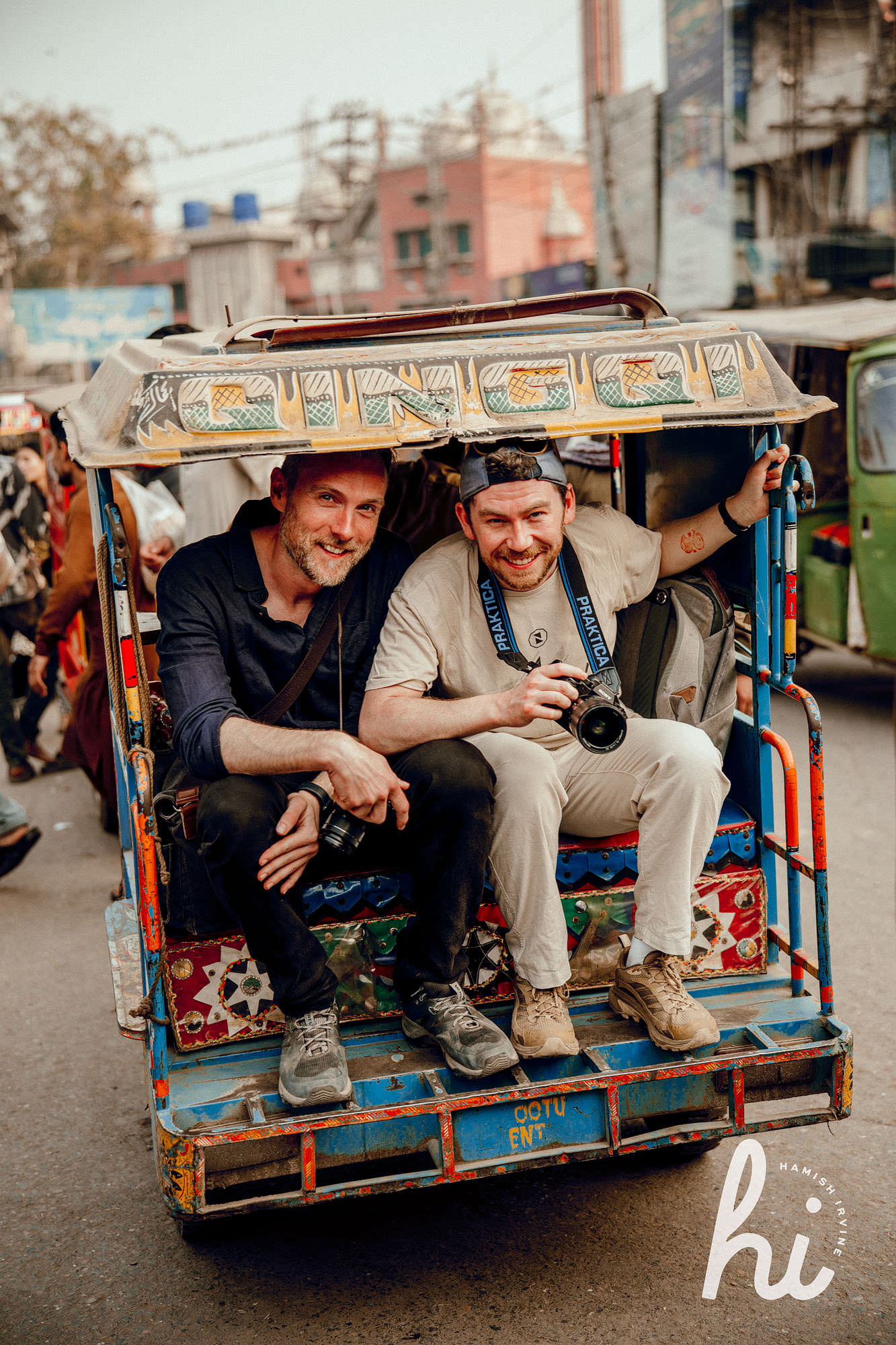
Most memorably mid-journey in a tuk-tuk, a man riding a motorbike rode up alongside us and started casually chatting (as you do at 40 miles per hour), he waved to the driver and pulled us over, paying our driver our fare out of his own pocket. As he pulled away he graciously exclaimed with pride, ‘welcome to Pakistan’.
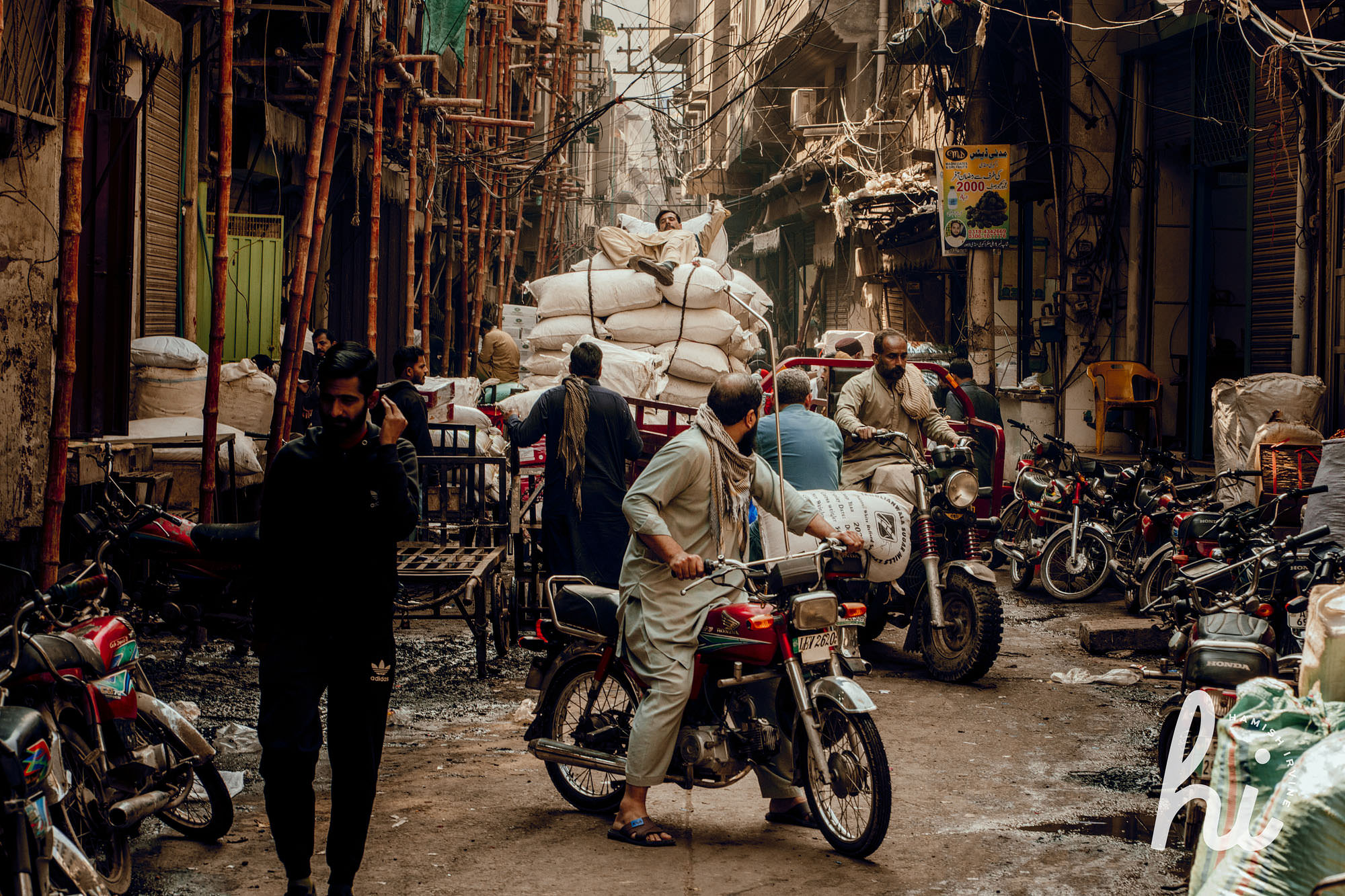
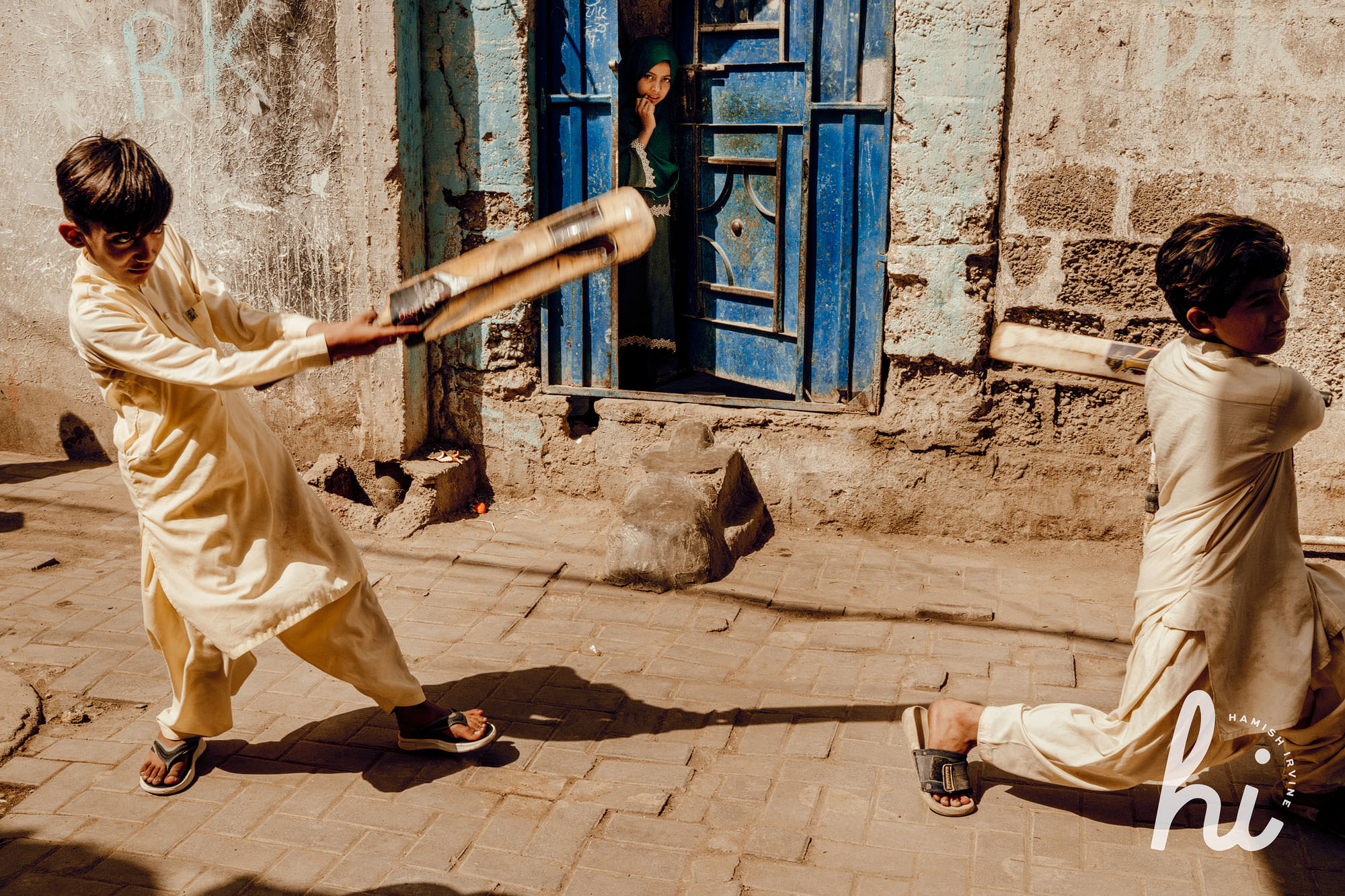
Navigating Cultural Boundaries: Photographing Women in Pakistan
Understanding and respecting Pakistani social norms was so important. The biggest hurdle I faced was around the ethics of photographing women.
It quickly became clear that my presence with a camera was making many women uncomfortable. Some would turn away, others would cover their faces, and many would simply walk in the opposite direction. The last thing I ever want to do is make someone feel uncomfortable or capture an image of someone who clearly doesn’t want to be photographed.
Three days in, and over hours of walking and photographing, there were almost no photographs of women in my work. It felt as though half of society was absent from the visual story unfolding in front of me.
I didn’t want women’s voices or experiences to go unheard. At the same time, I was moving within a culture shaped by different expectations and boundaries. In many cases I had to ask husbands for permission just to speak to their wives. Asking felt strange to me, coming from a place where that dynamic doesn’t exist, and I was declined more often than I can remember.
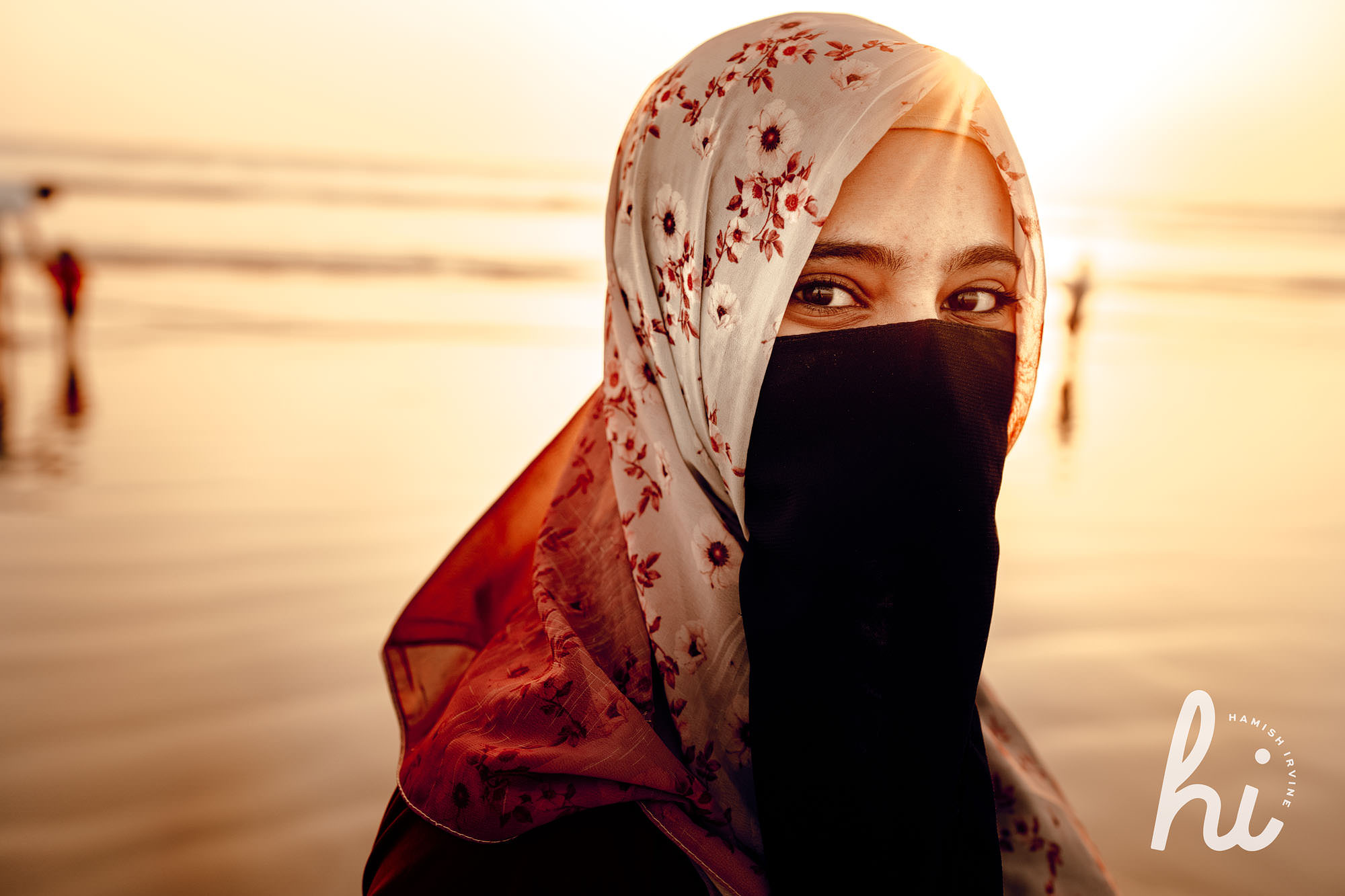
Then, on my second-to-last day in Karachi, on the beach I met a young couple celebrating their first wedding anniversary. We started chatting and I ended up taking a few portraits of them in the evening light, but for me it was incredibly meaningful.
After days of navigating these social boundaries, being trusted with that moment felt special and made me so emotional. I took a portrait of Abdullah’s wife, standing in the soft light with the sea behind her, the simplicity of the portrait speaks a thousand words. It wasn’t just about the photograph, it was about the trust that made it possible.
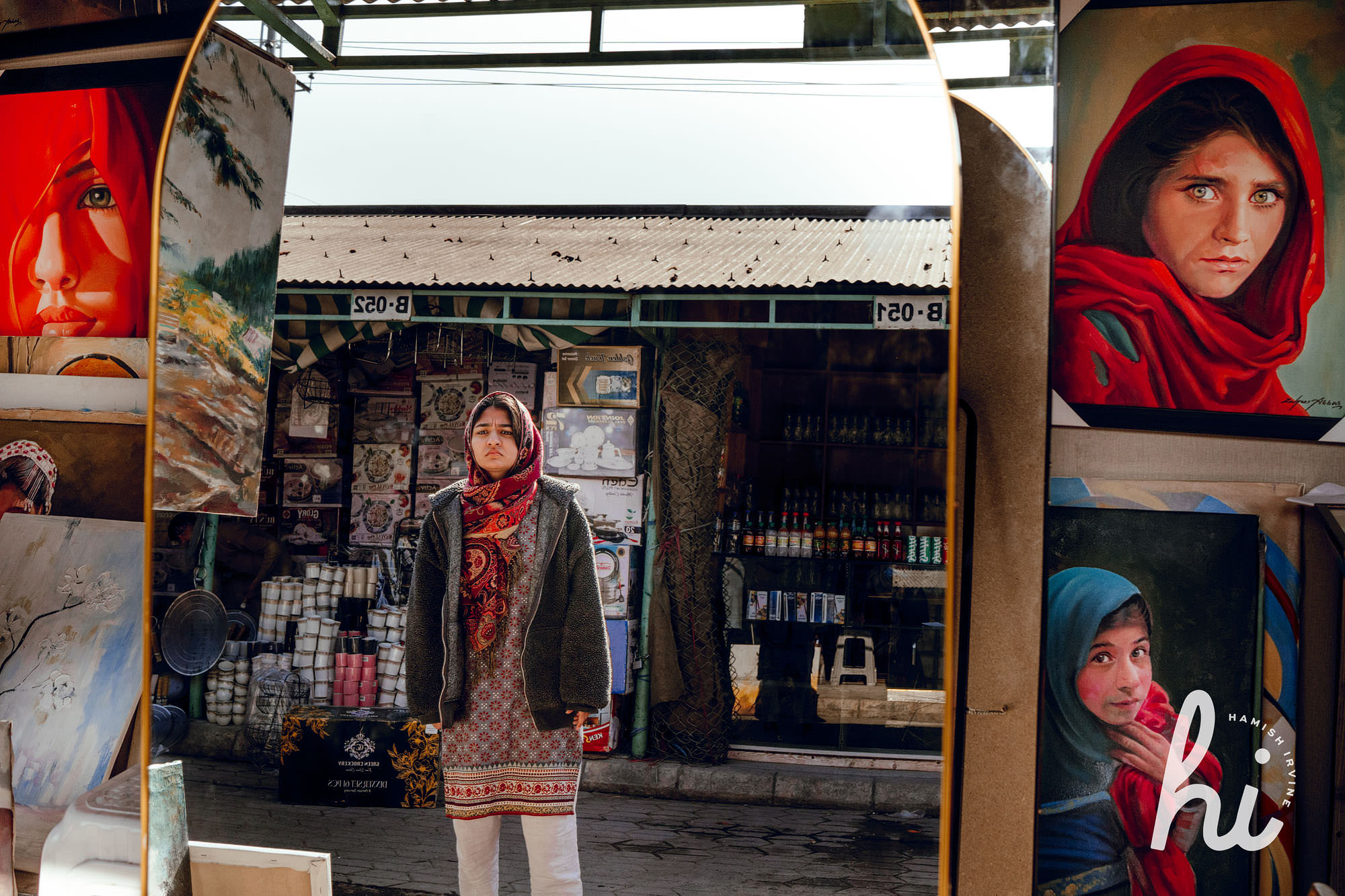
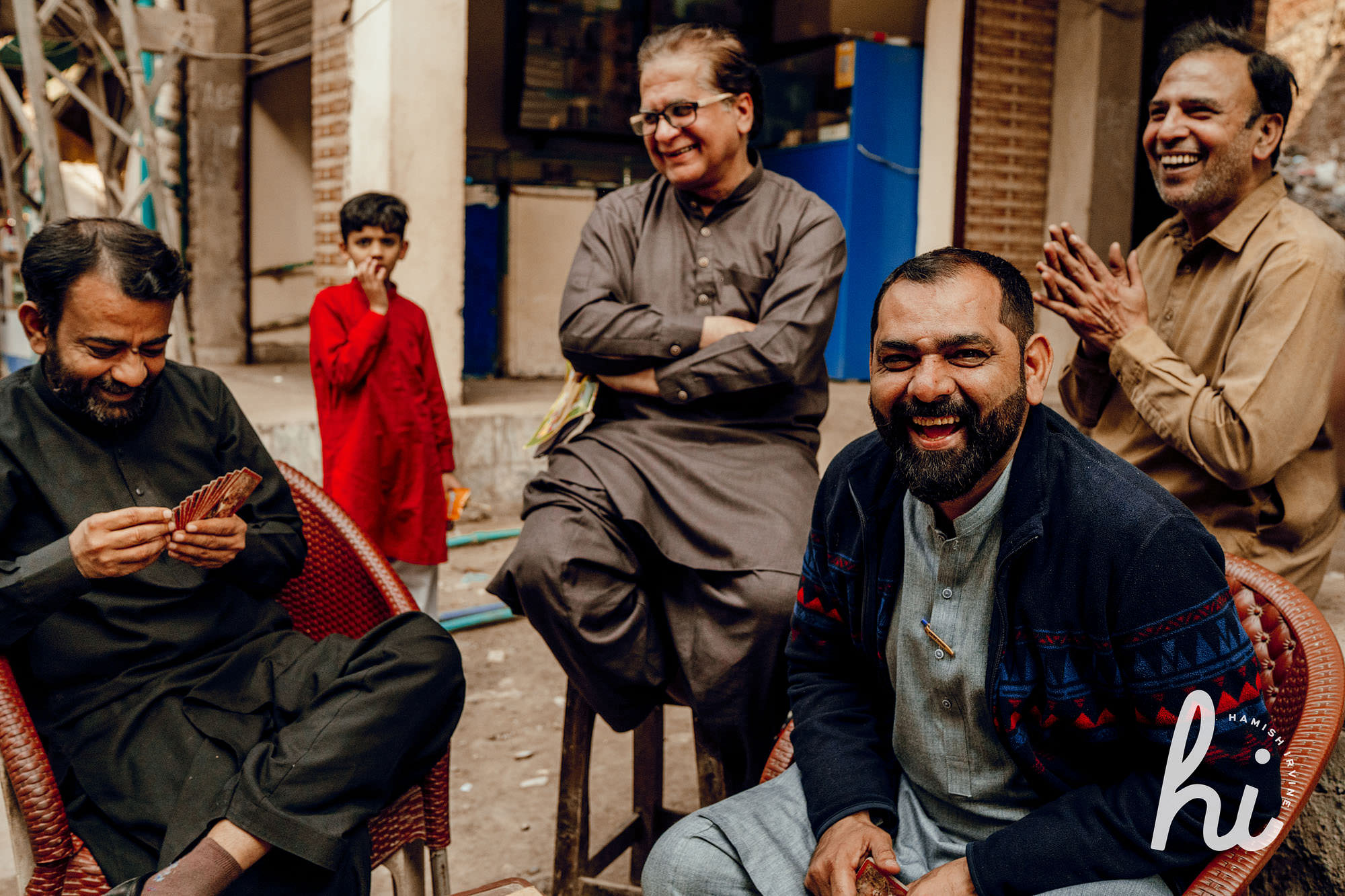
Pakistan’s gap between the rich and poor
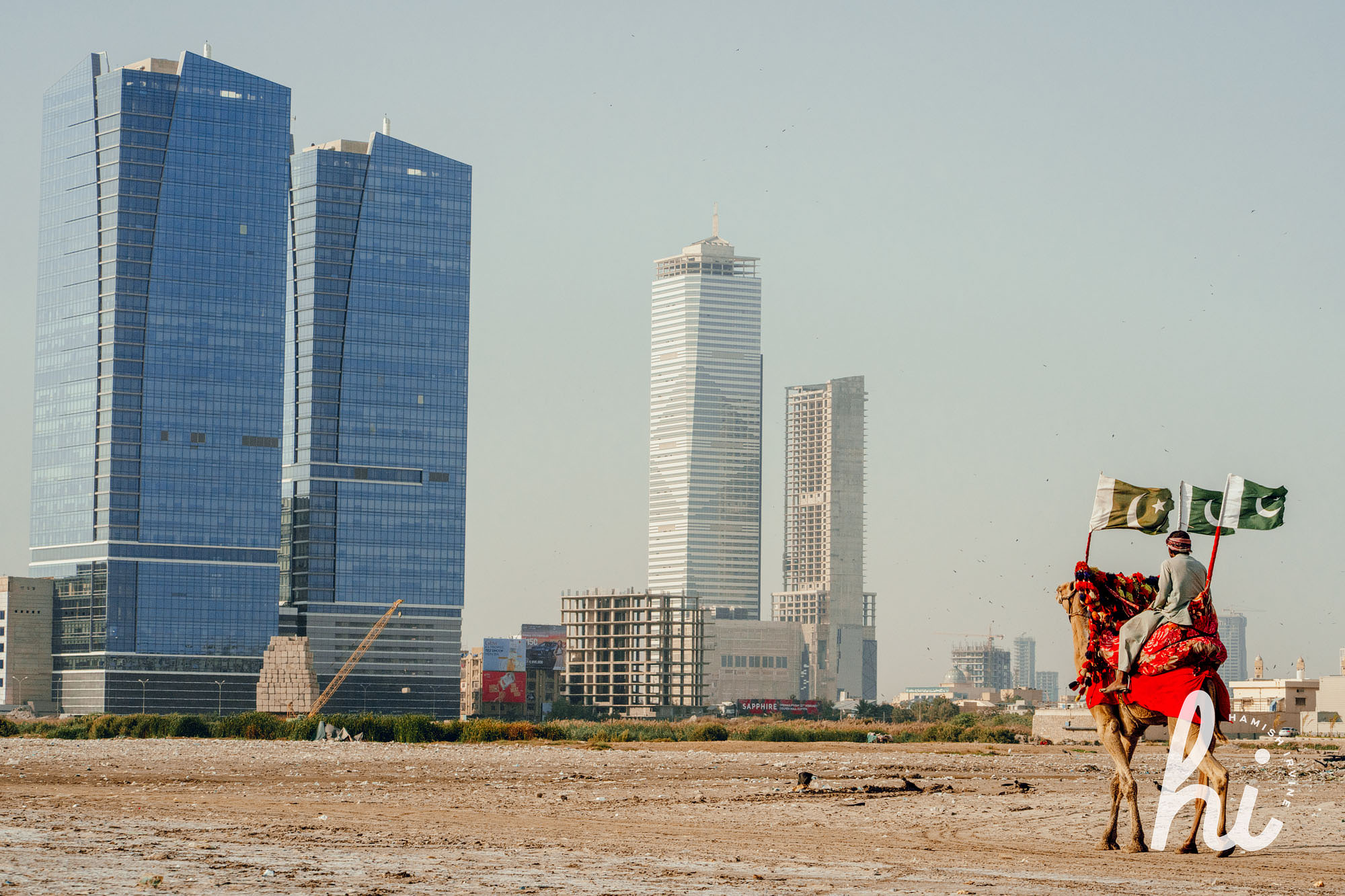
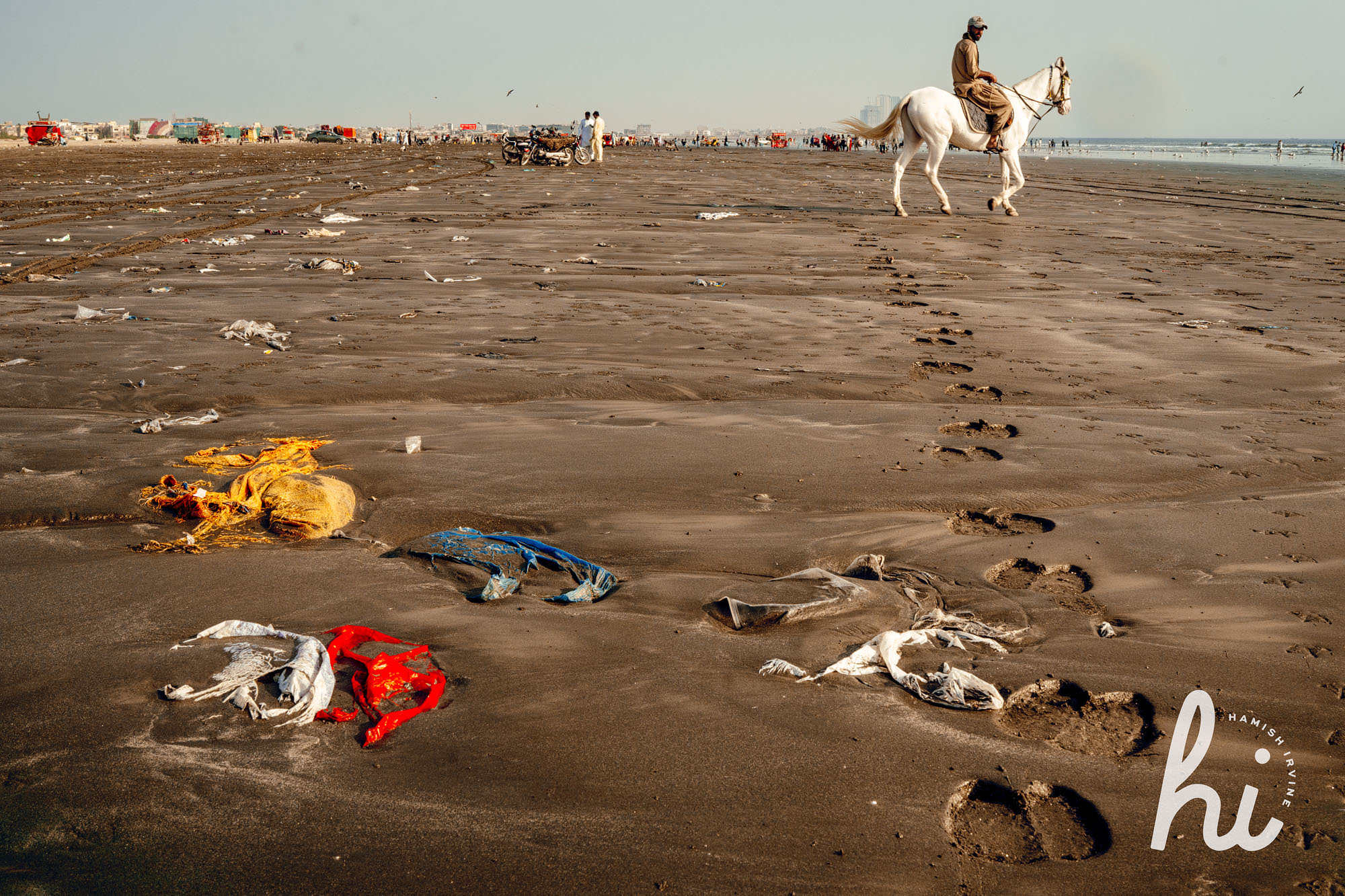
I don’t claim to fully understand the complexities of this, but from travelling around Pakistan, the disparity between wealth and poverty felt strikingly visible.
Investment didn’t seem to reach the places that needed it most, and would cost the least. Instead, it appeared concentrated where those in power chose to direct it.
A British Pakistani friend we met during the trip explained that wages are kept low by those in power, both by the government and the same people who own vast parts of industry and infrastructure. People have little opportunity for upward movement. The poor stay poor, and the rich grow richer, there’s no bridge between these two worlds. It’s a familiar story across the globe, but I don’t think I’ve seen the divide quite as starkly as I did here.
One afternoon we visited Dolmen Mall Clifton in Karachi, and it felt like stepping into another world. Just two hours earlier I’d been photographing people who had next to nothing; then suddenly I was surrounded by polished floors, luxury shops and gluttonous consumption. The contrast was dizzying.
The wealthy rarely mix with the chaos of the streets outside. It felt like moving between two completely different realities, existing side by side yet never quite touching.
I lifted my camera to capture this other side of the story, hoping to show a different angle of this complex country. Within moments security approached and told me photography wasn’t allowed. The one opportunity I’d found to show that contrast disappeared as quickly as it had appeared.
Behind the lens in Pakistan – our experience was different to what’s in front of the camera
Stepping into the arrivals hall at Islamabad, there’s a wide open catwalk to the exit – hundreds of eyes waiting for relatives stare at you from every angle. This would become a familiar feeling for the following 12 days. We saw enough tourists to count on one hand the whole trip.
Creating documentary-style photography becomes difficult when your presence alone draws so much attention.
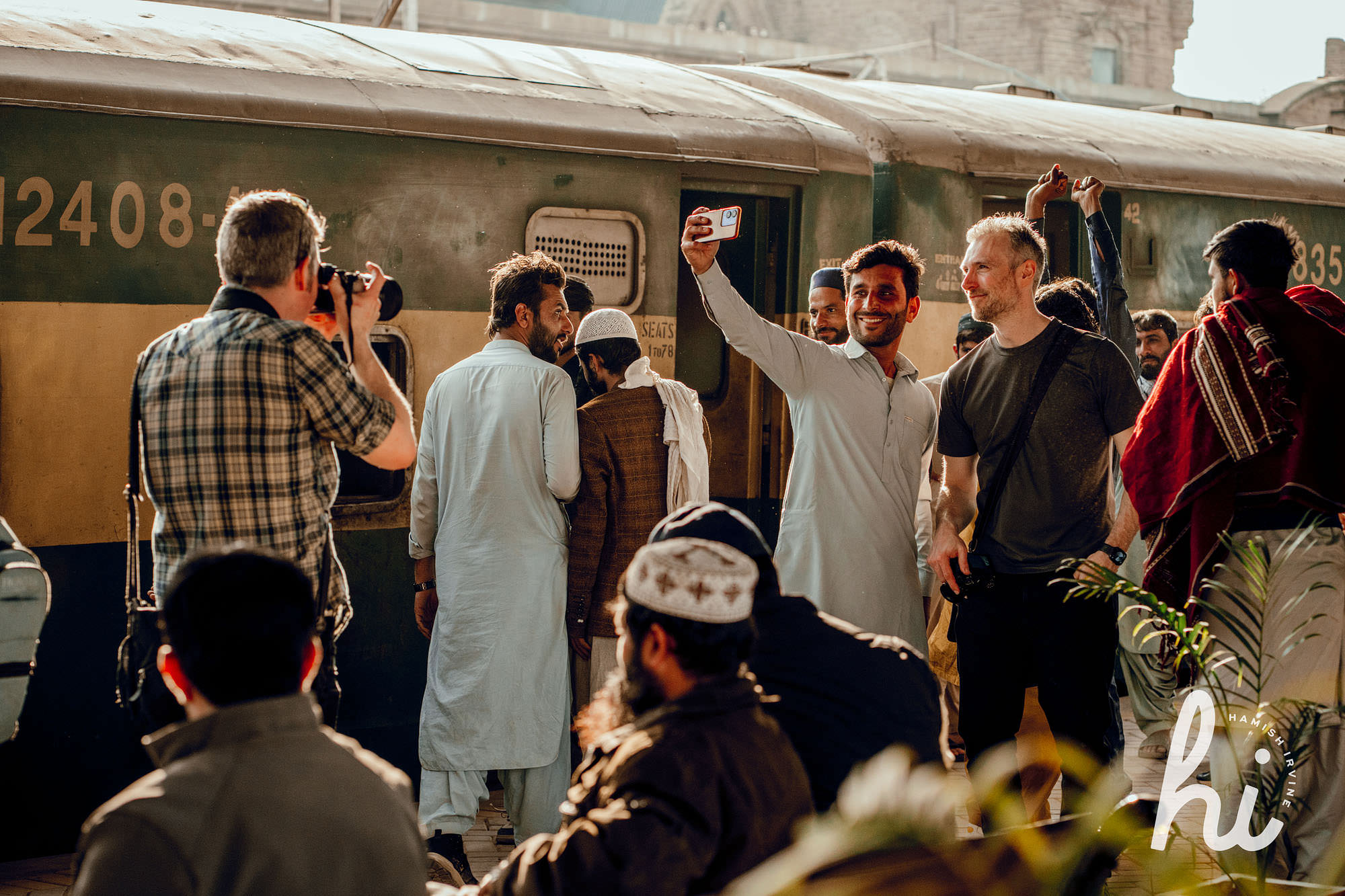
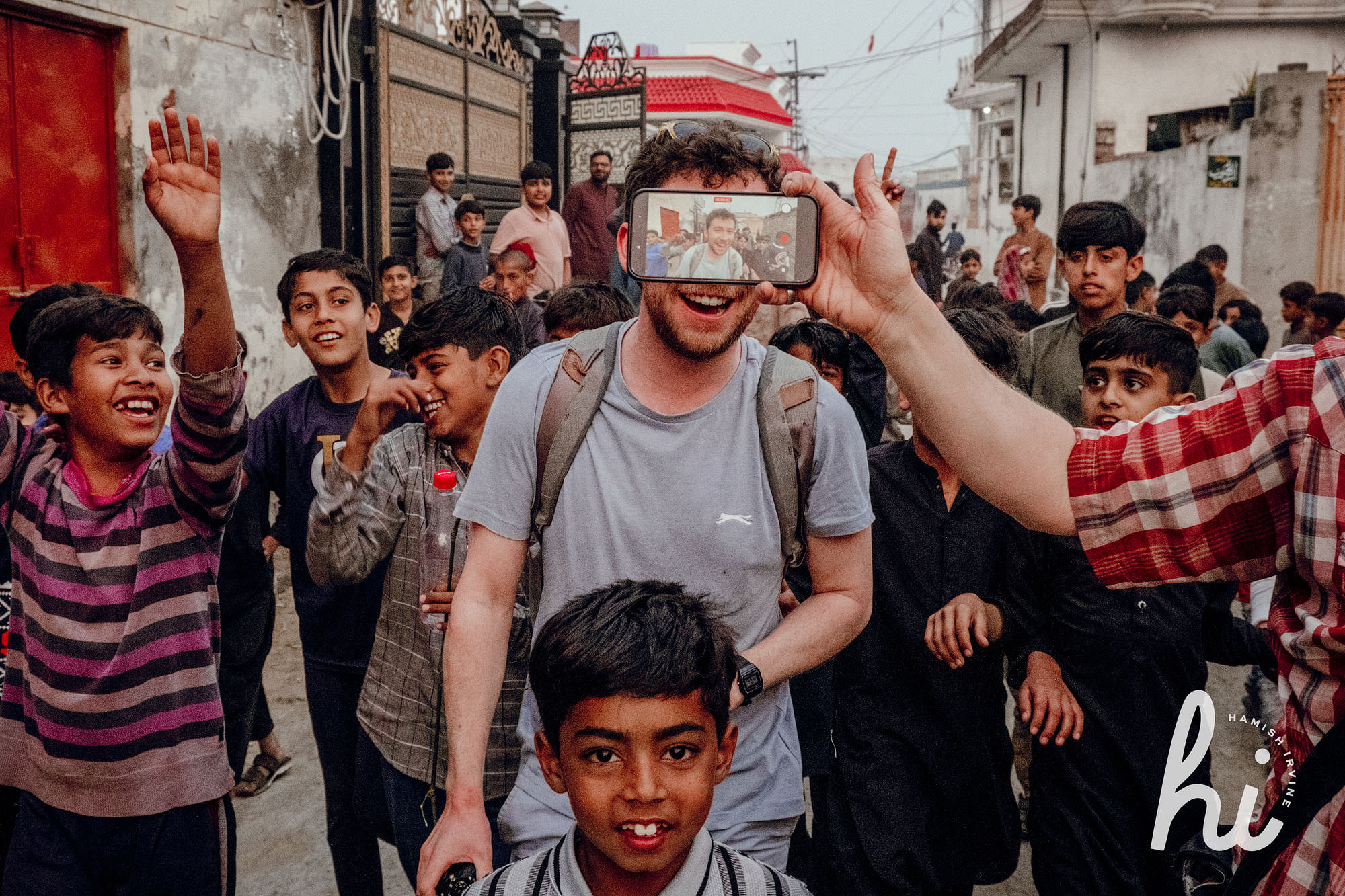
Behind the camera, there was a lot of entertaining that attention – taking endless selfies, being asked if we were YouTubers (this one was so common!), suddenly being surrounded by a crowd of people all wanting to meet you. In one village we attracted a horde of excited kids, following us like we were pied-pipers.
It took a lot of patience to either push through, or move to a different location. Each country I’ve photographed has it’s challenges, and this was a big one in Pakistan.
Pakistan street photography during Ramadan
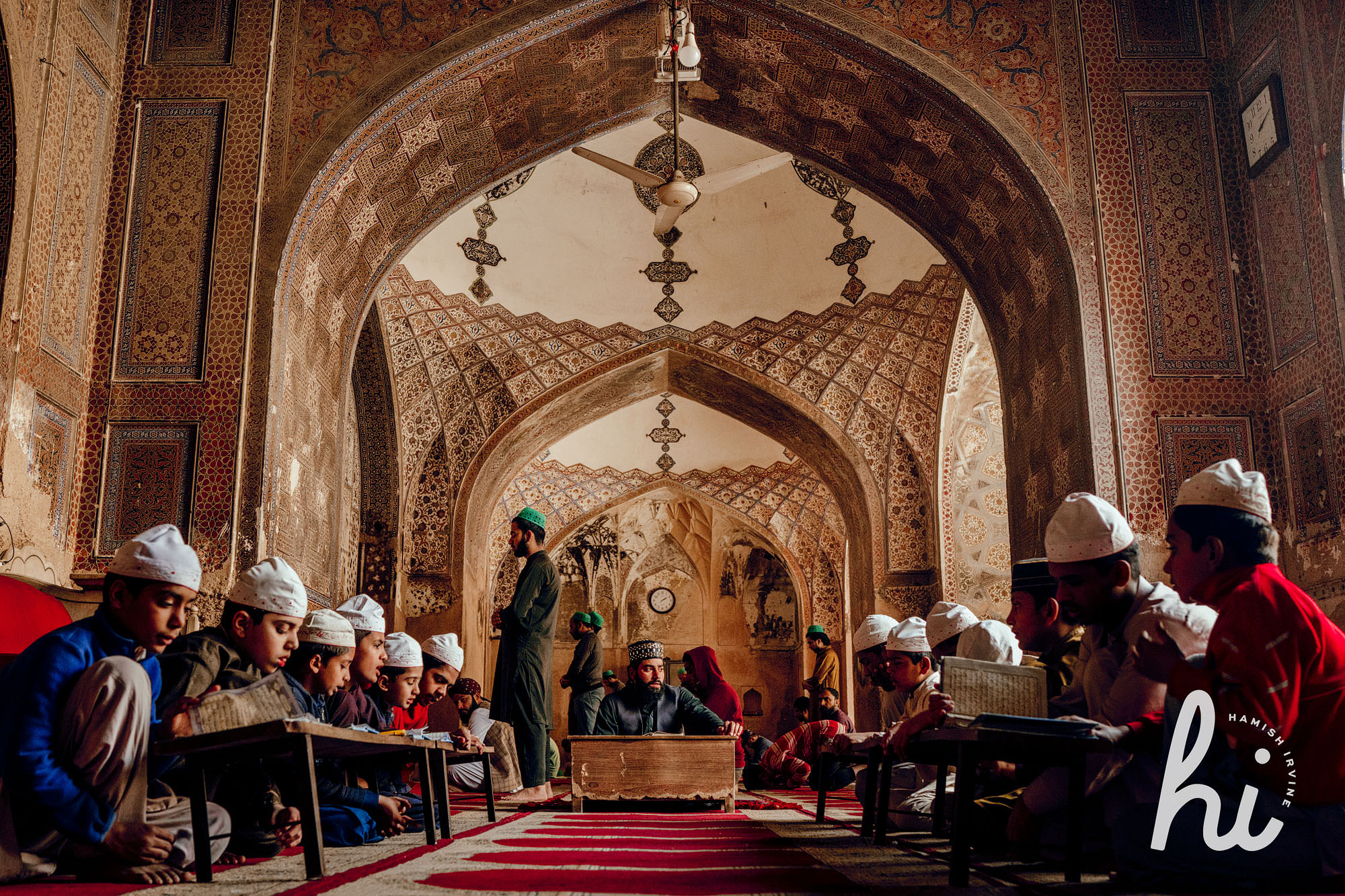
Five days into our trip, Ramadan started. As non-Muslim visitors, we weren’t sure how this might impact us, but it only made the experience more interesting.
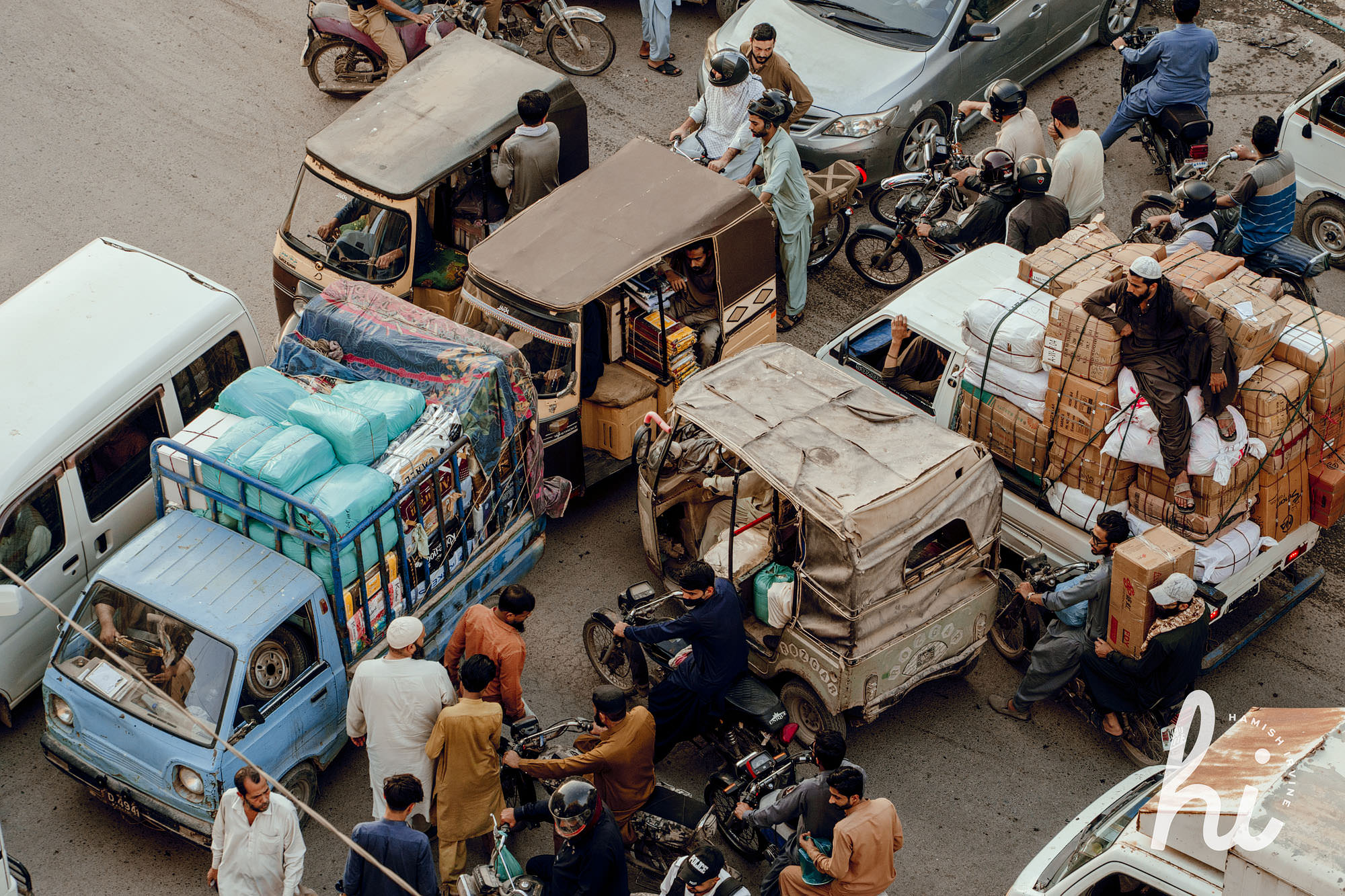
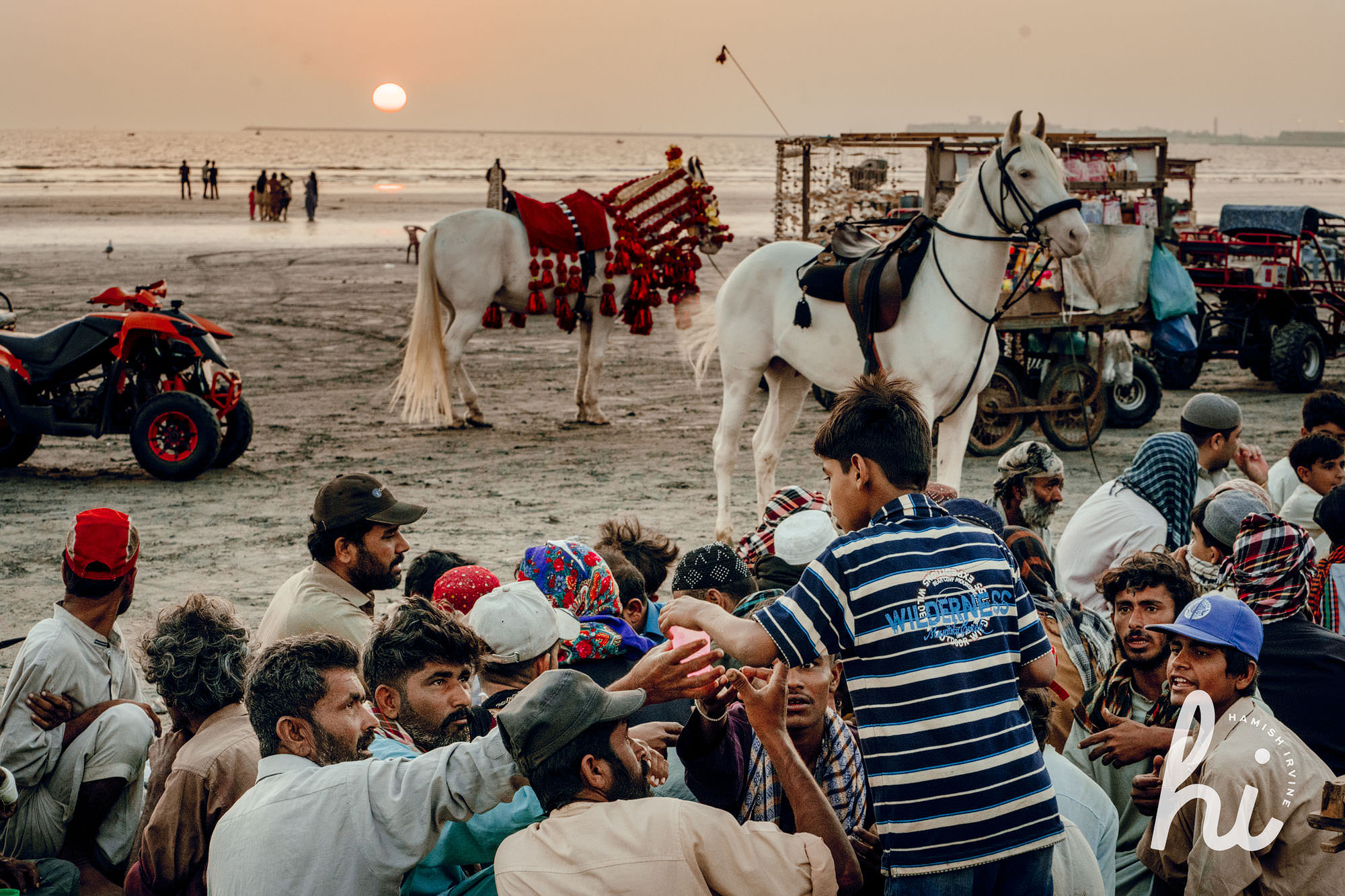
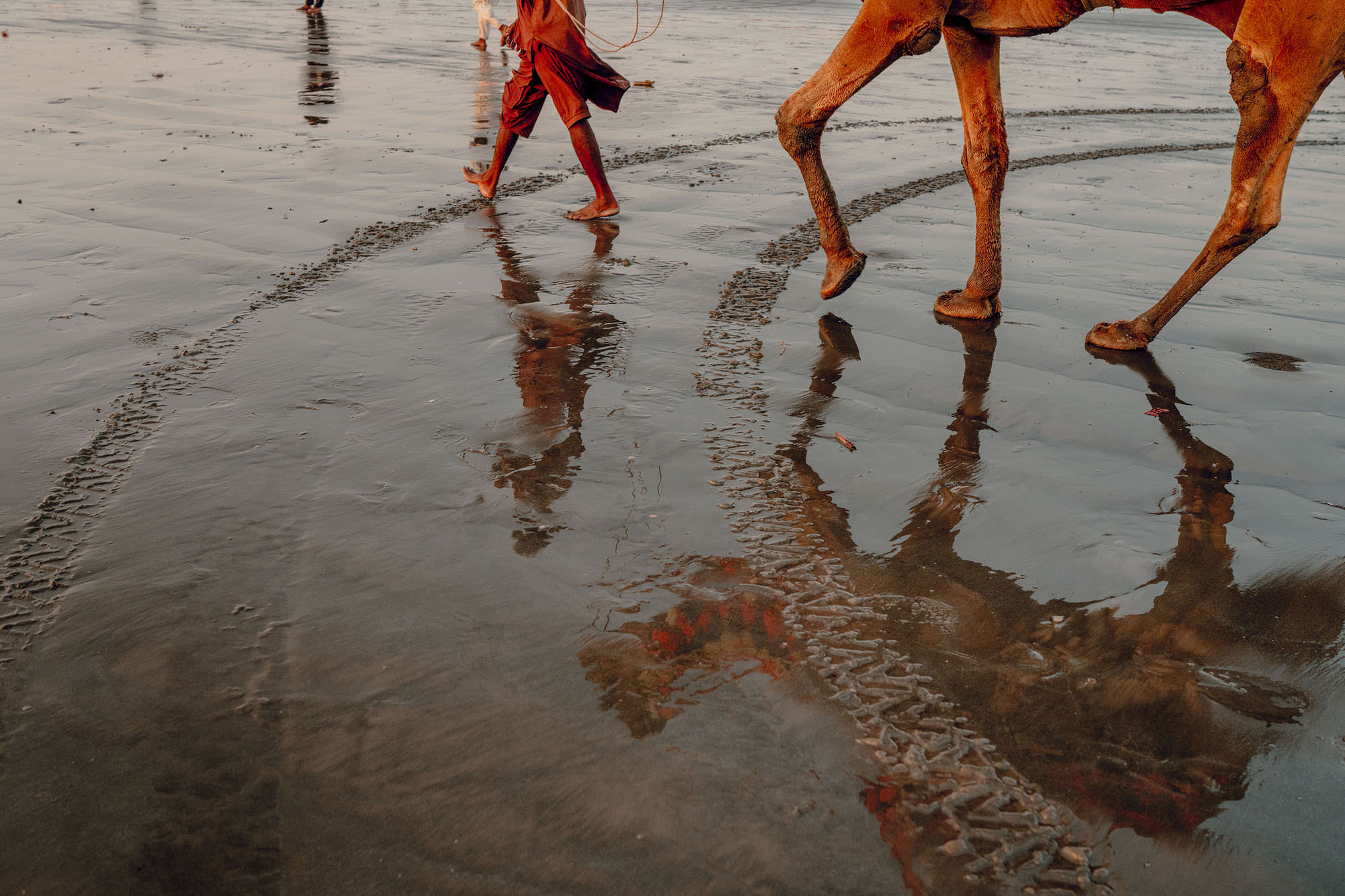
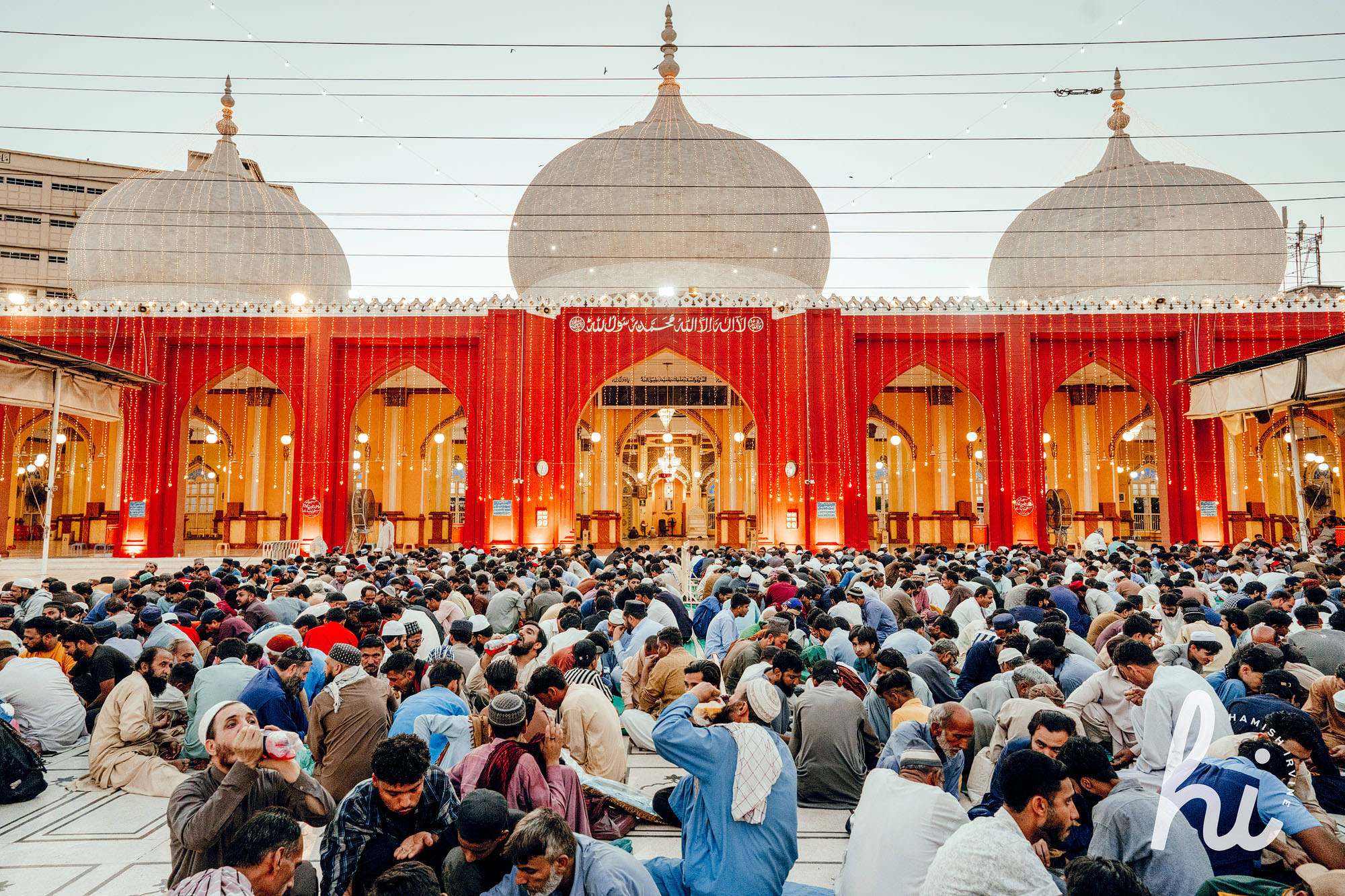
I found myself sharing meals with camel owners on Karachi beach, joining hundreds at a large mosque, and even breaking fast in the back of a car stuck in traffic as everyone rushed home. The streets came alive as the day progressed, the entire day and night’s order had reversed. The energy and movement intensified as people prepared to break their fast.
The devotion and closeness to God it inspires is palpable. Ramadan made Pakistan feel even more welcoming and spiritually warm. There was a shared sense of purpose, it was really magical.
The media’s appetite for Pakistan negativity.
The media’s myopic view of Pakistan is frightening; it has little appetite for positivity, only fear.
I quickly learned that fear often wins in Pakistan – even before we arrived, fear almost stopped us from making the trip ourselves anyway. Was that fear a reality? Not for us, but it manifests itself differently.
I was astounded how in almost every other conversation, someone would mention their Leo and support for Imran Khan ‘the saviour of Pakistan.’ But there seems no hope for his release, no social justice, no movement. I was in disbelief no-one I met felt they had any social power to challenge the government’s blatant lies. Despite millions supporting Imran Khan, it is believed no-one can do anything. Fear, again, seemed to win, there is little to no hope for his release.
I left Pakistan seeing the potential for greatness, but those in charge rule with an iron fist, and will keep it that way using fear. But I was proud to show the love on the ground between real people, and show the brighter reality for millions of Pakistanis.
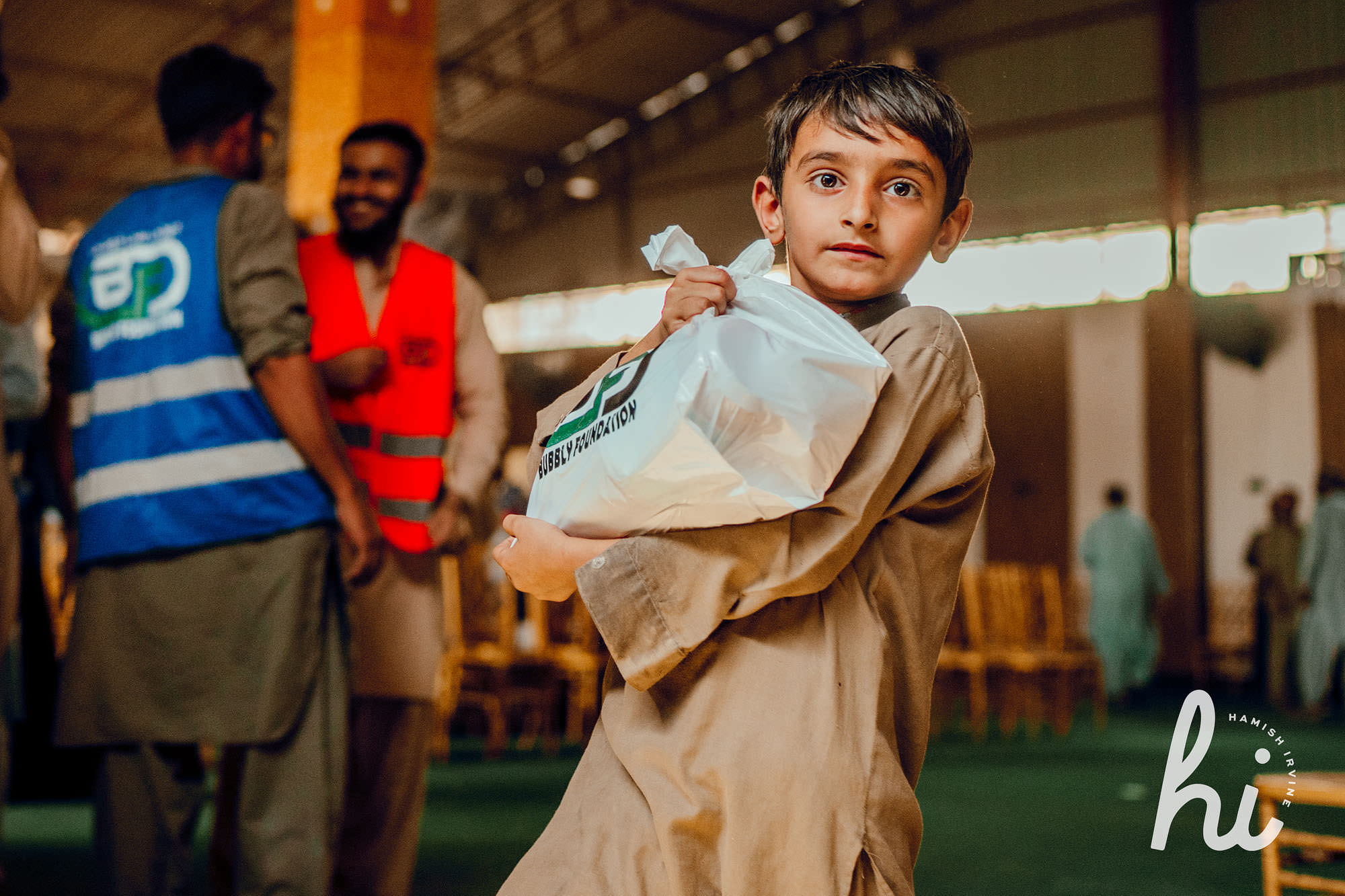
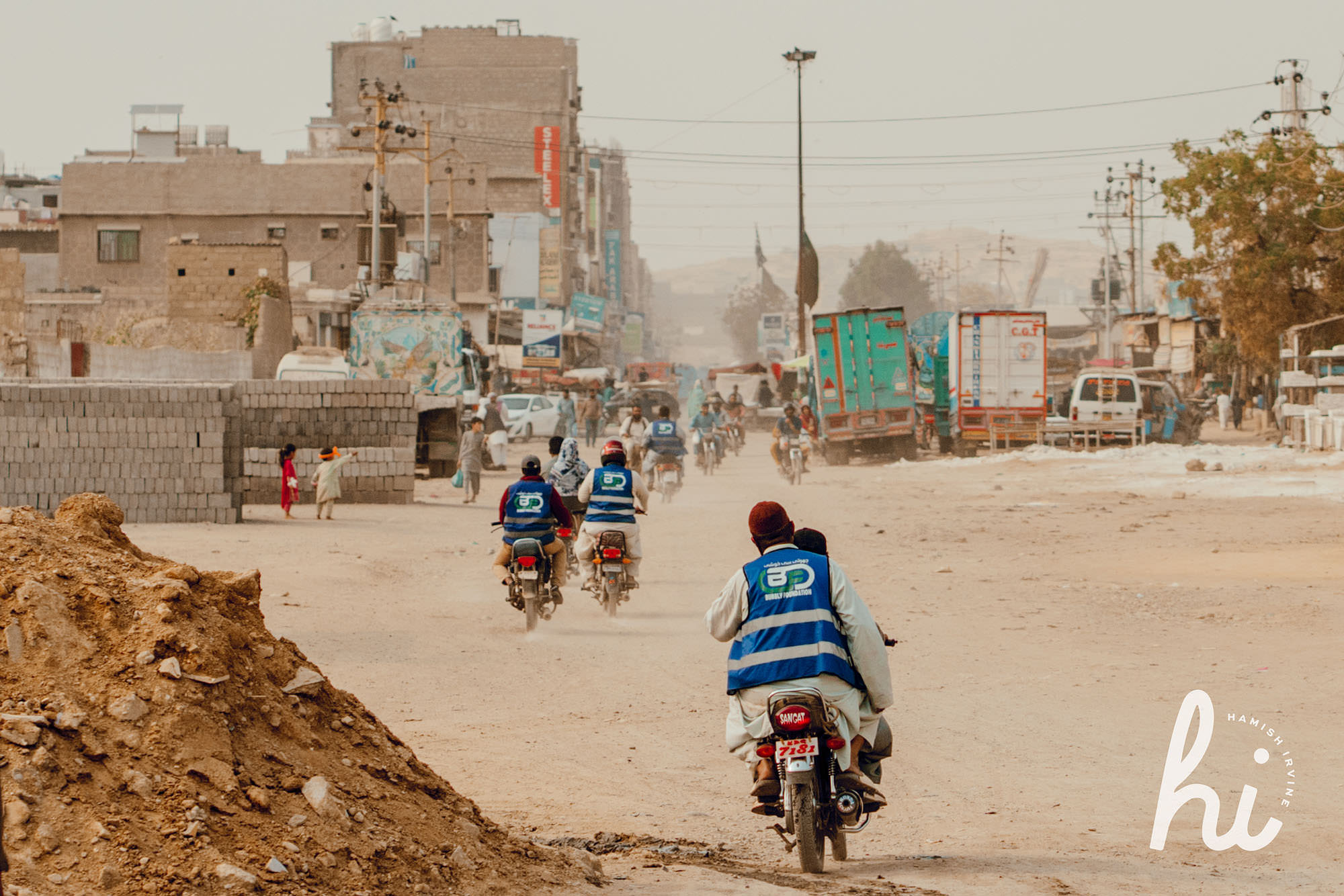
The Bubbly Foundation – a day spent dropping aid to Karachi’s most in need
Sometimes maybe it’s just meant to be when your paths cross with strangers.
I was in the Dolmen Mall, having just been told to stop taking photographs. But when one door closes, another opens. I overheard some British accents, got chatting and found they run a charity called the Bubbly Foundation, raising money to deliver aid to some of Karachi’s poorest communities.
I was keen to get involved and give what I could back after feeling like I’d taken so much in my photography. On my final day in Pakistan, I went with the team to photograph their last day of a whole week of aid distribution.
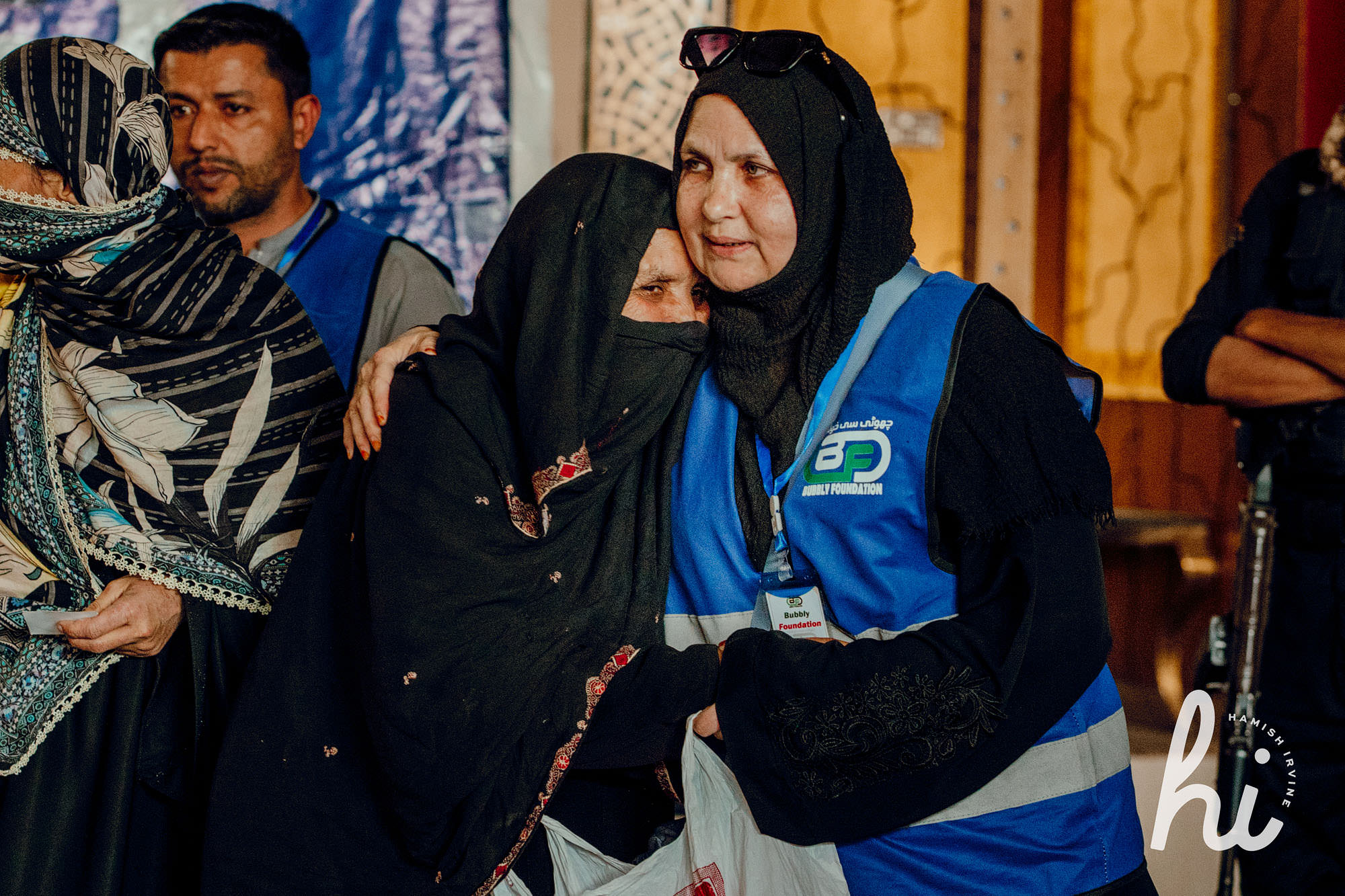
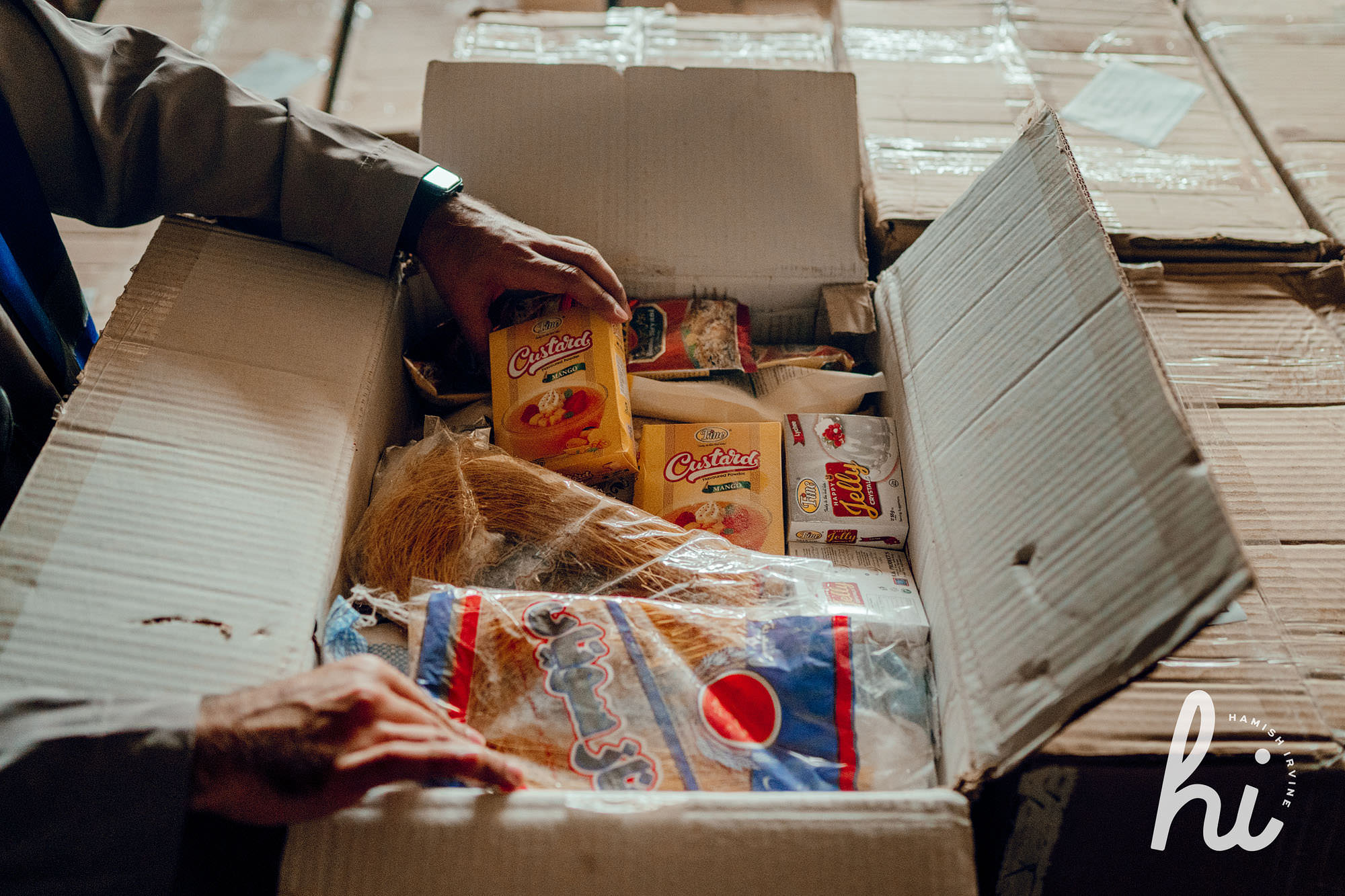
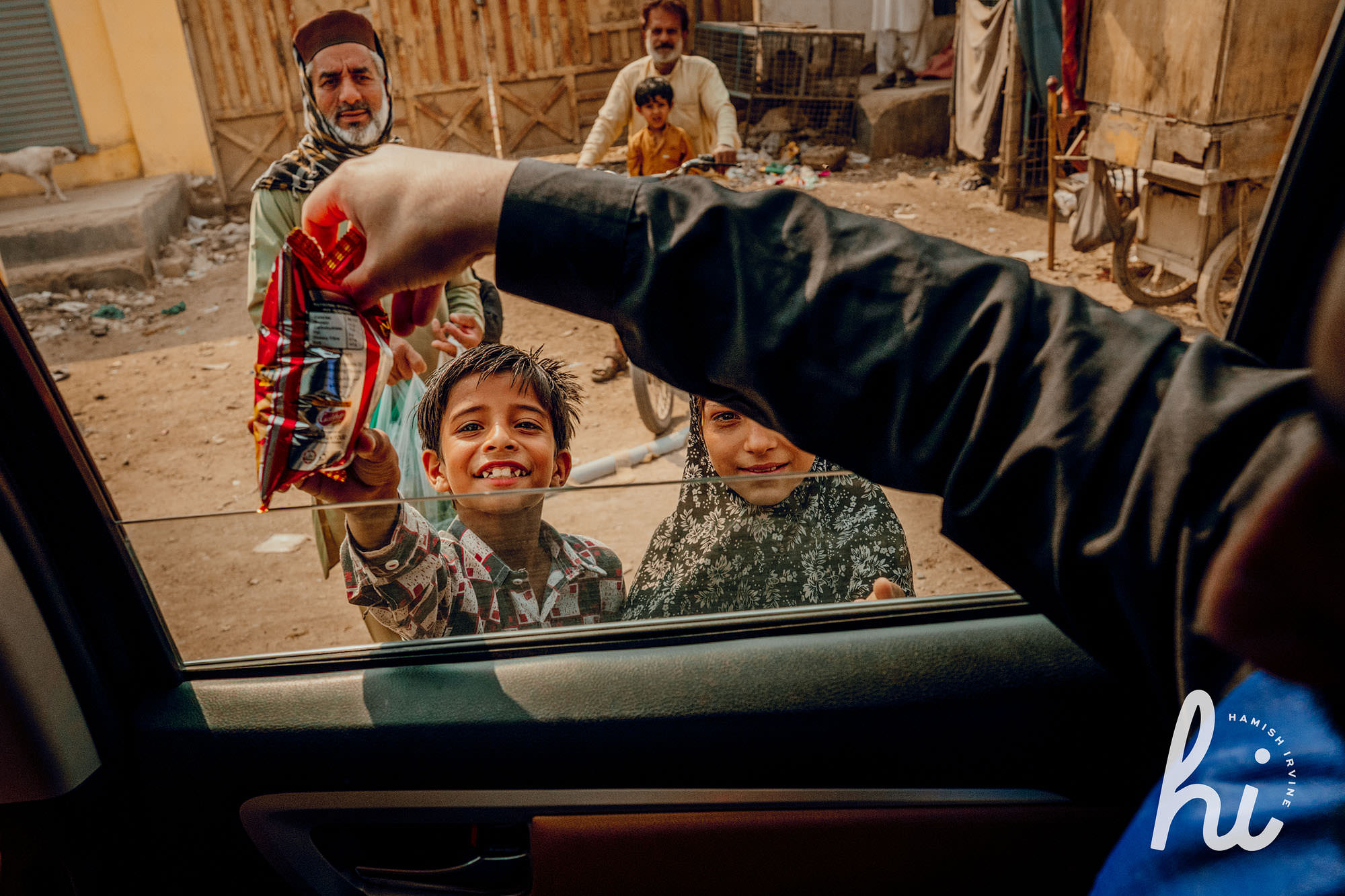
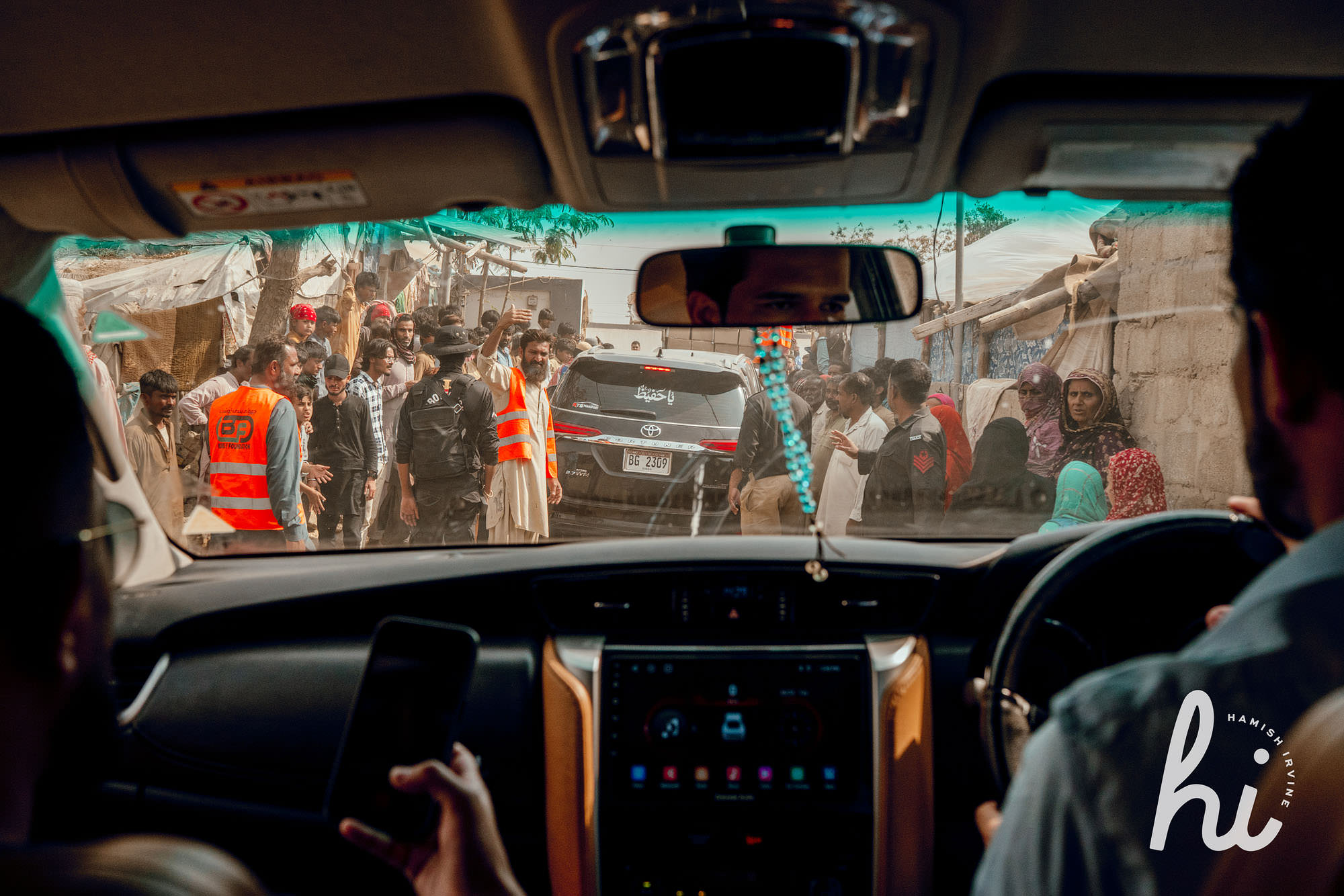
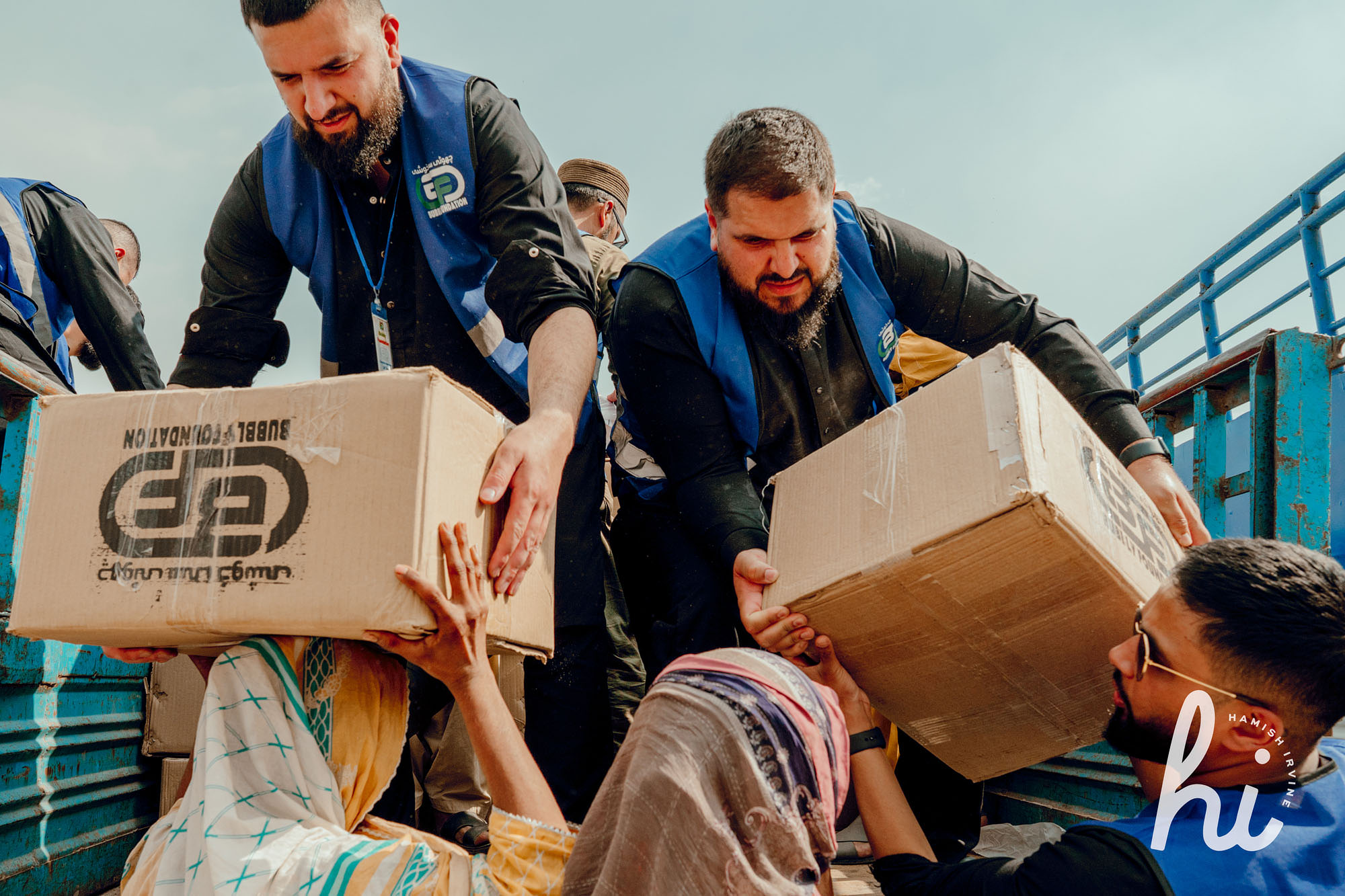
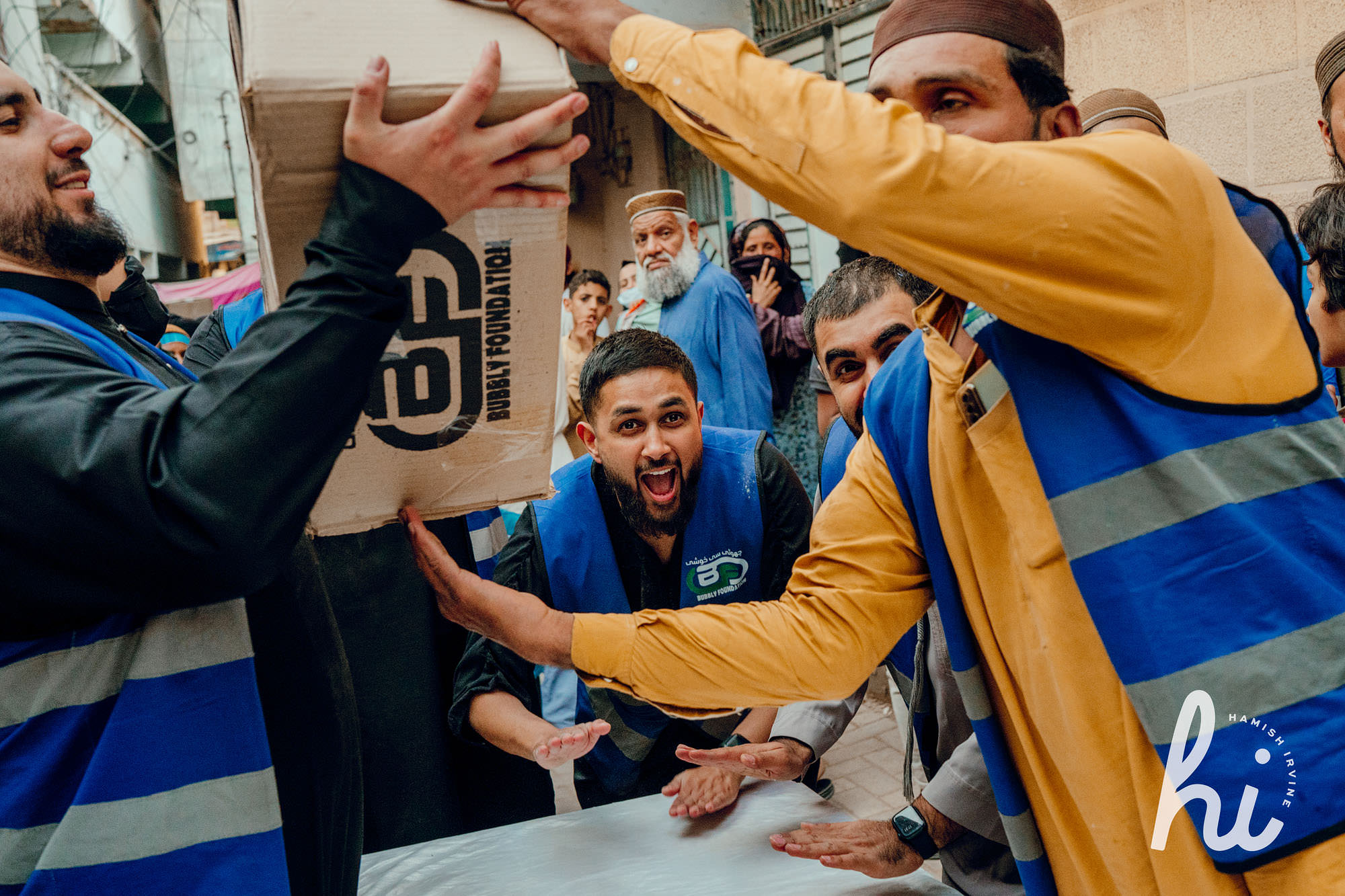
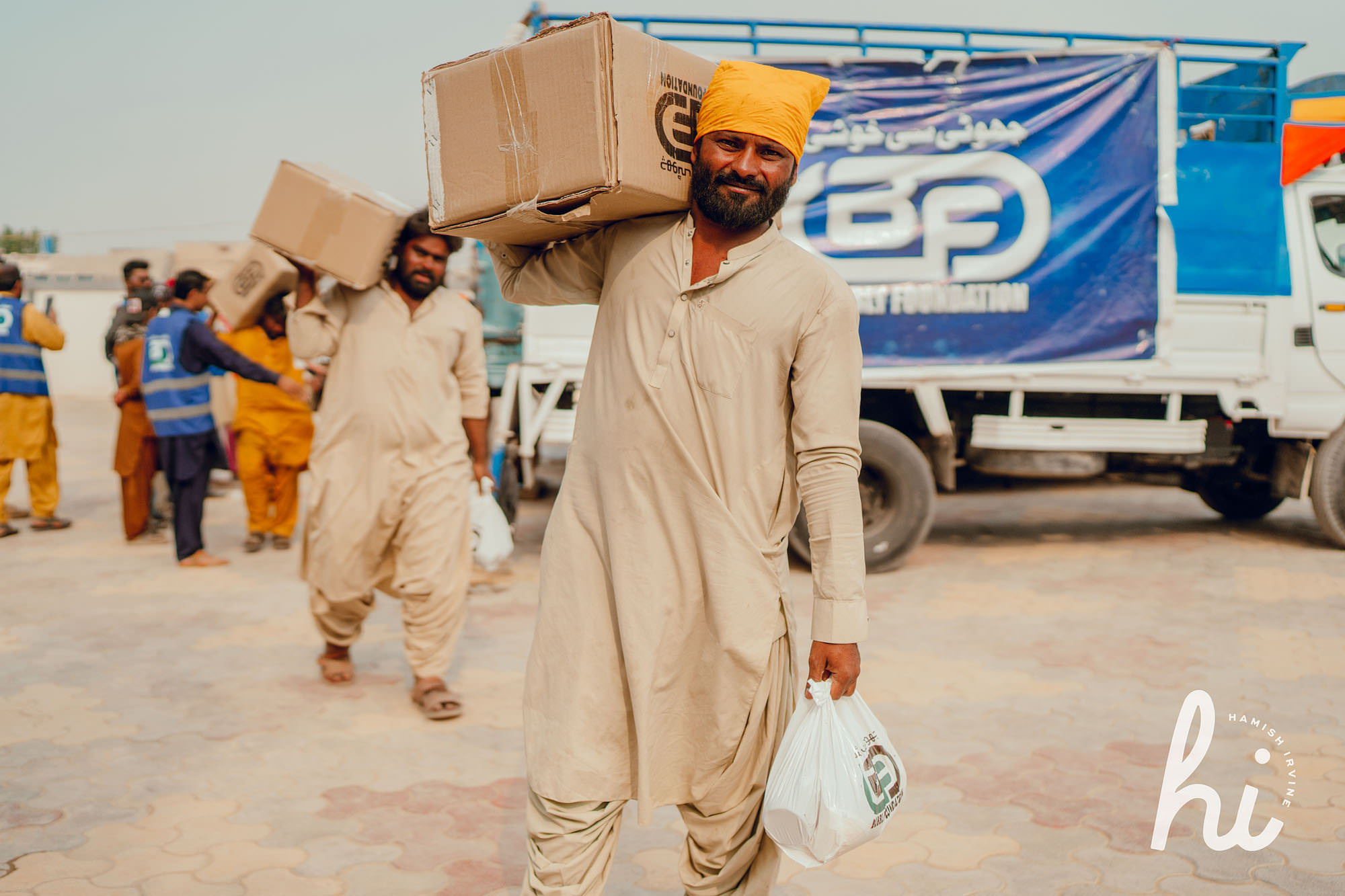
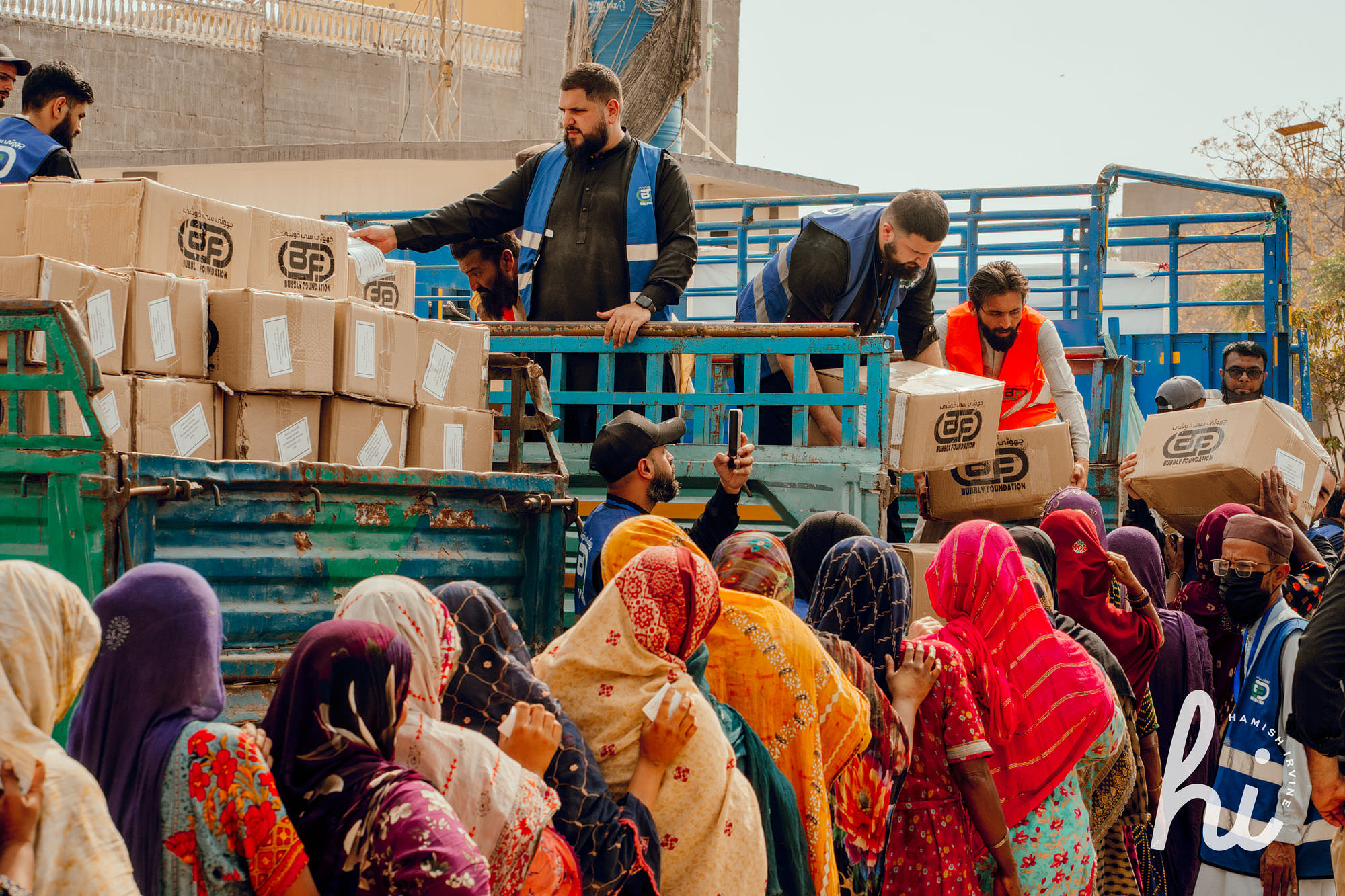
This being their third year in a row, its a huge operation – money is raised in the UK with every penny going to purchasing, packing and distributing thousands of 25kg boxes of aid full of essential supplies. Protected by armed security guards, and a small army of volunteers to hand box upon box out to people selected from communities who seriously need it most.
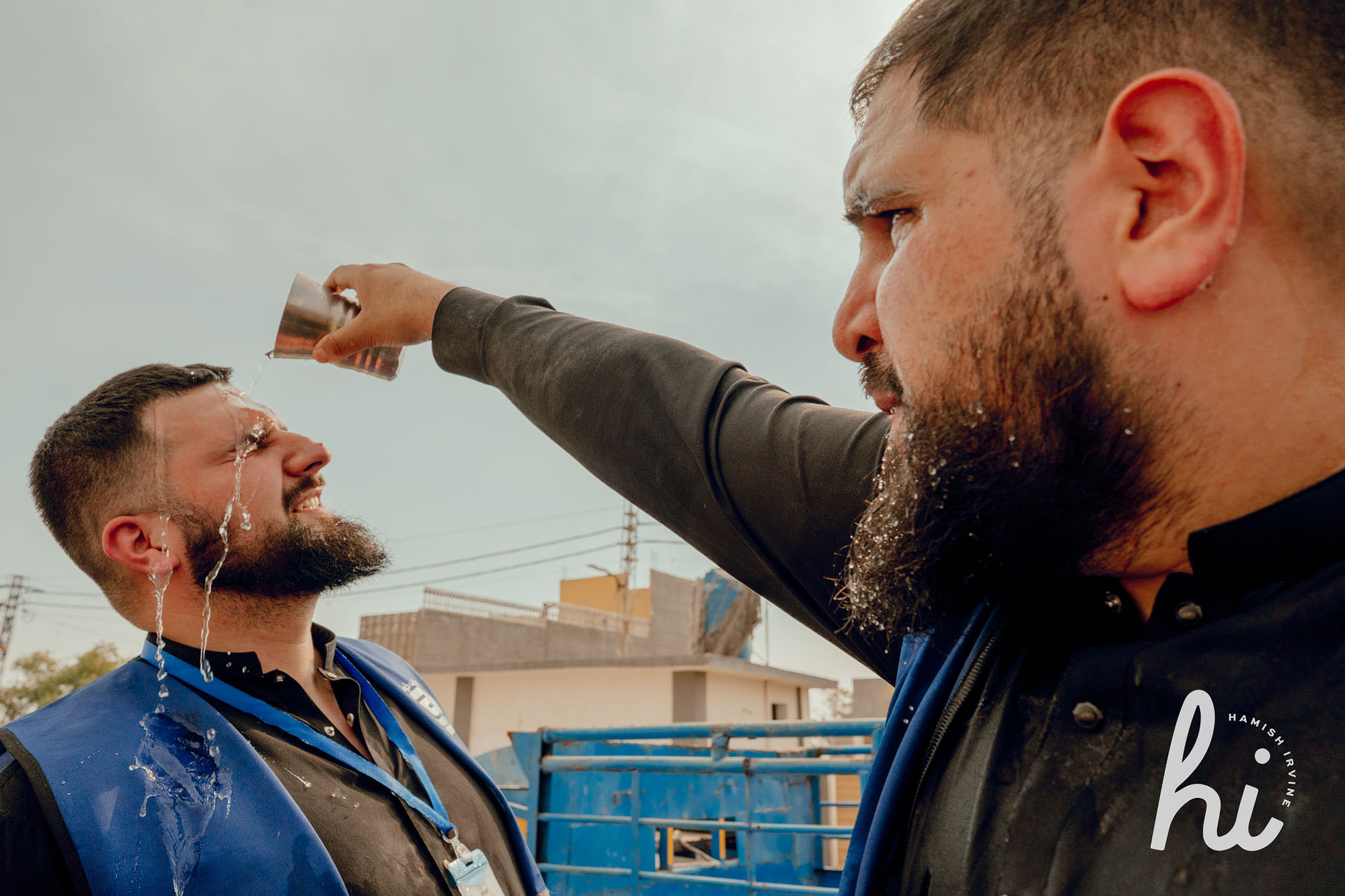
The ten Brits from across the UK managing the charity put in an impassioned effort to help as many people as they can over the week they’re out there. In the blazing Karachi sun, passing out heavy boxes at pace from trucks, it’s back-breaking work whilst fasting – no food, no drink – on few hours sleep. It’s a task few would take to here in the UK.
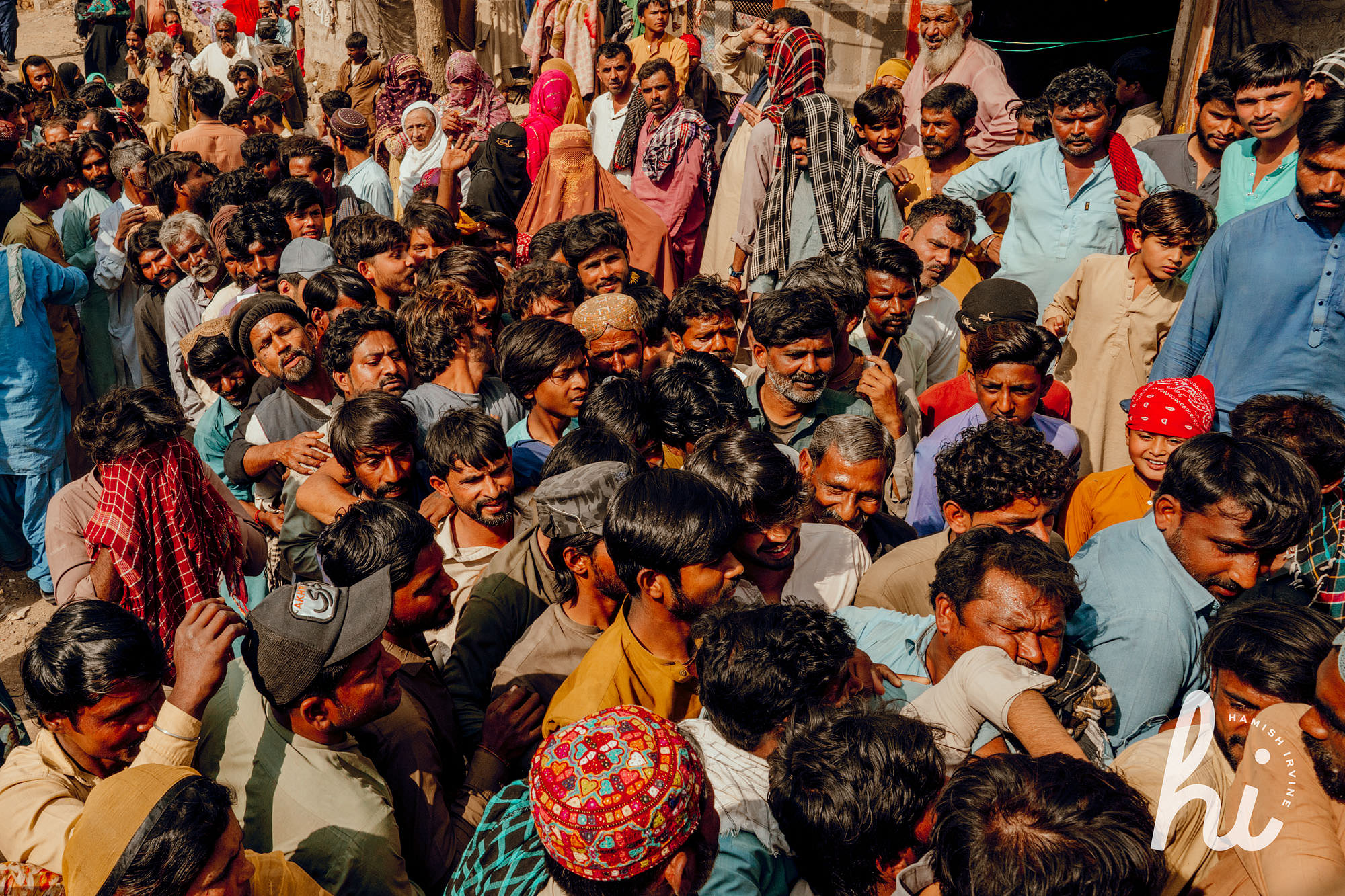
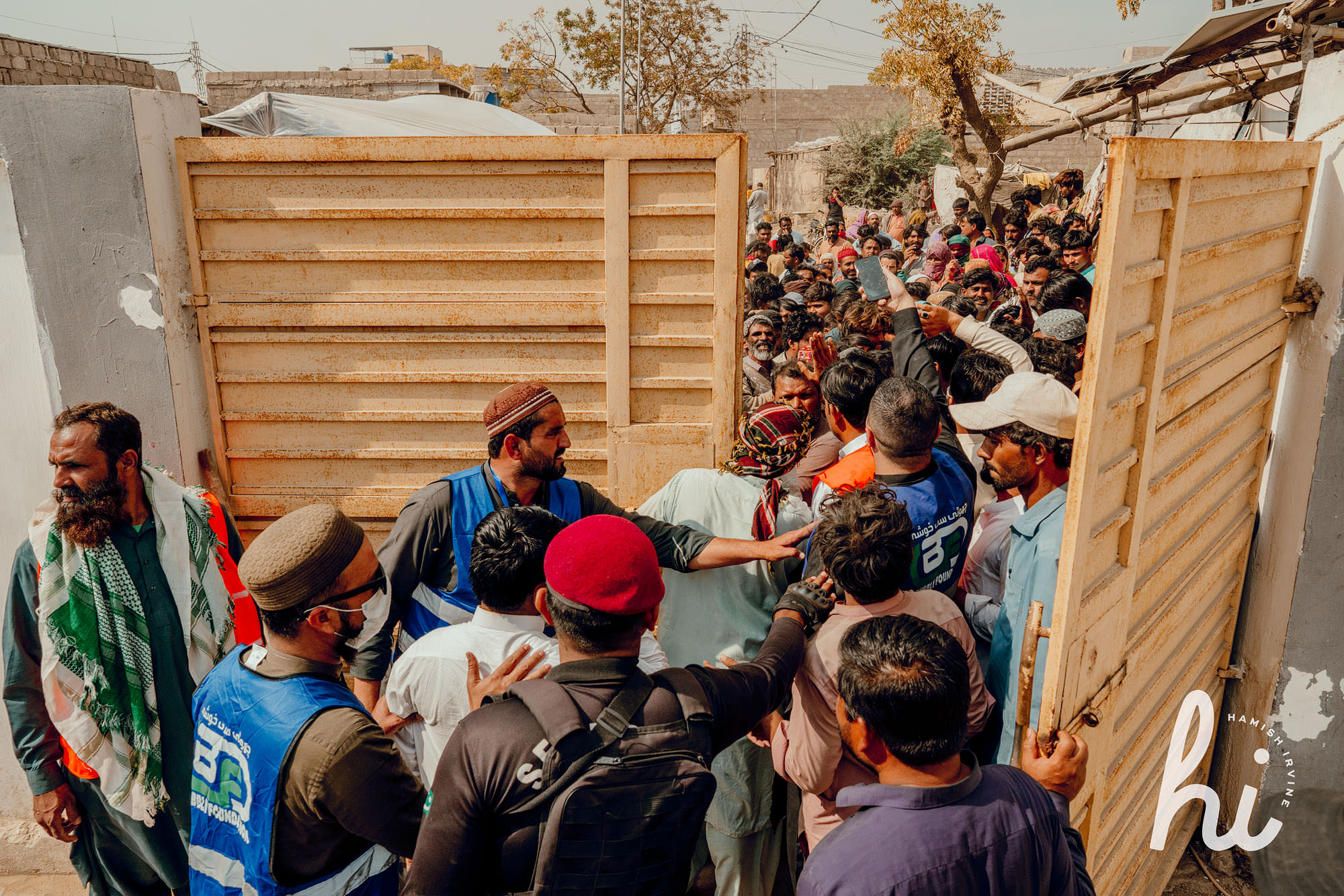
Many of those receiving aid are single mothers, of which there are thousands in Pakistan. On the second of the aid drops in a Sikh and Hindu community in Karachi, where people neglected for their religion are some of the poorest, the aid-drop was intense. A surging crowd pushing against gates to get into the compound were just held back by the guards and volunteers. This wouldn’t be the first time a crowd would have gotten in, the Bubbly Foundation having had their truckload of aid looted the first year they went to this location.
The almighty effort put in the Bubbly Foundation to help as many people as possible was a beautiful show of humanity – I was so fortunate to close out an eye opening trip with the team.
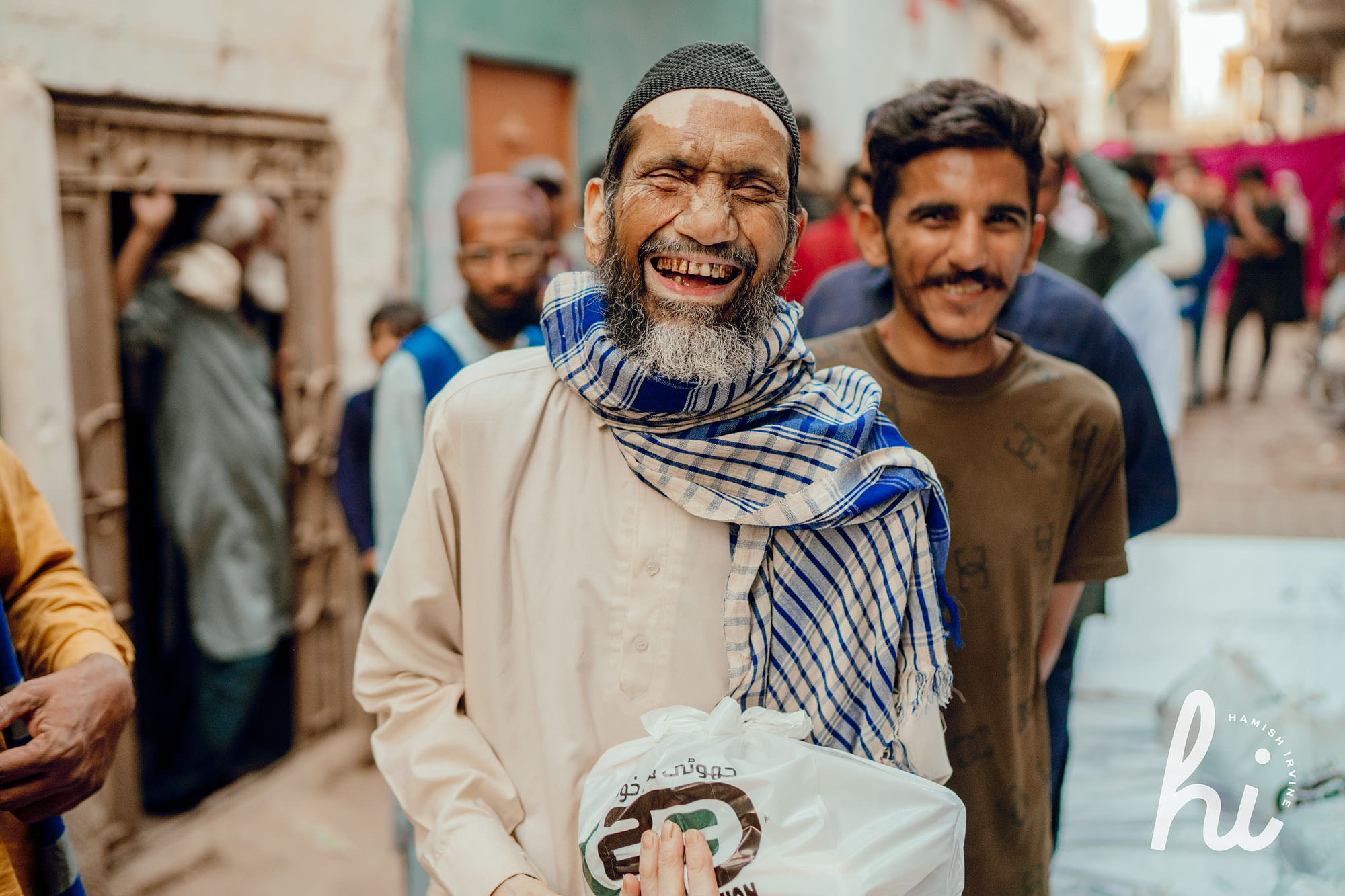
I was handing out bags of aid and an elderly gentleman, a man I would never have come across was next in line. I handed him the bag and the connection between us was made. His eyes glistened with tears. He smiled, I smiled and we embraced. He raised his hands to Allah with joy and gratefulness, and I raised my camera and captured the most meaningful photograph of the trip for me.
I’m so grateful I had the opportunity to capture and share their story. You can find the Bubbly Foundation on instagram and TikTok.
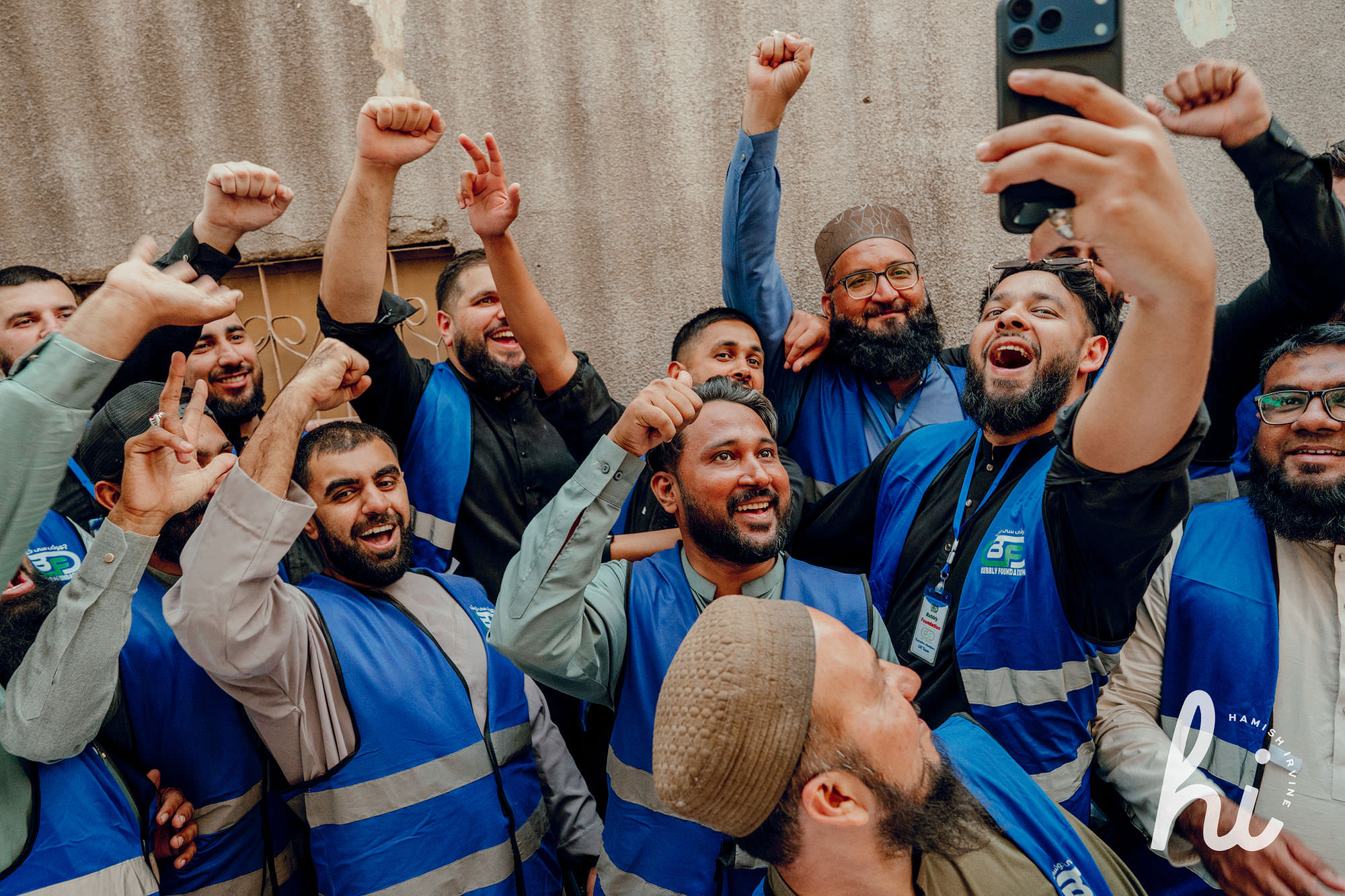
BEHIND THE SCENES
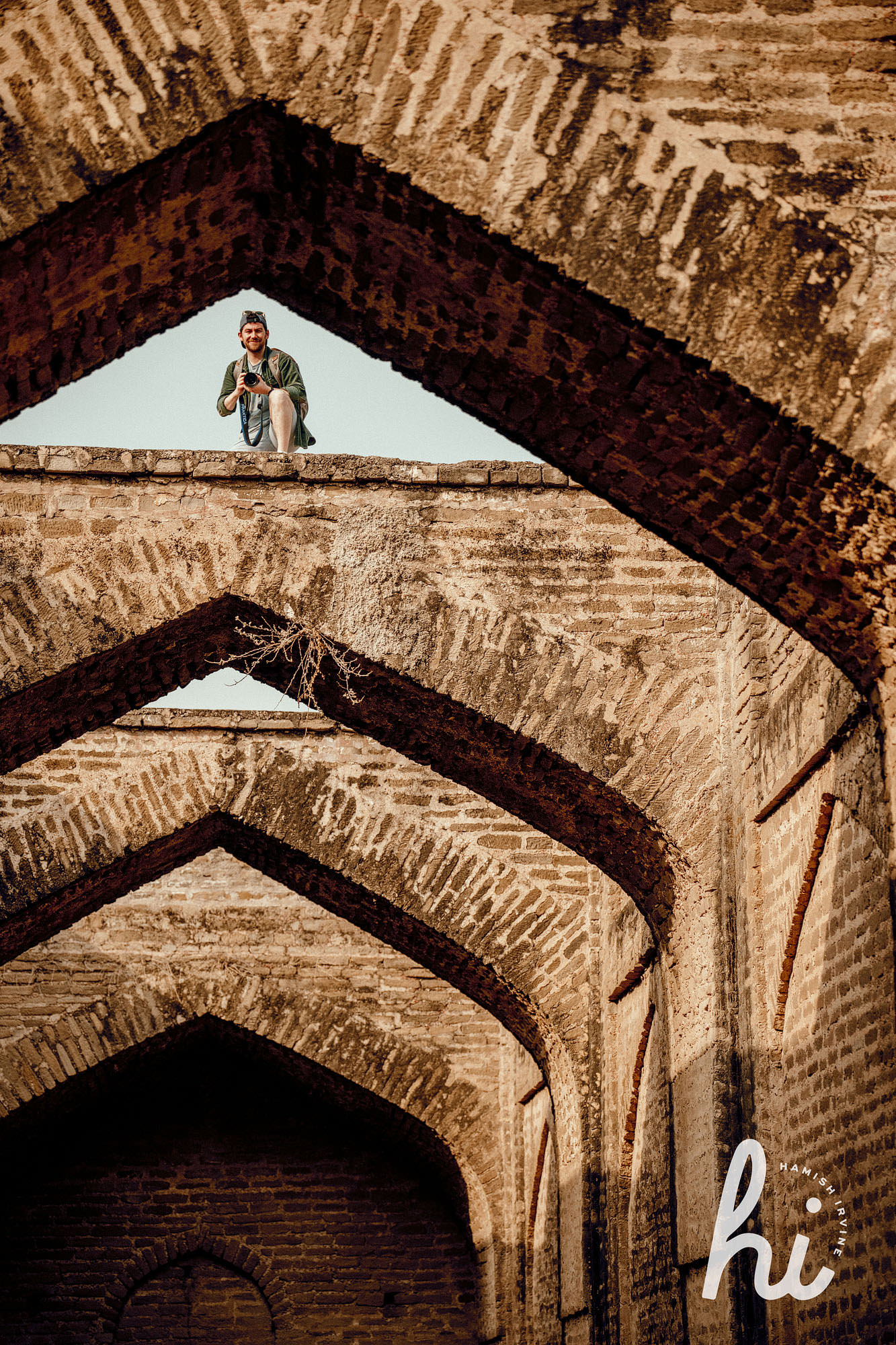
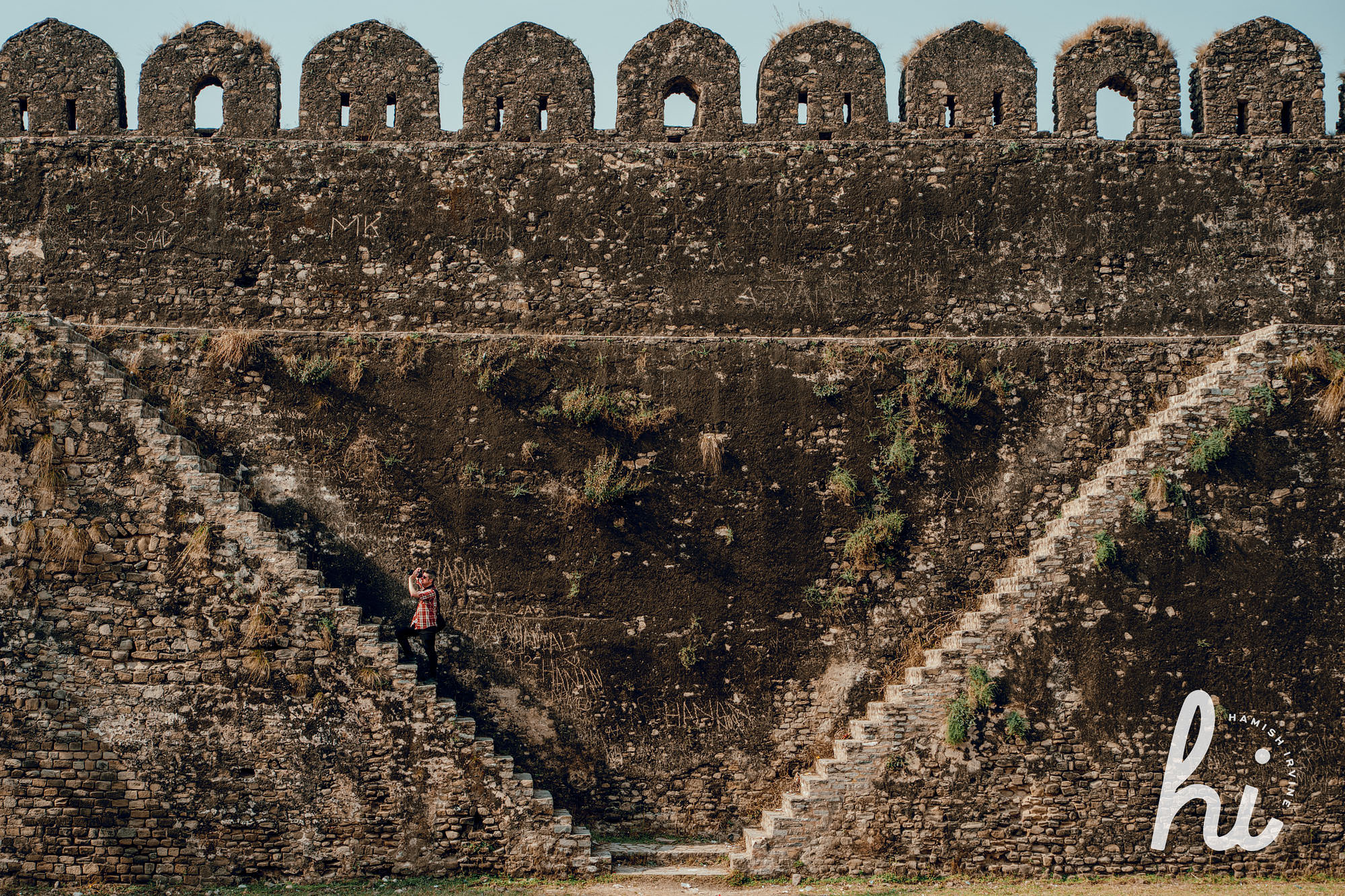
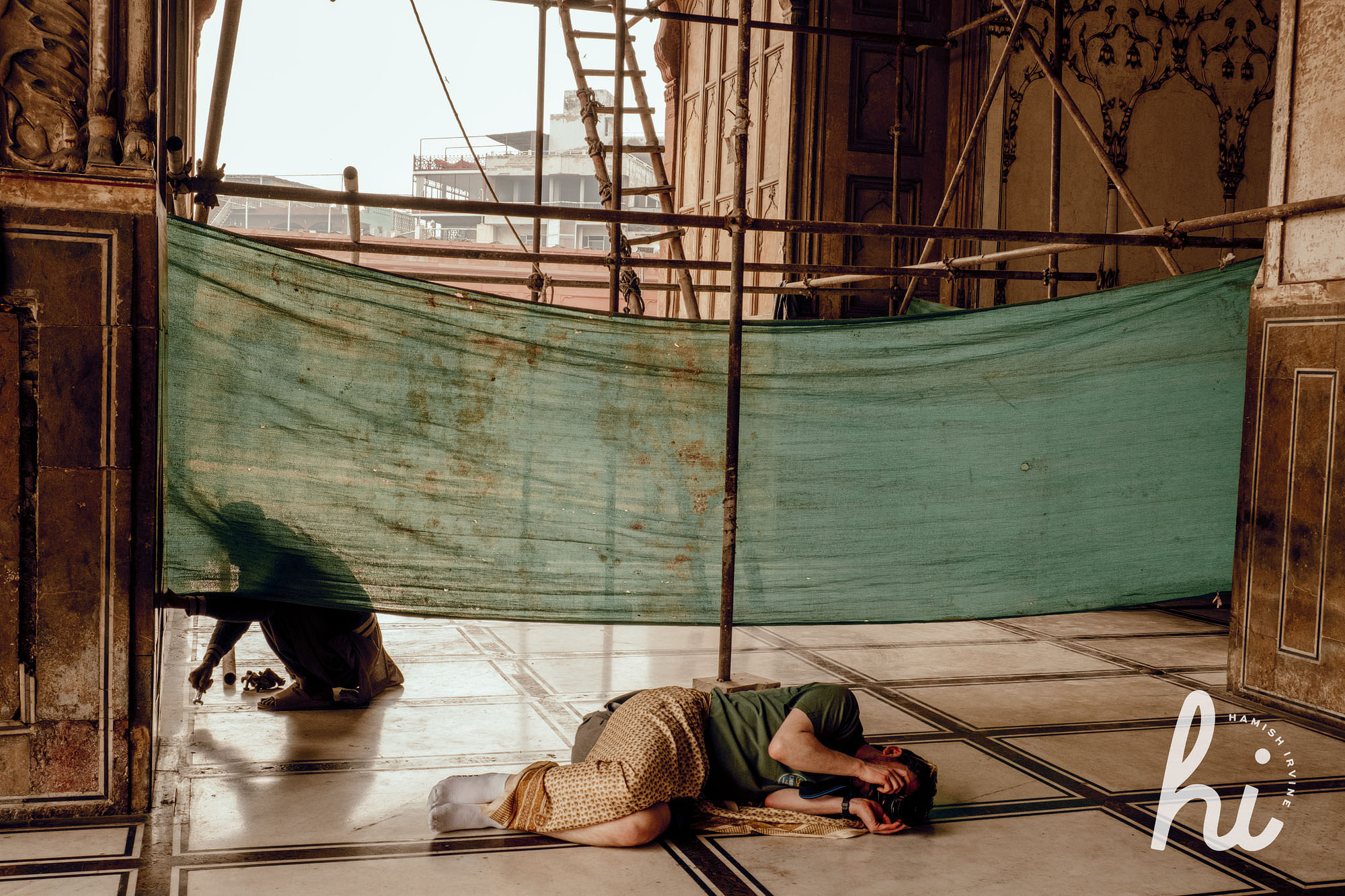
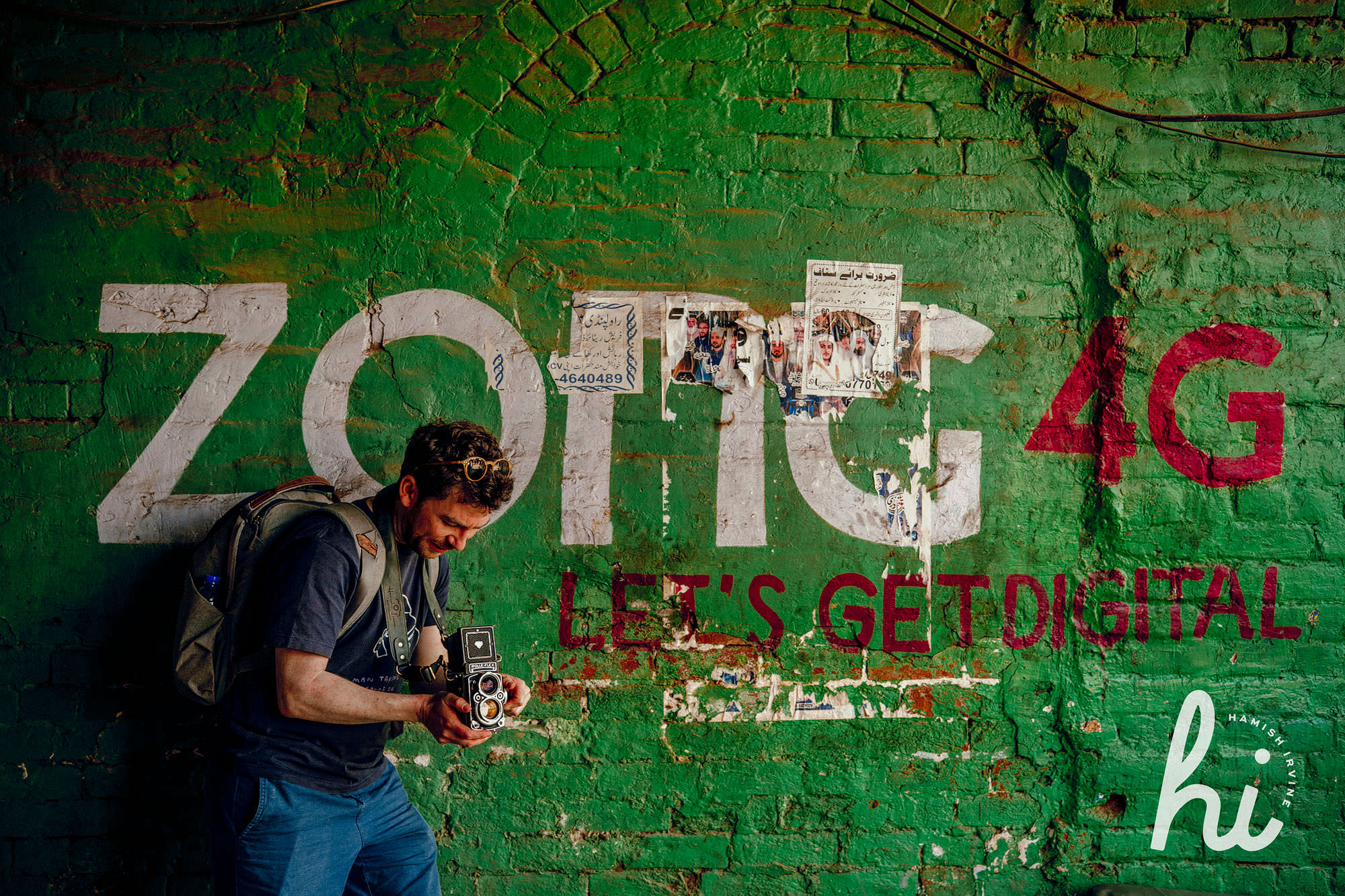
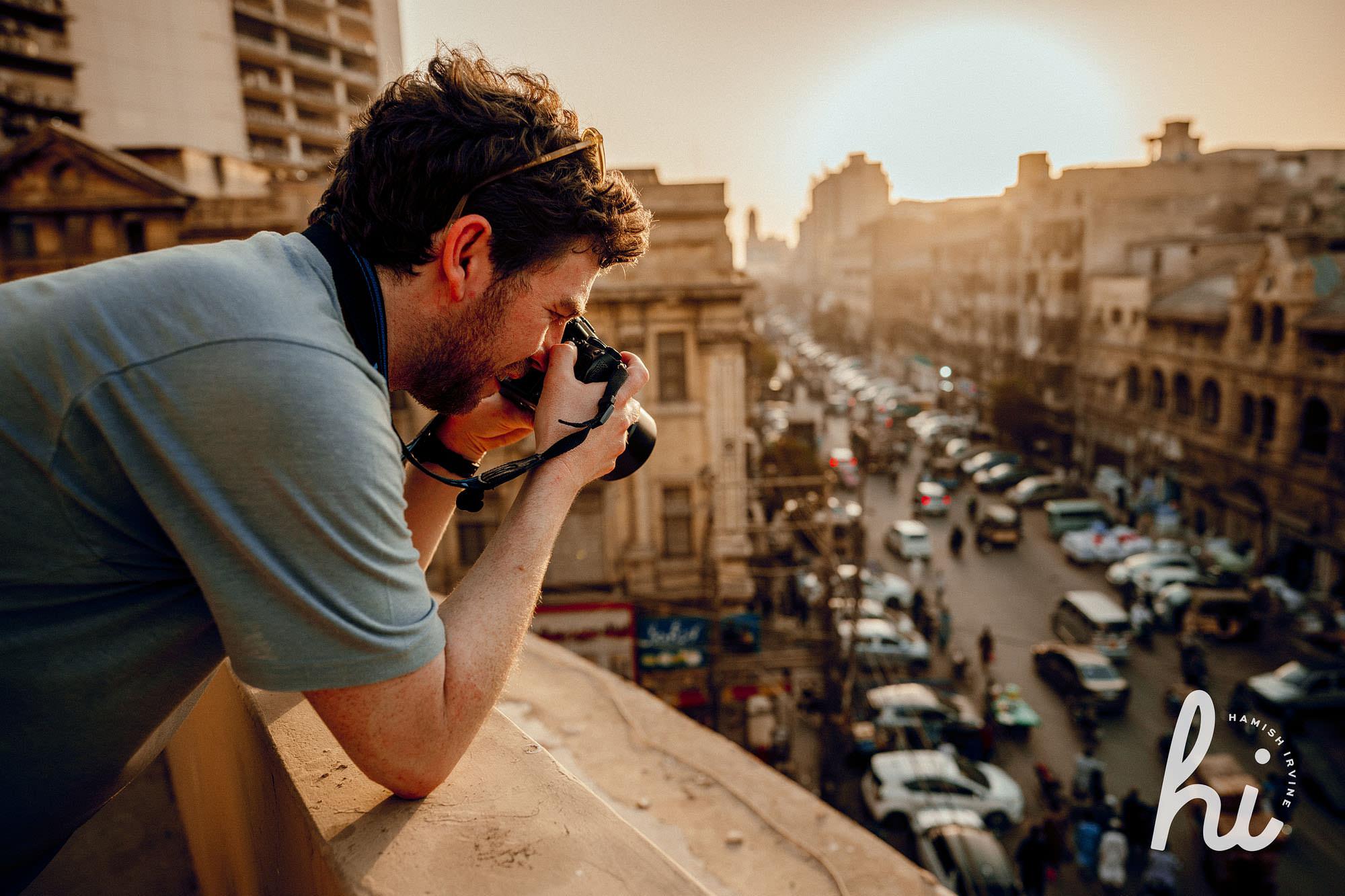
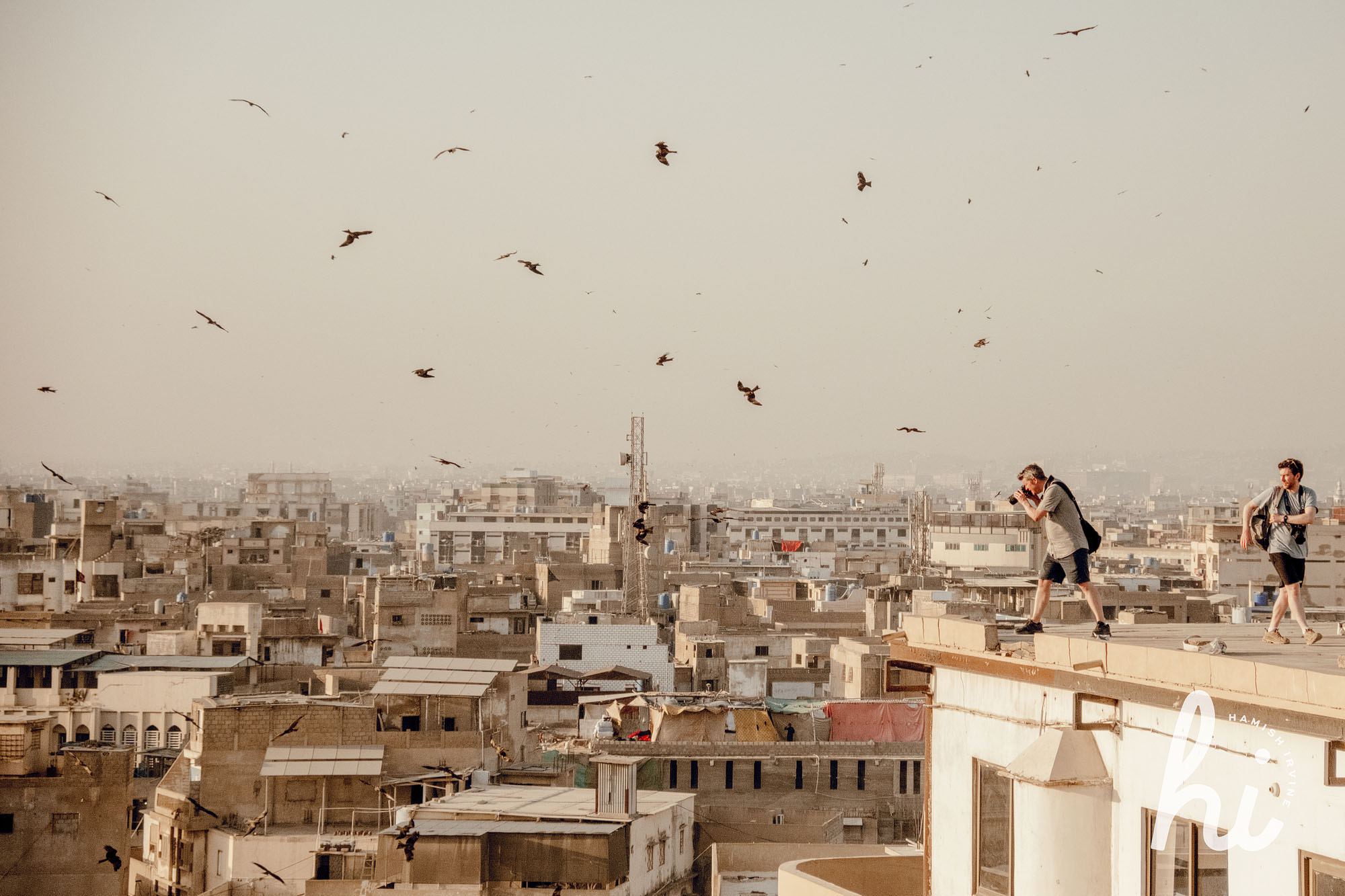
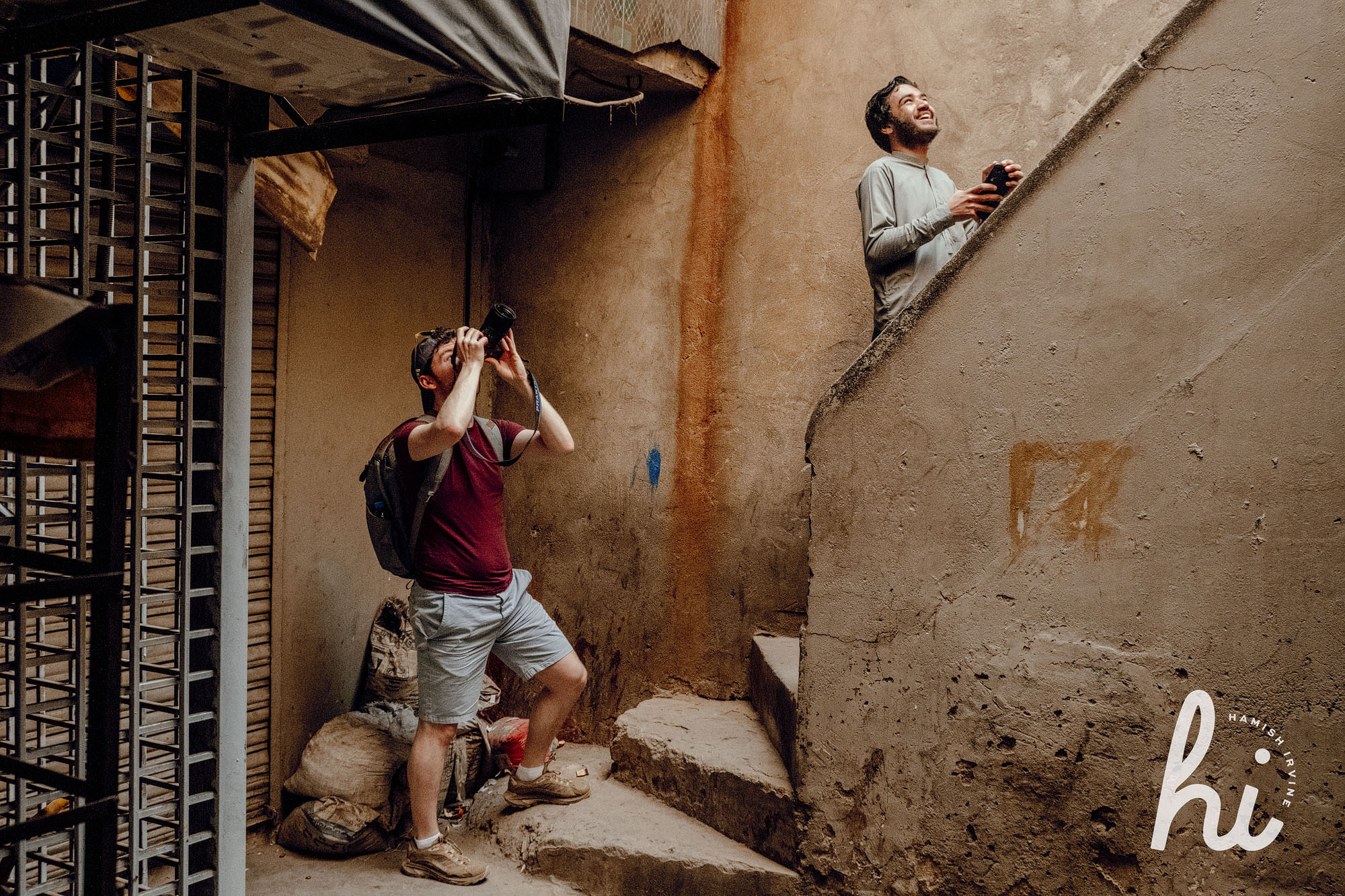
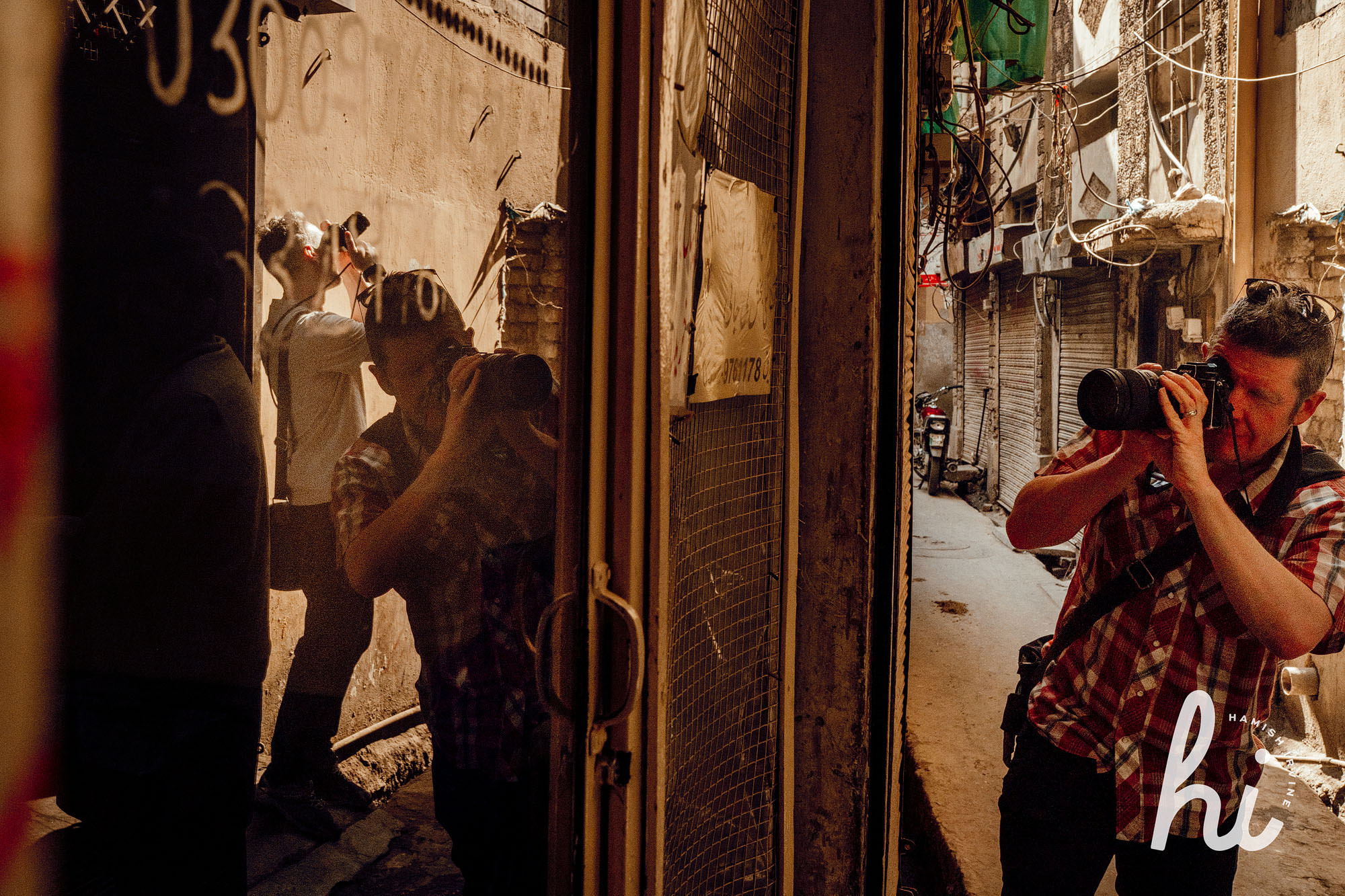
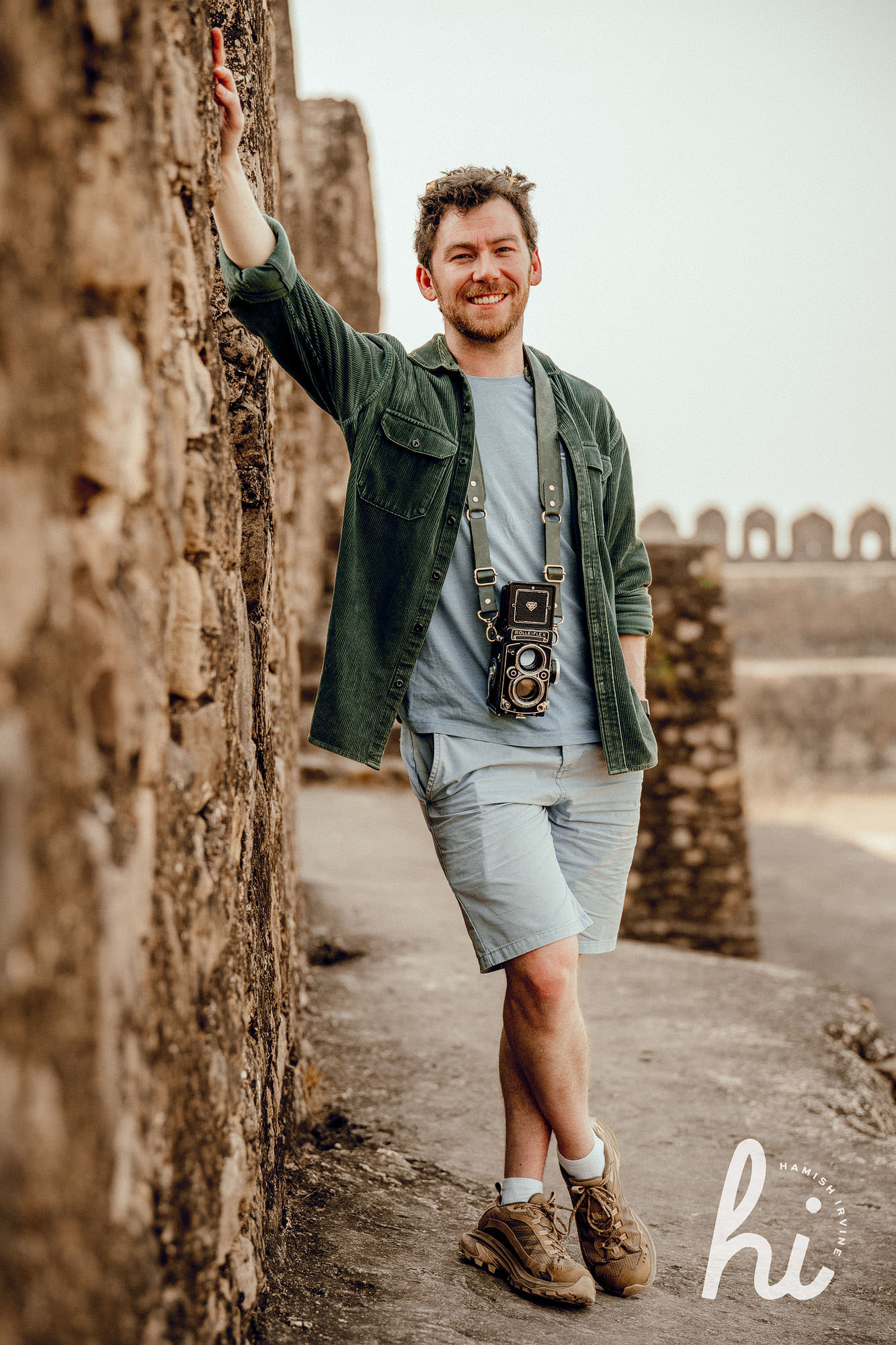
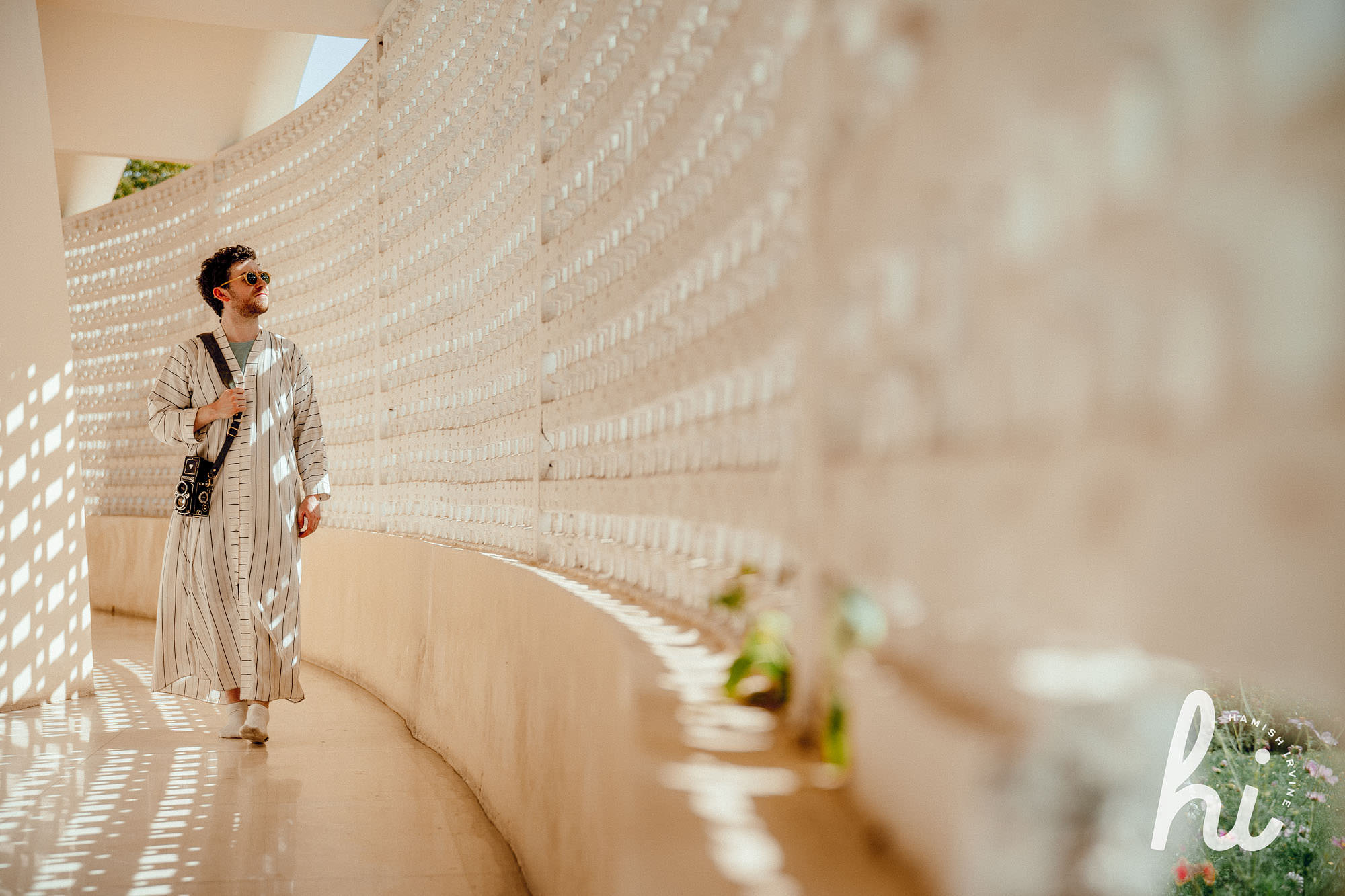
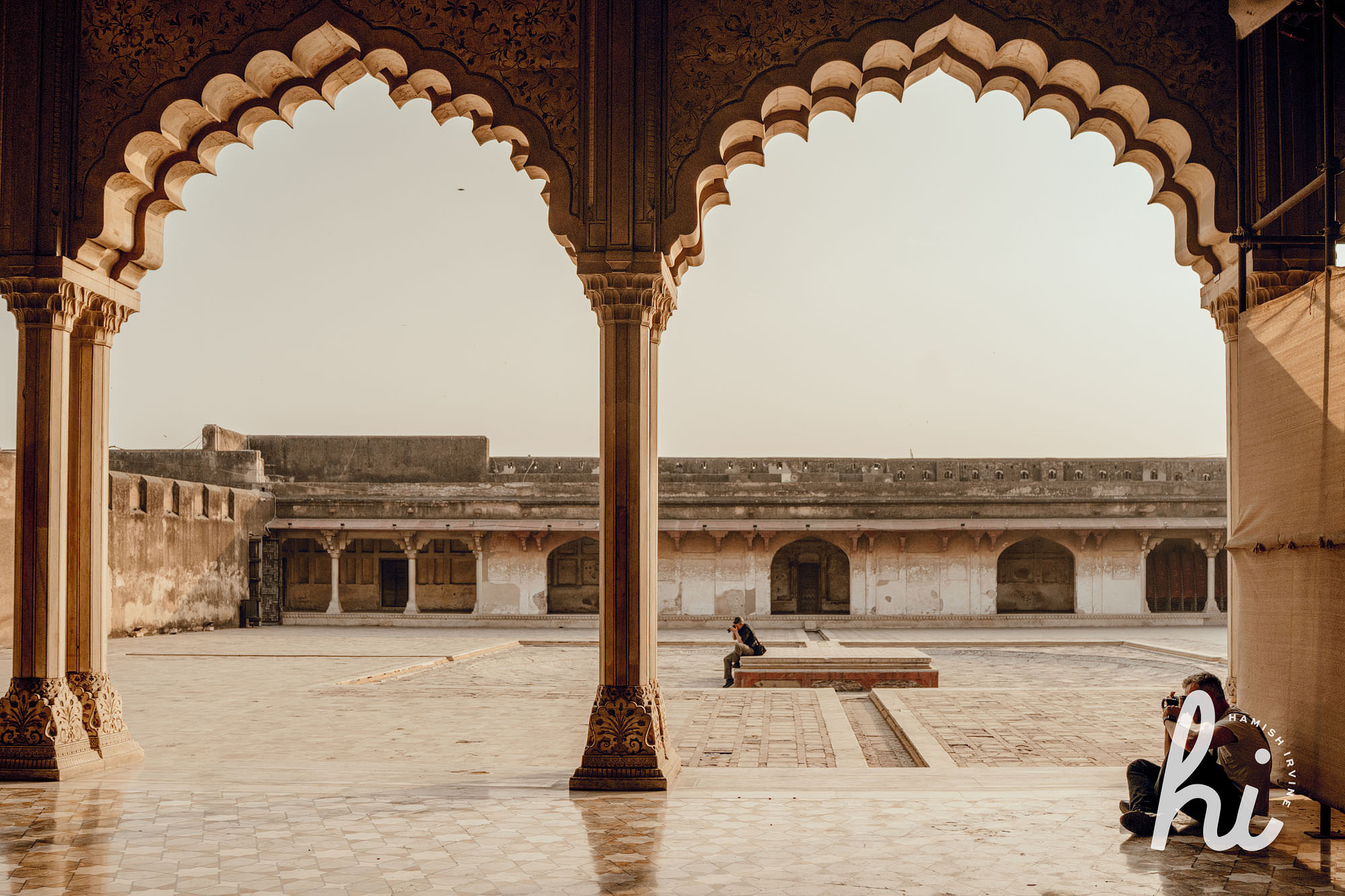
A selection taken my myself, Barnaby Aldrick and Kristian Leven in our street photography trip to Pakistan